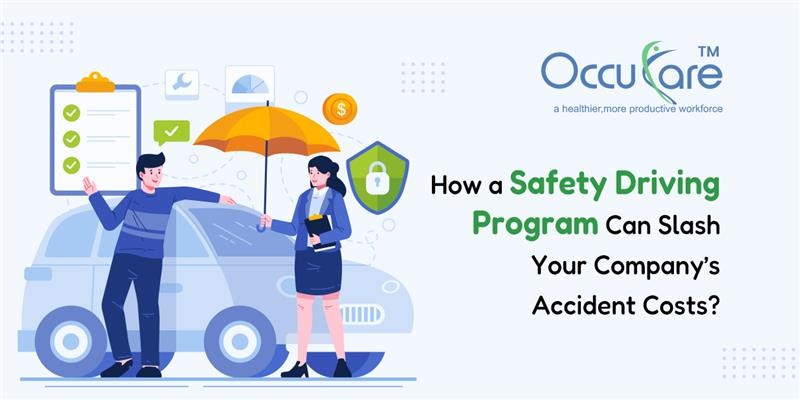
When companies look for ways to reduce expenses, they typically focus on improving operations, reducing waste, or negotiating better supplier contracts. What they often fail to recognize is that vehicle-related accidents can be one of the biggest and most silent financial drains. These incidents may seem like isolated events, but they collectively cost businesses thousands or even hundreds of thousands of dollars every year. Surprisingly, many of these incidents are not caused by unpredictable factors but by preventable behaviors that a strong Safety Driving Program can significantly reduce. Once leaders understand the financial losses caused by unsafe driving habits, investing in defensive driving training becomes an obvious and strategic decision.
Most businesses only consider the direct costs of an accident, such as repair bills, insurance deductibles, medical expenses, and property damage. However, real financial damage often comes from indirect costs that appear long after the incident. Downtime, disrupted schedules, administrative hours spent on insurance paperwork, increased premiums, and customer dissatisfaction from delayed services all contribute to a much larger financial hit. Studies consistently show that these indirect costs are often three to five times higher than the visible repair expenses, making even minor accidents surprisingly expensive for the organization.
How Safety Programs Transform Driving Behavior and Reduce Costs?
One of the most immediate benefits of a Driver Safety Program is a noticeable improvement in driving behavior. Even experienced employees may develop risky habits over time due to deadlines, heavy traffic, or fatigue. Common issues such as speeding, harsh braking, following too closely, or momentary distractions are among the leading causes of preventable accidents. Road safety awareness training retrains drivers to think more defensively and respond more cautiously. As awareness increases, accident rates typically drop by 20 to 40 percent within the first year alone, creating an immediate reduction in overall accident-related expenses.
Improved driving behavior also has a direct and positive impact on insurance costs. Insurance providers reward lower-risk behavior with reduced premiums, and companies that maintain training records, implement telematics, or follow clear safety protocols often receive more favorable renewal rates. Many organizations have experienced substantial savings—sometimes in the five-figure range—within just one insurance cycle. These financial benefits apply not only to large fleets but also to small and midsize businesses that adopt even basic driver safety measures.
Reducing Downtime, Wear and Tear, and Legal Risks
Aggressive driving doesn’t only cause accidents—it silently increases wear and tear on vehicles. Hard braking deteriorates brake pads faster, sharp turns and speeding damage to suspension and tires, and inconsistent acceleration increases fuel consumption. When drivers adopt safer habits, fuel efficiency improves, vehicles last longer, and maintenance costs decrease. For companies operating multiple vehicles, these savings accumulate steadily throughout the year without requiring additional effort once good habits are established. Implementing Workplace Safety Software can further support these improvements by monitoring driving behavior, tracking compliance, and providing actionable insights to maintain a safer fleet.
Fewer accidents also mean fewer disruptions to operations. A vehicle in the workshop can lead to rescheduled service calls, delayed deliveries, or sudden workload shifts among employees. This affects productivity and can also damage customer relationships. A well-implemented safety program reduces these interruptions, helping the business maintain smooth operations and consistent service quality. Clear safety standards, documented training, and proactive risk management practices help safeguard the company during audits or legal proceedings and significantly reduce the likelihood of severe incidents.
To highlight this clearly, here are some key downtime-related losses a safety program helps prevent:
- Service delays or missed appointments
- Sudden workload shifts among drivers
- Customer complaints and reputational damage
Creating a Consistent and Effective Safety Driving Program
A Safety Driving Program doesn’t need to be complicated or expensive to be effective. The most important factor is consistency. Companies typically start by establishing clear written safety rules that outline expectations concerning speed, distraction, fatigue, and vehicle inspections. From there, they include either online or in-person training sessions to reinforce the principles of defensive driving.
Many businesses now incorporate telematics or dashcam systems to monitor driving behavior. These tools are used not for punishment but for coaching and preventing incidents. Over time, data insights help managers identify trends, recognize strong performers, and offer targeted support where needed. This balanced, supportive approach helps create a long-term culture of safe and responsible driving.
To summarize the essential elements of an effective program:
- Clear and consistent safety guidelines
- Regular training for all drivers
- Use of telematics for coaching and monitoring
Conclusion:
Investing in a structured Safety Driving Program is more than just protecting employees—it’s a smart financial strategy. By reducing accidents, lowering insurance premiums, minimizing vehicle wear and tear, and preventing operational downtime, businesses can save significantly while improving overall efficiency. With OccuCare’s Safety Management Software, you gain real-time insights into driver behavior, track compliance, and manage risks proactively. This enables data-driven decisions that enhance safety, cut costs, and maintain a strong company reputation.
Contact OccuCare today for a free demo and see how our Safety Software can help your business create a safer, more efficient driving culture.