Investing in employee health is no longer optional—it’s a critical driver of organizational success. Forward-thinking companies recognize that offering preventive healthcare services helps reduce absenteeism, control healthcare costs, and enhance workforce productivity. Traditional occupational health programs often focus on responding to injuries or managing illnesses after they have occurred, leaving businesses vulnerable to preventable risks.
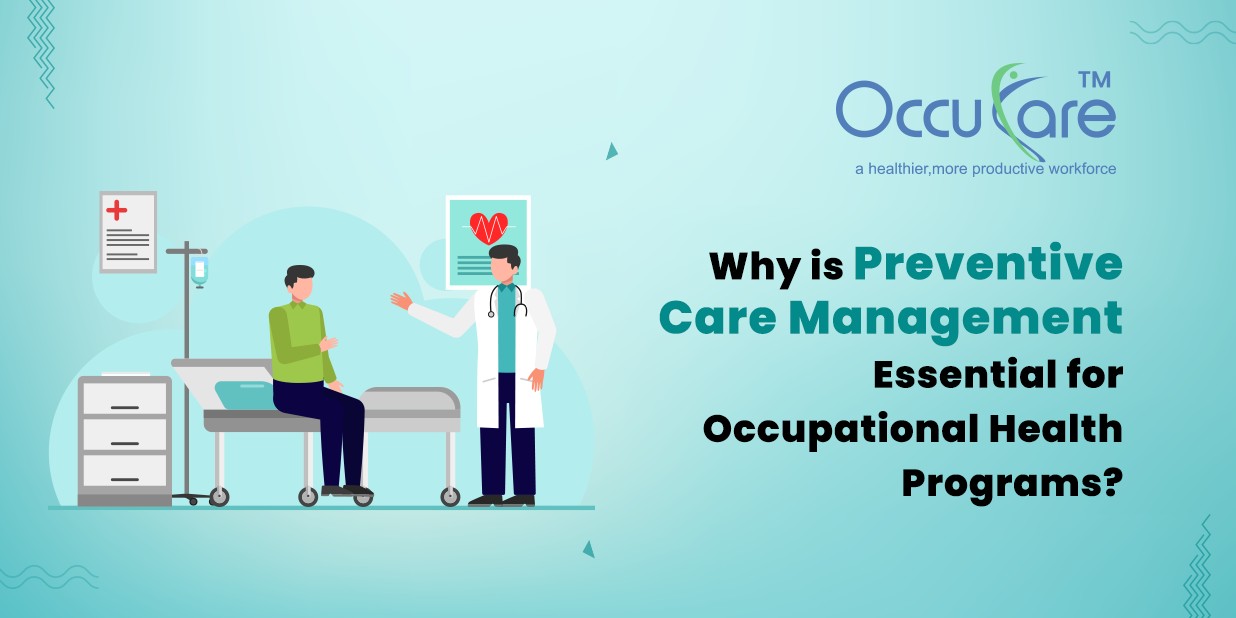
Preventive health management shifts the approach from a reactive to a proactive one. By monitoring employee well-being, identifying potential health risks early, and implementing proactive wellness initiatives, organizations can foster safer and more resilient workplaces. This approach not only safeguards employees but also strengthens operational efficiency and boosts overall performance.
At their core, preventive health programs involve strategies such as health screenings, risk assessments, workplace wellness programs, and targeted interventions aimed at minimizing injuries and chronic conditions. Companies that embrace these proactive measures cultivate a healthier, more engaged, and higher-performing workforce while positioning themselves for long-term success.
Growing Need for Preventive Health Management in the Workplace:
It has become more crucial in occupational health programs due to several factors:
1. Growing Healthcare Expenses:
Globally, healthcare costs are still rising. A large amount of these expenses is borne by employers through workers’ compensation, insurance premiums, and lost productivity.
2. A rise in long-term illnesses:
Among working populations, chronic illnesses like diabetes, hypertension, obesity, and musculoskeletal ailments are becoming more common. Early intervention and lifestyle modifications can help prevent or control many of these illnesses.
3. The Shifting Character of Work:
High-stress workplaces, remote work, and sedentary office occupations have created new health hazards, such as burnout, ergonomic problems, and mental health disorders.
Key Components of Preventive Healthcare Solutions in Occupational Health:
A complete occupational health program is created by integrating several components into an efficient preventative care management plan.
1. Health Risk Evaluations and Examinations:
Frequent health evaluations assist in identifying possible hazards before they become major conditions. These could consist of:
- Pre-employment and recurring health assessments
- Tests of hearing and vision
- Screenings for blood pressure, cholesterol, and glucose
- Tests of respiratory function for high-risk jobs
Early detection enables prompt action from healthcare providers and employers
2. Identification and Management of Workplace Hazards:
It encompasses occupational safety in addition to personal health. It is crucial to recognize and reduce ergonomic, chemical, biological, and physical risks.
Examples consist of:
- Monitoring air quality in industrial environments
- Evaluations of noise levels to avoid hearing loss
- Risk assessments and safety audits
Injuries and long-term health problems are reduced when job dangers are reduced.
3. Wellness and Health Promotion Initiatives:
Employee adoption of healthy lifestyles is encouraged by health promotion programs. These initiatives could consist of:
- Initiatives for fitness and physical activity
- Healthy eating initiatives and nutrition advice
- Support for quitting smoking
- Sessions of mindfulness and stress reduction
Wellness initiatives improve employee morale and engagement in addition to preventing illness.
An essential component of managing preventive care is mental health. Stress, anxiety, and depression at work can have a big influence on safety and productivity.
Among the preventive tactics are
- Programs for employee assistance (EAPs)
- Training in stress management
- Initiatives for work-life balance
- Early detection of hazards to mental health and burnout
Encouraging mental health enhances company culture generally and lowers absenteeism.
Benefits of Preventive Care Management for Occupational Health Programs:
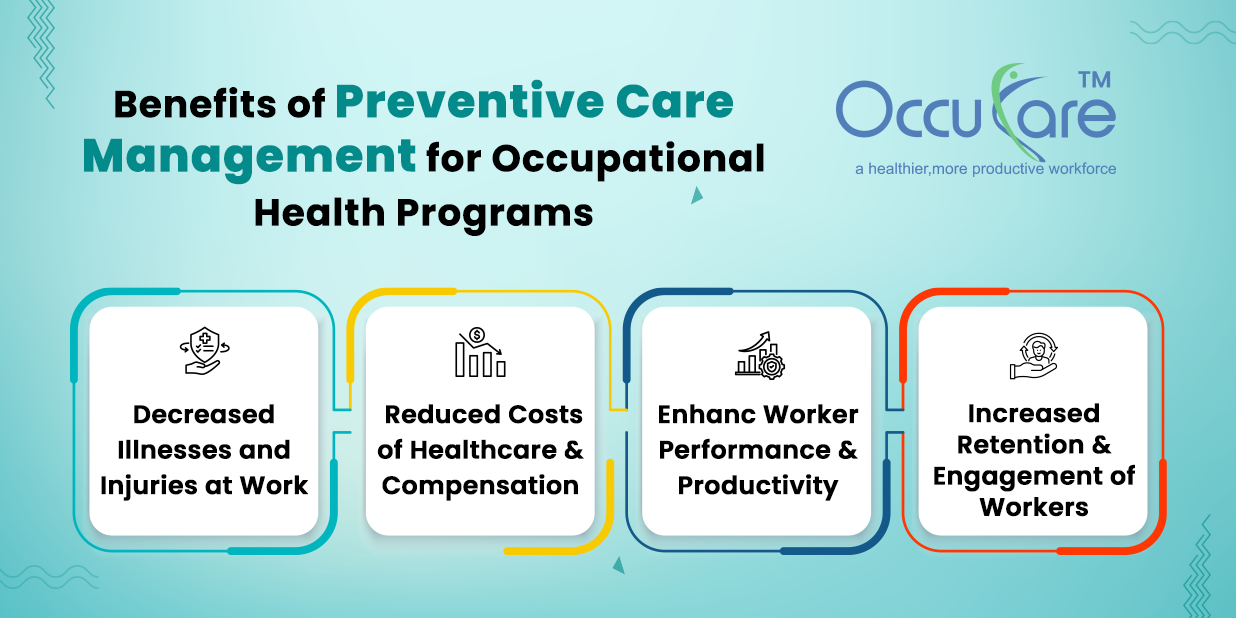
Implementing preventive care management delivers significant benefits for both employees and organizations.
- Decreased Illnesses and Injuries at Work: Organizations can drastically lower the frequency of occupational diseases and injuries by recognizing hazards early and putting preventive measures in place. Reduced compensation claims and safer workplaces result from fewer accidents.
- Reduced Costs of Healthcare and Compensation: Hospital stays, costly treatments, and long-term disability claims are all decreased with early management. Lower workers’ compensation costs and insurance premiums are advantageous to organizations.
- Enhanced Worker Performance and Productivity: Employees in good health are more motivated, attentive, and effective. Preventive treatment lowers fatigue-related errors, presenteeism (working when ill), and absenteeism.
- Increased Retention and Engagement of Workers: Job satisfaction rises when workers believe their company actually cares about their health and well-being.
Challenges in Implementing Preventive Care Management:
Implementing preventative care management in occupational health programs can be difficult, despite its advantages.
- Limited Knowledge and Involvement: Workers may be reluctant to engage or may not completely comprehend the benefits of preventative treatment. Effective communication and education are crucial.
- Initial Outlay of Funds: Investing in screenings, wellness programs, and professional knowledge up front is necessary for preventive programs. Nonetheless, long-term ROI frequently exceeds the initial expenditures.
- Need for a Diverse Workforce: Customized preventative methods are needed for various employment categories, age groups, and health profiles. Approaches that are one-size-fits-all might not work.
- Data Confidentiality and Privacy: Strict respect for ethical norms and privacy laws is necessary while managing employee health data. The success of a program depends on trust.
Summarization:
Investing in employee health through preventive healthcare services is a strategic move that benefits both your workforce and your bottom line. Proactive health management helps reduce workplace injuries, control healthcare costs, and improve productivity, creating a safer and more resilient organization. At OccuCare, we tailor occupational health programs to meet the unique needs of your business while prioritizing employee well-being.
Act now to build a healthier, more engaged workforce. Contact us for a free demo and discover how our solutions can enhance safety, boost performance, and deliver measurable results for your organization.