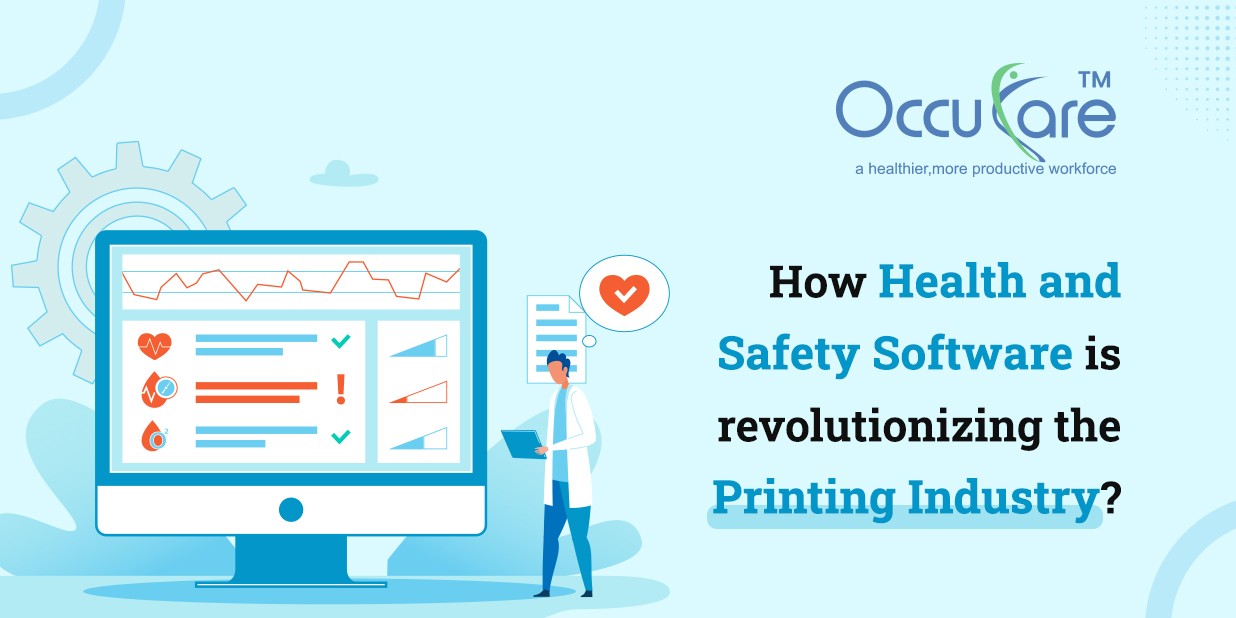
The incorporation of health and safety software is causing a revolutionary wave in the printing industry, which is one of the industries being reshaped by technology breakthroughs in this era. Along with improving worker safety, this creative method also ensures compliance, streamlines operations, and promotes an aggressive safety culture. Let’s examine how the printing business is being revolutionized by health and safety software. The printing industry is one of several sectors going through radical transformation in this age of technological advancements. The introduction of safety and health software has brought about a paradigm shift in the way printing companies conduct business. In addition to putting worker safety first, this creative strategy promotes compliance, operational effectiveness, and a safety culture.
1. Risk Evaluation and Mitigation:
Printing firms can perform thorough risk evaluations thanks to health and safety software for the printing industry. Businesses can reduce workplace accidents and injuries by proactively implementing ways to limit risks by identifying possible hazards.
2. Compliance Management:
The printing sector places a high premium on adhering to health and safety laws. Safety and health software offers capabilities for reporting, auditing, and documenting, which makes compliance management easier. In addition to preventing legal issues and promoting a responsible business climate, this guarantees that printing enterprises follow industry standards.
3. Education and Training:
The software makes it easier to create and oversee employee training initiatives. Printing companies may greatly improve workplace safety and lower the chance of accidents by making sure that the crew is knowledgeable on safety rules, emergency procedures, and correct equipment usage.
4. Accident Reporting and Investigation:
To stop similar incidents in the future, effective mechanisms for reporting and investigating incidents are essential. By streamlining these processes, this software helps businesses to quickly identify the source of problems, take corrective action, and foster a continuous improvement culture.
5. Real-time Monitoring:
Printing companies can continuously monitor safety data thanks to the real-time monitoring tools included in safety and health software. This proactive strategy contributes to a better and more secure work environment by seeing any problems before they become serious.
6. Audit and Inspections:
Software solutions make the procedures of auditing and inspecting easier by offering features like automatic scheduling, reporting, and checklists. Frequent inspections guarantee that printing facilities follow safety regulations, making the workplace safer.
7. Disaster Planning:
The creation and upkeep of thorough emergency response plans depend heavily on health & safety software. Procedures for dealing with fires, chemical spills, and other crises ensure that workers are ready to handle unanticipated situations, which lessens the effect on staff and operations.
8. Data Analysis for Continuous Improvement:
Health and safety software offers important insights into trends and opportunities for improvement through data collection and analysis. The success and sustainability of printing companies are enhanced by the ongoing improvement of safety measures and processes made possible by this data-driven approach.
The introduction of safety and health software represents a radical shift in the printing business, not just a technical advancement. These creative solutions not only protect the workers but also open the door to a future that is safer, more efficient, and compliant. The printing sector is leading the way in a new era by embracing these developments and redefining expectations and norms.