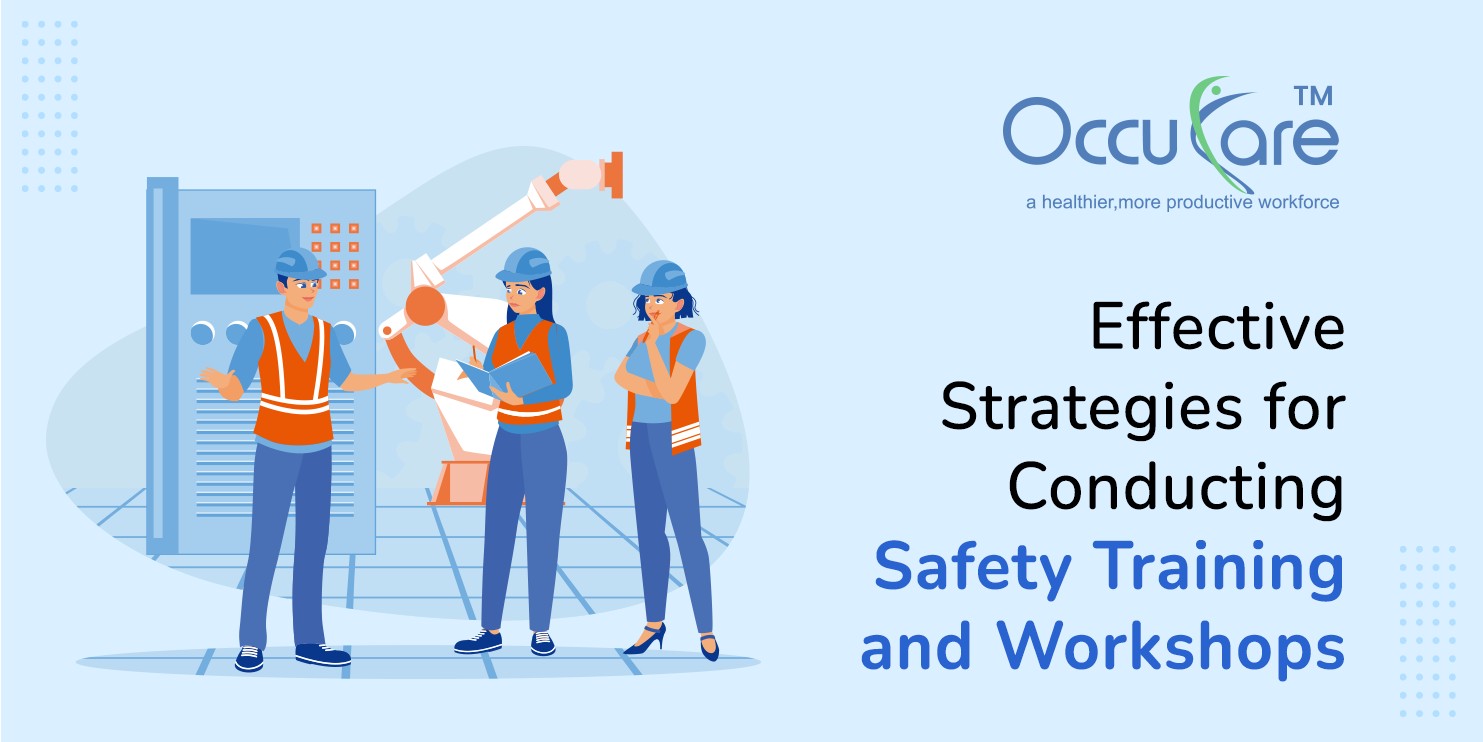
Maintaining safety is crucial in the rapid-fire, variable work situations of today. Every worker deserves faith in their safety regardless of the kind of workplace—factory, construction site, office, etc. To do this, safety procedures must be put in place, and staff members must be properly trained on them. We’ll discuss different approaches for holding educational and entertaining safety training classes here.
1. Understanding the needs of the audience:
Identifying the target audience is a must before delivering training stuff. Certain departments or teams may have particular safety issues. Relevance and engagement are enhanced when the training is tailored to address potential risks relevant to each group. Integrating Workplace Safety Management Software can streamline this process, ensuring that training materials are readily accessible, customized to specific needs, and effectively tracked for compliance and effectiveness. Additionally, utilizing Workplace Safety Software can facilitate ongoing monitoring and improvement of safety protocols, creating a safer work environment overall.
2. Interactive Learning Methods:
It’s likely that interactive methods of learning beat passive learning approaches like lectures or demonstrations. Encourage active participation via group discussions, practical training, and role-playing exercises. This creates a collaborative and problem-solving culture in addition to promoting learning. Integrating the Workplace Safety Management System into these interactive sessions can enhance engagement and provide real-time feedback on individual and group progress, ensuring that all participants are actively involved in the learning process.
3. Real Life Scenarios:
Integrating situations from real life into training sessions facilitates the connection between basic knowledge and practical applications for employees. Very effective teaching tools include retelling historical events (while maintaining confidentiality) and discussing how they might have been avoided using Workplace Safety Software. By incorporating real-life scenarios into training sessions, employees can better understand the relevance of safety procedures and how to apply them in their daily work environments.
4. Visual Aids and Multimedia:
Use illustrations to enhance spoken explanations, such as infographics, motion pictures, and animations. The use of visuals makes complicated topics easier for workers to comprehend and is especially helpful for workers with different learning styles. OccuCare Safety Software can also facilitate the creation and distribution of multimedia training materials, ensuring that all employees have access to engaging and informative content.
5. Role Playing Exercises:
Through role-playing exercises, staff members can assume various roles and act through different safety situations. This practical methodology fosters critical thinking and teaches team members the value of every individual’s contribution to safety measures. Workplace Safety Management Software can facilitate the organization and documentation of role-playing exercises, allowing for easy evaluation and feedback to improve safety practices.
6. Continues Reinforcement:
Safety instruction ought to be ongoing. Hold frequent refresher training sessions to review fundamental concepts and inform your employees of any updates to safety guidelines or rules. This keeps precautionary measures at the forefront of mind and raises awareness. Integrating Employee Safety Management Software into these reinforcement efforts can streamline the process, providing employees with easy access to updated training materials and tracking their progress over time to ensure ongoing compliance and improvement.
7. Incorporating Technology:
Adopt technology to increase the efficacy of your training. Training may be more accessible and engaging with the help of mobile apps, virtual reality simulations, and interactive e-learning courses. This is especially true for distributed or remote teams. Leveraging Wa orkplace Safety System can facilitate the implementation of technology-driven training initiatives, ensuring that all employees, regardless of their location, have access to effective safety training resources.
8. Feedback and Evaluation:
For an assessment of the effectiveness of training sessions, encourage participant input. Focus groups and post-training surveys may produce insightful information about what went well and what still needs to be improved. Make ongoing modifications and improvements to future training programs based on this feedback.
9. Leadership Support and Involvement:
To promote a culture that encourages security inside a business, leadership support is essential. Leaders who actively take part in safety training sessions and emphasize the important role of safety convey to staff members the organization’s profound dedication to their welfare. Employee Safety Software can help leaders track participation and engagement in safety training initiatives, providing them with valuable insights to further demonstrate their commitment to safety.
A key component of any successful safety training program is being aware of the requirements and difficulties your audience faces. Every workplace is unique, posing unique risks and dangers. It is possible to greatly increase the relevance and resonance of training material by customizing it to meet issues that are pertinent to various teams or departments. For example, workplace-based safety training can highlight ergonomic workstation configurations and emergency evacuation protocols, whereas manufacturing facility safety training might concentrate on machine safety and ergonomics. Integrating OccuCare Software into the customization process can help organizations efficiently tailor training materials to address specific workplace hazards and ensure that all employees receive targeted and relevant safety training.