Maintaining secure working conditions has become essential in today’s modern workplace. To achieve zero accidents, companies increasingly rely on innovative technologies like incident management software, applications and secure work environment.
1. Understanding Workplace Safety Software and Systems:
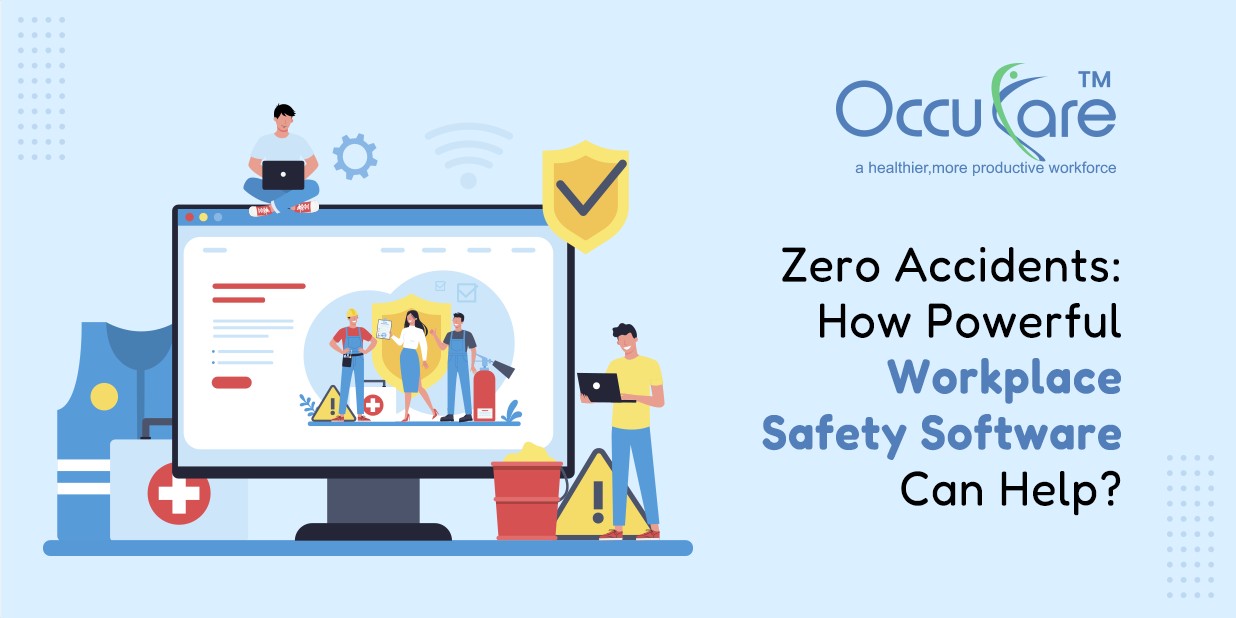
Workplace security software and infrastructure are fundamental components of modern safety management framework. These technologies include an assortment of features designed to make simpler risk assessments, incident reporting, safety procedures, and compliance monitoring. Important characteristics usually consist of:
A. Centralized Security Protocols:
By concentrating on safety protocols, the program guarantees homogeneity among numerous operating environments and sites.
B. Risk assessments:
Automated assessments of risks assist in locating potential hazards and setting prioritization for precautionary measures.
C. Incident Reporting:
Rapid identification and documenting of incidents in the workplace is made achievable by streamlined reporting of incidents procedures.
D. Compliance Administration:
Instruments for tracking legal compliance guarantee that security regulations are respected, and they additionally make audits easier.
By the implementation of Workplace Safety Software, entities can adopt an anticipatory approach towards safety management. Safety officers and supervisors may respond quickly to newly identified hazards and avert potential accidents with the use of real-time monitoring tools, customizable safety checklists, and automated event notifications.
2. Enhancing Incident Management with Advanced Software Solutions:
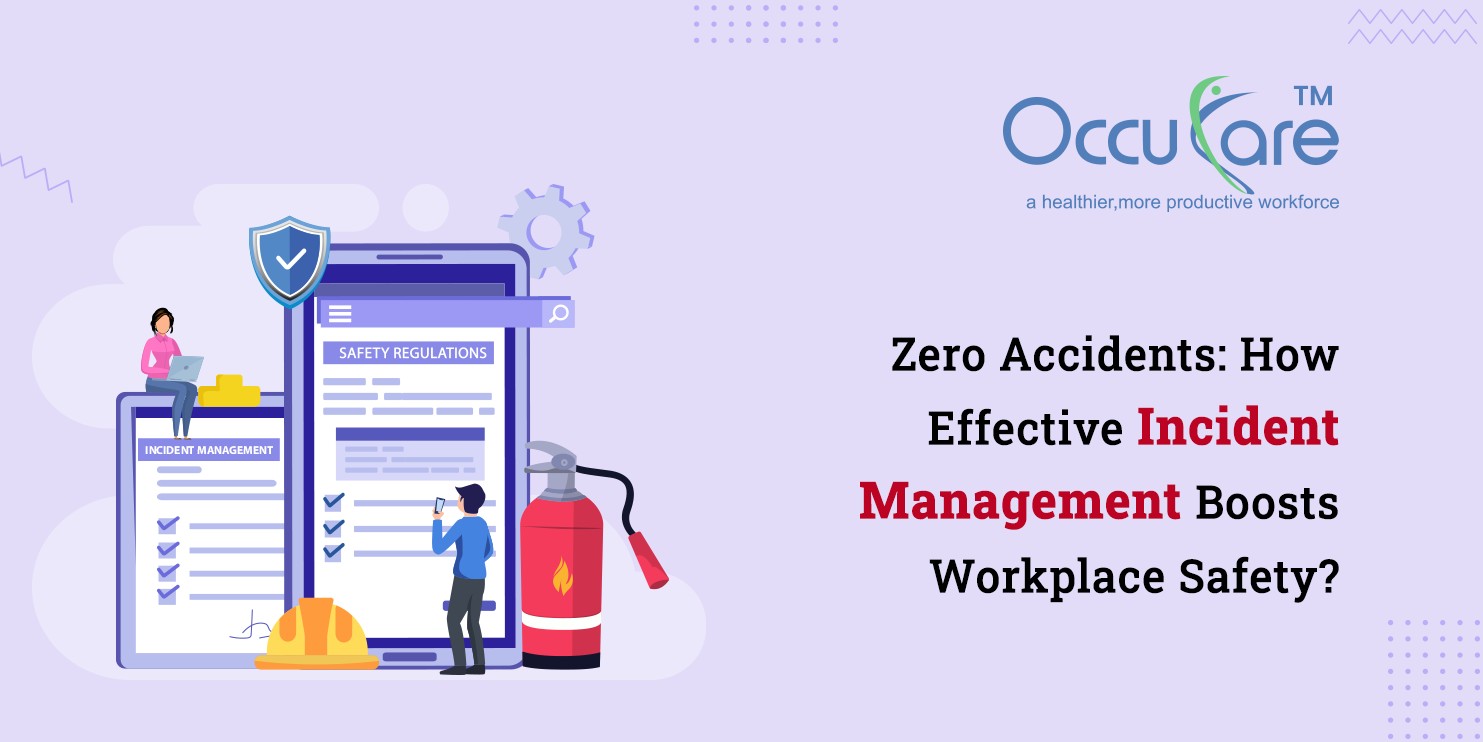
Workplace Safety Software enable organized incident reporting, comprehensive investigation workflows, and methodical corrective action execution. Important features include of:
A. Comprehensive Incident Reporting:
Data accuracy and completeness are ensured through standardized templates and user-friendly interfaces that streamline the reporting process.
B. Workflows for Guided Investigations:
By identifying the underlying causes and contributing variables of incidents, businesses can take focused corrective action.
C. Corrective Action Management:
Automated monitoring and tracking of corrective activities guarantee prompt resolution and stops incidents from happening again.
Real-time analytics yield meaningful insights into event trends, which enables firms to optimize resource allocation and safety policies.
Organizations can use incident management software to proactively identify areas where their safety standards must be improved and respond to accidents effectively.
3. Integrated Workplace Safety Systems (IWSS): A Holistic Approach
An Integrated Workplace Safety System (IWSS) is built on the combination of incident management and workplace safety software. This all-encompassing strategy promotes collaboration between various safety management divisions and processes, encouraging:
A. Interdepartmental Collaboration:
The overall efficacy of safety efforts is increased when supervisors, frontline staff, and safety officers work together seamlessly.
B. Transparency and Accountability:
Promote accountability and responsibility by ensuring clear visibility into employee safety protocols and incident management processes.
C. Continuous Improvement:
IWSS makes it easier to assess safety performance indicators against industry norms, monitor safety performance metrics continuously, and modify tactics in response to changing risk environments.
IWSS’s coherent design guarantees that safety precautions are not isolated but rather incorporated into daily operations and organizational culture. Organizations can increase overall operational resilience and achieve sustainable improvements in safety outcomes by implementing an integrated approach to workplace safety.
4. Striving towards Zero Accidents: Challenges and Solutions
Companies can take practical actions, supported by cutting-edge technology and industry best practices, to achieve zero accidents despite the challenge.
Leadership Commitment:
Showing a strong commitment to workplace safety at the top level through the implementation of policies, the distribution of resources, and ongoing improvement projects.
Organizations may gradually lower the frequency of workplace accidents and provide better working conditions for their employees by tackling these issues methodically and utilizing the capabilities of incident management and workplace safety software.
5. The Future of Workplace Safety: Innovations and Trends
Looking in advance, changing rules and regulations and developments in technology will influence workplace security in the future:
A. Artificial Intelligence (AI):
Predictive data analysis powered by Intelligence will let businesses anticipate safety issues and take proactive steps to mitigate problems.
B. Internet of Things (IoT):
Real-time data on workers’ behaviors and surrounding conditions will be provided by IoT-enabled devices and sensors, improving the capacity enabling safety monitoring and intervention.
C. Virtual and Augmented Reality (VR/AR):
By producing realistic simulations of dangerous situations and emergency protocols, VR/AR technologies will completely transform safety training.
D. Safety of Remote Workers:
As remote work becomes more common, it will be more important than ever to protect the security of remote workers through digital security regulations and virtual security assessments.
Conclusion:
In conclusion, achieving zero accidents requires a complex strategy incorporating cutting-edge technology such as incident management software, workplace safety systems and workplace safety software. These tools not only improve the efficacy and efficiency of security management, but they also help companies develop a security-conscious culture. In the current competitive business environment, companies can protect their most precious asset – their employees – while achieving sustainable growth and success by investing in these technologies and encouraging continuous improvement in security standards. For companies that value employee productivity and well-being, accepting the path towards zero accidents is not only a business necessity, it is also a moral duty.