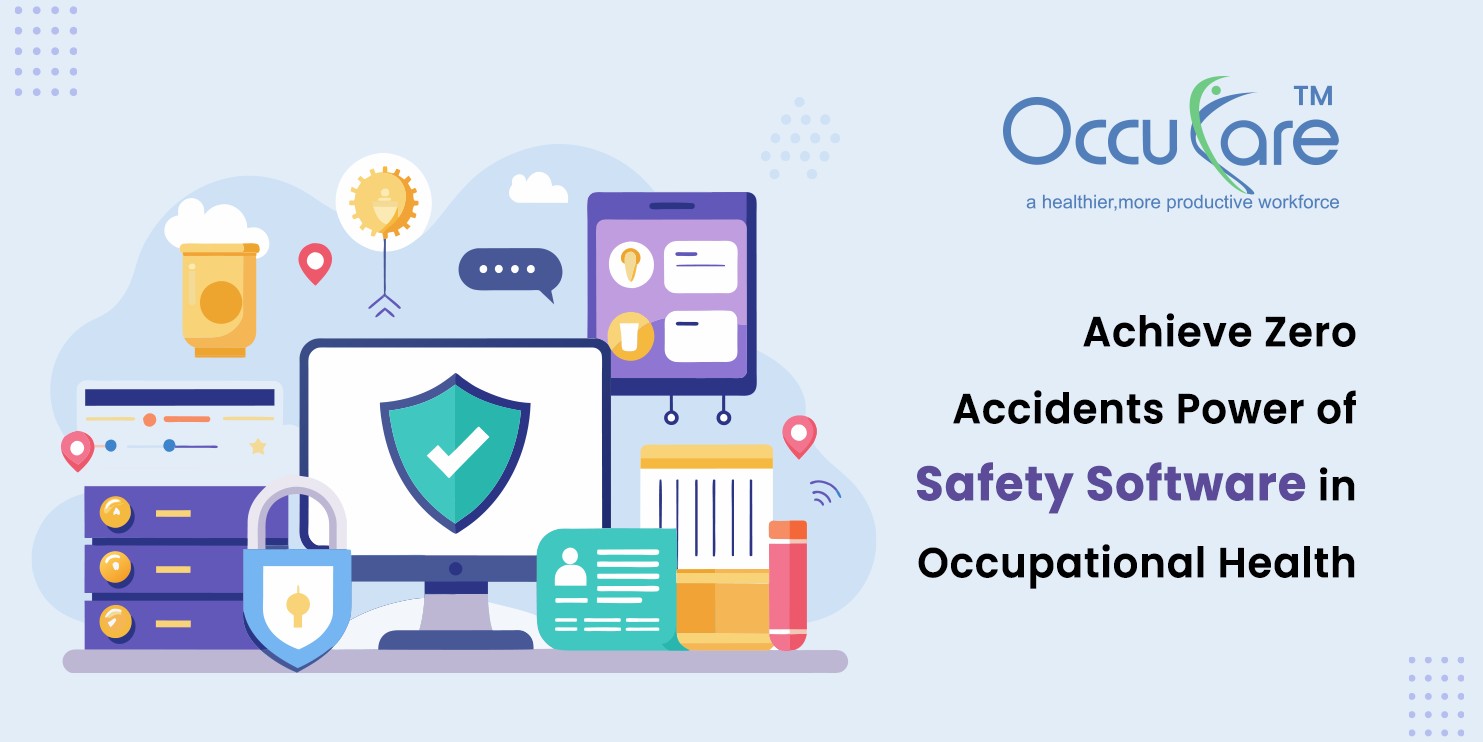
It may seem impossible to achieve zero accidents in the hectic work environments of today. But because of developments in safety software, it’s getting easier to achieve. With its ability to drastically lower the likelihood of incidents and enhance worker well-being, this technology is completely changing the way businesses approach workplace safety and health. We’ll look at how Safety Management Software can be essential to achieving the elusive goal of zero accidents in this blog.
1. Understanding the Role of Safety Software:
It’s critical to comprehend the scope of Safety Software to fully grasp its influence. A range of digital solutions intended to assist enterprises in managing and streamlining their safety procedures are together referred to as safety software. With the goal of improving safety and lowering workplace risks, these technologies include compliance tracking programs, hazard assessment software, and incident reporting systems.
2. Evolution of Safety Management Software:
The use of safety management software has significantly improved worker safety. In contrast to conventional techniques, which frequently depend on manual procedures and paper-based records, Safety Management System provides a fully digital solution. This program offers an all-encompassing method of monitoring workplace health and safety by combining multiple safety features into a single platform.
3. Key Features of Safety Management System Software:-
Safety Management System Software offers cutting-edge capabilities that improve safety procedures and compliance, taking safety management to the next level.
The following are some of the essential characteristics that make it indispensable for attaining zero accidents:
Incident Reporting and Tracking:
Employees can use the software to report incidents, near misses, and risks thanks to this functionality. The incident is then tracked by automated workflows from the time it is reported until it is resolved, guaranteeing that all required actions are taken to resolve the problem.
Risk Assessment Tools:
These resources support the identification of possible risks, assessment of their implications, and use of risk-reduction strategies.
Compliance Management:
Maintaining worker safety requires adherence to industry regulations. By reminding users to complete compliance activities and monitoring regulatory changes, safety management system software assists firms in staying compliant with legal obligations.
Training and Certification Tracking:
Obtaining appropriate training and certification for staff members is a crucial component of workplace safety. To make sure that all employees have the most recent certifications and training, Safety Management System Software keeps track of these documents.
Analytics and Reporting:
Organizations can use advanced analytics and reporting features to monitor the efficacy of safety initiatives, spot patterns in safety performance, and make data-driven choices.
4. Implementing Safety Software for Zero Accidents:-
Using Safety Software effectively necessitates a planned strategy. The following are important actions to think about while incorporating into your company:
Assess your Needs:
Consider the unique safety requirements and obstacles facing your company before selecting software. You can choose the program that best fits your needs and goals with the aid of this examination.
Choose the Right Solution:
When selecting your choice, consider elements like scalability, integration possibilities, and ease of use.
Train your Team:
To get the most rewards from the software, make sure everyone on your team is conversant with its features and functionalities.
Integrate with Existing Systems:
Integrate OccuCare Software with your current systems, such as HR or operational software, to minimize disruptions and guarantee a seamless transition. This connection facilitates process optimization and upholds uniformity throughout your company.
5. Benefits if Achieving Zero Accidents:
Achieving zero accidents is not just a safety objective; it also benefits organizations greatly. Companies that reach zero accidents can:
Enhance Employee Morale:
Job satisfaction and employee morale are increased in a safe work environment. Employee engagement and motivation are higher when they feel safe, which boosts output.
Reduce Costs:
Significant losses from accidents can include missed productivity, medical costs, and legal fees. Organizations can lower these expenses and increase their bottom line by reducing accidents.
Improve Reputation:
A company’s reputation is enhanced, and it might provide a competitive advantage if it has a great safety record. Businesses that put safety first have a higher chance of earning the trust and cooperation of their partners and clients.
Comply and Regulations:
Reaching zero accidents lowers the possibility of fines and legal problems by ensuring adherence to safety laws and standards.
Conclusion:
With the help of safety software, achieving the lofty but attainable objective of zero accidents is possible. Maintaining a zero-accident record will depend on keeping up with safety trends and constantly refining your safety system as technology develops. Accept the potential of safety technologies and be proactive in safeguarding the health and welfare of your employees. Since your employees are your most precious asset, a commitment to safety is a commitment to them.