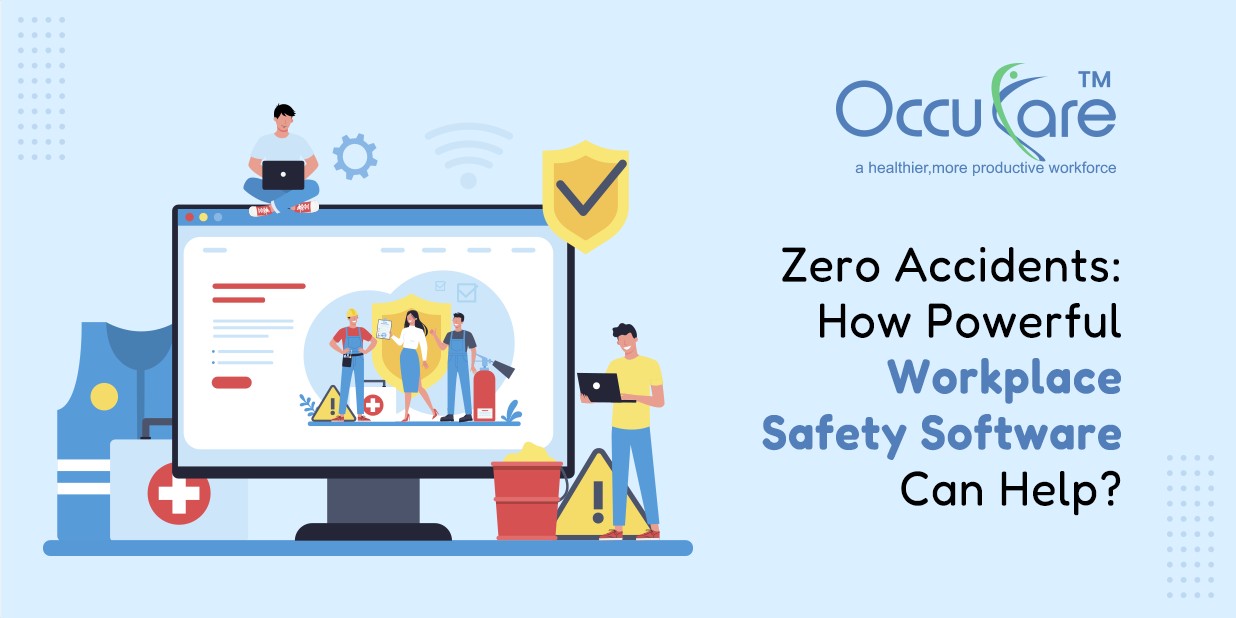
It is not only legally required but also morally necessary to prioritize employees’ safety and well-being in modern fast-paced and dynamic workplaces. The goal of zero accidents signifies a dedication to superior safety management. The use of strong workplace safety software is one of the most effective strategies for reaching this challenging objective. This blog delves further into the ways that this type of technology can improve workplace safety procedures and create a culture of security in many kinds of enterprises.
1. Evaluation and Control of Risks:
A sound foundation for safety management is risk assessment. Software for workplace safety makes it easier to discover, evaluate, and manage workplace risks methodically. The program guarantees that all potential risks are carefully assessed and that the necessary controls are put in place by centralizing this process. By taking a proactive stance, the possibility of accidents resulting from dangers that are missed is reduced.
2. Reporting and Investigating Incidents:
Accurate and timely incident reporting is essential to averting such mishaps. By giving staff members an easy-to-use interface to submit accidents quickly, workplace safety software expedites the incident reporting process.
3. Compliance and Safety Training:
To make sure that workers have the knowledge and abilities to do their tasks safely, ongoing training is crucial. To manage and monitor staff training programs about safety regulations, processes, and regulatory requirements, workplace safety system is essential. The program arranges training sessions, maintains track of employee participation and completion, and offers a central repository for training materials.
4. Instantaneous Monitoring and Warnings:
Sensible decisions and allocation of resources are supported by the efficient use of real-time data, which also improves safety monitoring. To allocate resources and prioritize safety measures, managers and safety officials have access to real-time insights. By proactively addressing possible dangers, this preventive approach to risk control promotes a more secure working atmosphere and lowers the probability of accidents.
5. Preventive Risk Control:
Using historical data, predictive analytics systems foresee possible safety concerns before they materialize into incidents. To avoid interruptions in operation and safety problems, proactive maintenance can be initiated by studying trends in equipment maintenance data to anticipate impending failures. Proactive risk management and real-time data analytics combined improve operational effectiveness, regulatory compliance, and safety results.
6. Compliance Management and Safety Training:
Two essential components of a strong safety program are thorough safety training and efficient compliance management. Workplace safety software is essential for making sure that businesses follow industry and regulatory standards and that workers have the skills and knowledge necessary to do their jobs safely. By centralizing training session administration, scheduling, and tracking, the software enables efficient management of safety training programs.
7. Reporting and Investigating Incidents:
Finding the core causes, carrying out remedial measures, and averting recurrence depend heavily on accurate and fast incident reporting. By offering mobile accessibility and user-friendly interfaces, OccuCare Safety Software expedites and streamlines the event reporting process and enables staff members to instantly report mishaps, near misses, or risks.
8. Employee Engagement and Safety Culture:
To achieve long-term increases in workplace safety, a good safety culture must be established. The software promotes employees’ proactive participation in danger identification and safety reporting. Organizations get enhanced risk awareness and prompt risk mitigation by allowing employees to participate in the safety management process.
Moreover, OccuCare safety software makes it easier for employees to collaborate and communicate across organizational hierarchies and departments.