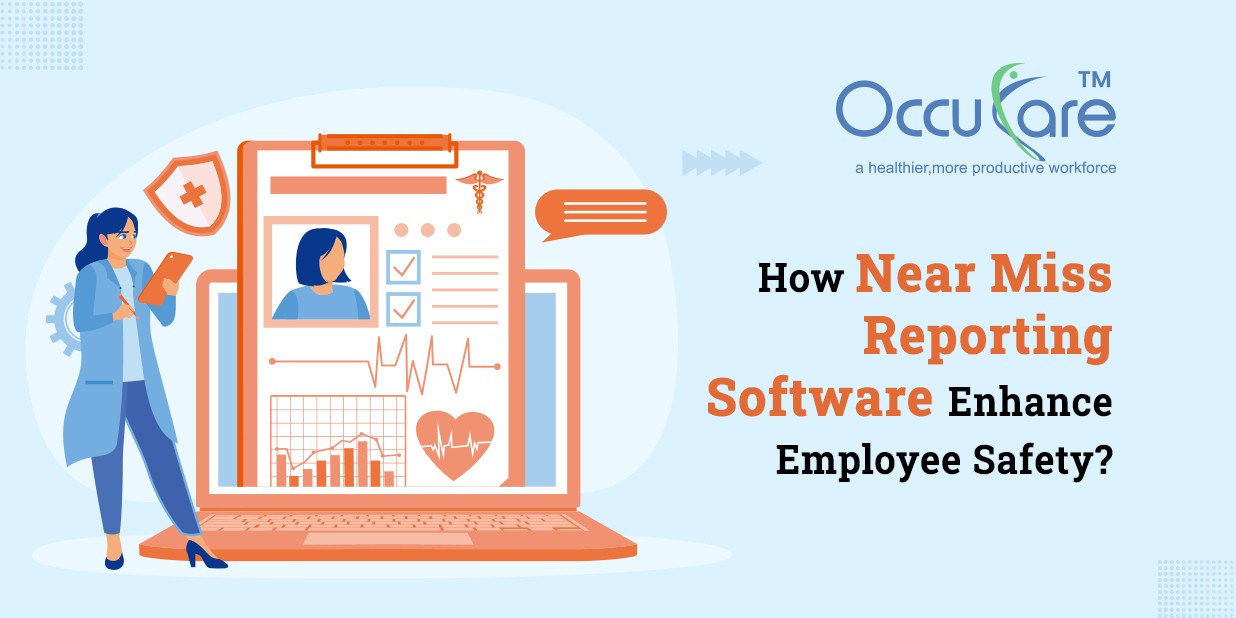
Regardless of the industry, every firm has safety as a top priority. There is always a chance of workplace accidents, whether in corporate headquarters or industrial facilities. However, such dangers can be greatly reduced with the correct tools and preventive efforts. Software for reporting Near Miss Reporting Software. is one such innovation that has completely changed workplace safety. Organizations can improve employee well-being, lower possible risks, and promote a culture of safety by utilizing the power of a Near Miss Reporting System.
Understanding Near Misses and Their Impact:
It’s important to comprehend what a near miss is before delving into the advantages of near miss reporting software. An unforeseen incident that did not cause harm, destruction, or loss but had the potential to do so is referred to as a near miss. These instances frequently serve as warning signs, drawing attention to defects in procedures, tools, or conduct that, if ignored, could have serious consequences.
When organizations disregard near-misses, they fail to see how valuable they are as teaching moments.
Role of Near Miss Reporting Software in Workplace Safety:
Streamlining Reporting Process: Conventional approaches to reporting near-misses, such verbal communication or paper forms, are frequently ineffective and prone to human error. A trustworthy Near Miss Reporting System guarantees that no important information is missed, resulting in an accurate and smooth data collection procedure.
Key Benefits of a Near Miss Reporting Software:
1. Encouraging a Proactive Safety Culture:
Strong safety cultures in organizations recognize that preventing mishaps is preferable to reacting to them. A Near Miss Reporting System fosters an open and proactive workplace by enabling staff members to report problems without worrying about who will be held accountable. Management can put preventive measures in place by using OccuCare Software to find patterns and trends.
2. Enhancing Data-Driven Decision Making:
The foundation of any effective safety plan is data. It gathers, arranges, and evaluates near-miss data to give businesses useful information. A thorough this can assist in locating high-risk locations, reoccurring problems, and weaknesses in safety procedures.
Reducing Costs Associated with Workplace Incidents:
Significant financial losses, including downtime, legal obligations, and medical costs, can result from workplace mishaps. Organizations can save money over time by addressing possible risks with Safety Software before they become more serious.
A strong Near Miss Reporting System pays for itself in lower incident rates and more employee satisfaction.
Features of Effective Near Miss Reporting Software:
Finding features that meet organizational needs is crucial when choosing a near-miss reporting system. Among the crucial characteristics are:
- User Friendly Interface: Employees are more likely to use this system if it is intuitive and easy to navigate.
- Real-Time Reporting: With this Software, incidents can be reported in real time, allowing for immediate action.
- Analytics and Reporting Tools: The ability to generate detailed reports and analyze data makes OccCare Software invaluable for safety managers.
- Integration Capabilities: A good Safety System integrates seamlessly with other safety and operational tools.
Best Practices for Implementing Near Miss Reporting Software:
- Encourage Staff Training: Make certain that staff members are proficient in using this System. Frequent training sessions can promote acceptance and assist in overcoming resistance.
- Encourage a Culture of No Blame: Near Miss Reporting Software’s effectiveness hinges on an environment where workers feel comfortable disclosing instances.
- Update the System Frequently: Make sure the Near Miss Reporting Software is updated with new features and compliant with industry standards to keep it current.
Future of Workplace Safety with Near Miss Reporting Systems:
Improvements in software will have a greater influence on workplace safety in the future as technology develops. It will undergo a revolution thanks to emerging trends like artificial intelligence (AI) and machine learning, which will make them even more effective instruments in the battle against workplace risks.
- AI-Powered Predictive Analytics: Predictive analytics from AI integration with Safety software can help firms anticipate possible events before they happen.
- Mobile and Wearable Technology Integration: Employees can report issues in real time using wearables, smartphones, or tablets, increasing the effectiveness and accessibility of the EHS System.
Conclusion:
Using OccuCare’s Near Miss Reporting Software shows a commitment to putting employee safety first, not just a technical advancement. Businesses can lower expenses, improve operational efficiency, and make workplaces safer by utilizing a complete system.
Purchasing this makes it very evident to staff members that their safety is important. The future of workplace safety appears more promising than ever as more businesses use this game-changing tool.