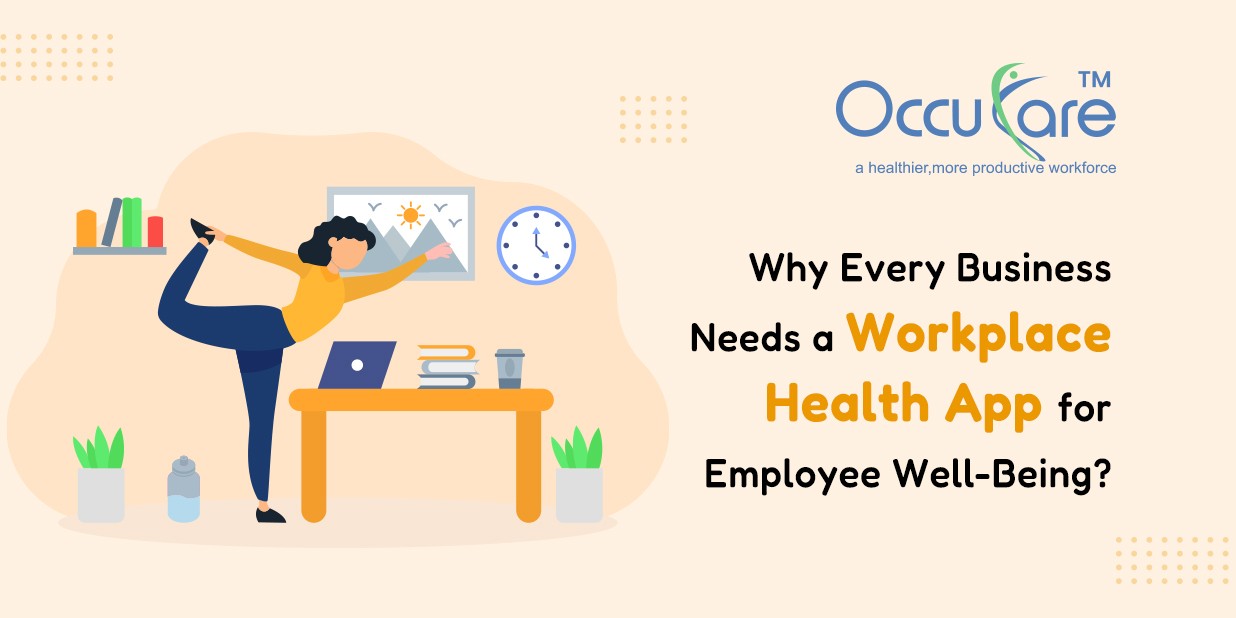
The numerous advantages of workplace health app, their impact on organizational elements, and their importance for organizations in today’s digital age will all be covered in this article. Considering this, integrating an occupational health app is now essential rather than optional. Here are some reasons why every company ought to think about putting one in place for the welfare of its workers.
Businesses are starting to realize how important employee well-being is in today’s fast-paced, dynamic workplace with the help of corporate wellness app. In addition to having an effect on productivity, engagement, and job satisfaction, it also dramatically reduces attrition and enhances company culture overall.
1. Promotes Physical Health and Fitness:
Physical health is the first step toward employee wellness. With features like step challenges, activity tracking, and online fitness classes, and health and safety mobile app may motivate staff members to maintain an active lifestyle all day long. Physical health programs can significantly lower sedentary behavior, that is frequently a major contributor to chronic illnesses including diabetes, overweight, and cardiovascular diseases.
2. Mental Health Support:
Businesses may foster an environment where workers feel appreciated and supported by encouraging mental health. Through the use of mood tracking tools, meditation sessions, and psychological treatment (CBT) strategies, apps can also assist users in taking proactive measures to maintain their mental health.
3. Fosters Better Work-Life Balance:
In order to avoid employee burnout and increase general happiness, work-life balance is essential. Tools for establishing boundaries among personal. And professional lives are frequently included in workplace health apps. Employees may better manage their workload with capabilities like hourly rate tracking, break reminders, and alerts about impending vacations or mental health days.
4. Increases Employee Engagement and Motivation:
An excellent tool for fostering a stimulating and inspiring work environment is a workplace wellness app. A lot of apps use gamification techniques, like rewarding users with badges, points, or awards for reaching fitness objectives or finishing health challenges. Employees are encouraged to maintain consistency in their well-being activities as a result of the competition, accountability, and sense of community this creates.
5. Enhances Team Collaboration and Connection:
Keeping teams linked is one of the main issues businesses confront in the age of remote and hybrid work. By organizing online team challenges, group workouts, or wellness contests, an employee health app can close this gap. Even when workers are working from various places, this fosters teamwork, friendship, and healthy competition.
6. Reduces Healthcare Costs for the Business:
There is no denying the long-term advantages of making investments in employee wellness. Businesses can lower their overall healthcare expenses by emphasizing preventive measures and promoting better lifestyle choices. Through routine tracking and health evaluations, workplace health apps encourage the prompt identification of health disorders, perhaps preventing the emergence of more serious conditions.
7. Provides Valuable Data and Insights:
Apps for workplace wellness not only help workers but also give companies useful information. Businesses can spot places where more help might be required by monitoring patterns regarding employee health and wellness. For example, a shift in the company’s workload requirements or a need for additional mental health services may be indicated if employees routinely report high levels of stress.
8. Encourages a Holistic Approach to Well-Being:
Apps for workplace health are frequently made to promote mental, emotional, social, and physical well-being. An employee’s effectiveness at work is impacted by their general health, which is acknowledged by an integrated approach to employee wellness. Businesses may foster a culture that appreciates the full individual, not just their production. By giving staff members the means and instruments to improve all aspects of their well-being.
Conclusion:
In summary, there is a greater demand than ever for workplace health apps. In addition to helping workers live healthier lives. They also help the company succeed by cultivating a more contented, engaged, and productive staff. The advantages are obvious, ranging from bettering work-life balance to lowering healthcare expenses to increasing mental and physical health.
Ultimately, businesses that prioritize health and well-being will thrive in an increasingly competitive and employee-focused environment.