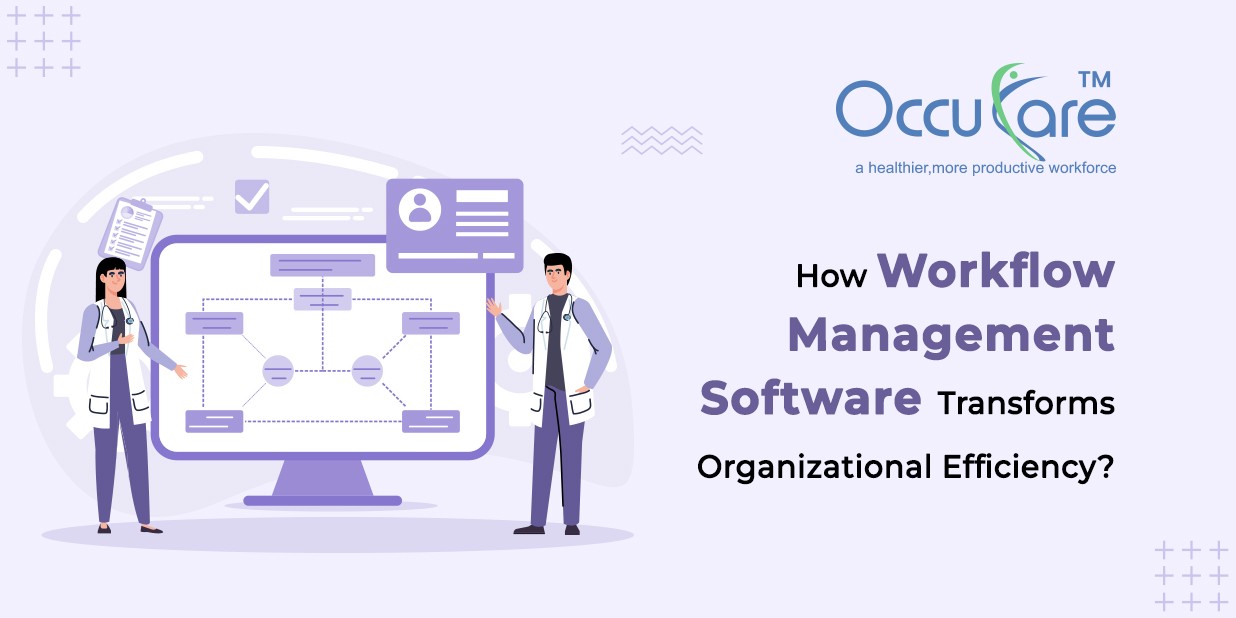
In today’s fast-paced business environment, formation is constantly strained for higher productivity, political process, and loyal consequence. Still, managing complex workflows, multiple jobs, and diverse teams can often feel like a juggling act. That’s where workflow management software system number in—transforming the way businesses organize, execute, and supervise labor. By automating processes, streamlining communication, and improving visibility, workflow management software proffers a powerful solution for enhancing organizational efficiency. Allows search for how it turns and theprimaryl ways iinspiresre job operations.
1. Streamlining Processes and Reducing Bottlenecks:
A major challenge for many formations is dealing with inefficiencies caused by bottlenecks and disunited workflows. In a traditional organization, tasks can get overlooked or fall through the cracks due to deficiency of visibility or coordination. Workflow management package addresses this by automating and structuring processes in a fashion that minimizes manual intervention.
For exercise, in a marketing team, making a campaign may command multiple steps, including depicted object creation, purpose approval, budget allocation, and scheduling. Workflow software can define these steps clearly, assign jobs to the appropriate team appendage, set deadlines, and track progress. If one step is delayed, the package can flag it, allowing the handler to interpose quickly before the whole project accrues in arrears.
2. Enhancing Collaboration Across Teams:
As businesses grow, they often realize that multiple departments involve working together to complete a project. Workflow management software breaks down silo, better communication, andcollaborationm between teams. Whether it’s a marketing ‘steam’s turn with a sales event, or Icollaborateste with 60 MINUTES, workflow softwareensurese that all stakeholders are on the like Thomas Nelson Page, have memory access to the necessary information, and are apprised of relevant updates.
For instance, an employee onboarding process might call for HR, IT, and the new employee’s manager. Workflow direction software helps to automate this process by setting up a chain of tasks that must be completed in succession—setting up a workstation, providing education, correcting access to putz, etc. All involved parties can access the same system, view what labor is pending, and ensure that the entire cognitive operation is ddischargedexpeditiously and without pretermit steps.
3. Improving Task Visibility and Accountability:
In the absence of a clear trailing organization, it’s possible for tasks to be blocked, duplicated, or omitted. Workflow direction software puts up a centralizedfacadea that gives managers and team members full visibility over all ongoing task, their condition, and who is responsible for each one.
By offering material-prison term update on task advance, the OccuCare software system ensures that everyone loves what’s been acted and what’s expected to be completed. For example, a projection manager can quickly review a team’s progress on a specific initiative, while an employee can see on the button what they require to put to work on next. This visibility fosters accountability, as everyone have it away their town heatrical role in the process and can track their own contribution to the overall project.
4. Automation of Repetitive Tasks:
Repetitive labor, such as data entry, approval processes, or quotidian communications, can necessitate a significant amount of money in employees’ time. Workflow management package helps automate these tasks, unblock valuable time for more strategic pieces of work. Mechanization mminimizesthe jeopardy of human computer error, speeds up processes, and allows employees to focus on gamey-note value activities.
For a deterrent example, in the finance section, workflow software can mechanically route an invoice through the approval chain and further defrayment reminder. Alternatively to manually checking each bill, the system ensures that approval takes place on prison term and that nothing slips through thecrackssresulting into faster processing and good financial management.
Better Decision-Making with Data Analytics:
Workflow management package isn’t only about organizing tasks; it also provides valuable data that helps dthe irector make good decisions. By tracking task length, constriction, and carrying into action metrics, managers can profit from brainstorming in the arena that takes improvement.
For example, a stage business may discover that one specific step in theworkfloww systematically causes postponement. With this data in handwriting, the management team can investigate the root cause, whether it’s a specific procedure, employee, or department, and make the necessary modifications to eliminate or reduce the bottleneck. This information-driven overtureservese businesses refine their processes over meter, boosting efficiency in the long run.
6. Enhancing Compliance and Standardization:
In diligence with rigorous regulatory requirements—such as healthcare, finance, or fabrication—compliance is critical. Workflow direction software ensures that cognitive operations arepostede consistently, reducing the risk of non-deference and ensuring that required documentation and favorable reception are in place.
For example, a healthcare institution may use waorkflow package to see that all patient records are managed according to privacy laws and that all medical processes follow install communications protocol. The software can enforce standardized operation, automatically yield compliance checklists, and document every gradation in the workflow, creating an auditable trail for regulatory purposes. This boil down the burden on employee and ensures that compliance is perpetually met.
7. Scaling Operations with Ease:
As constitution grow, and then serve the complexity of their work flow. Manual summons that turn when a company was belittled become ineffective and prone to mistake as the business scales. Workflow management software take into account administration to scale their surgical operation without give efficiency.
Whether it’s wield a declamatory volume of tasks, onboarding more employee, or managing a bigger intersection line, workflow software program can fit these changes with ease. By automatise and centralizing labor, the software enable line to expatiate without being bogged down by administrative vault. This scalability is all important for companies wait to grow efficiently.
8. Reducing Human Error and Enhancing Quality Control:
Manual unconscious process are prone to human error, which can direct to dear misapprehension or postponement. Workflow management software reduces the likeliness of these errors by standardizing physical process, automating routine tasks, and provide readable instructions for each step.
For instance, a timbre ascendency team in a manufacture plant can employ workflow software to check that all products undergo the right inspections before shipment. The software can dog every review footprint, alert the team if a run is skip, and provide software documentation for submission. This ensures consistency and improves the overall quality of the product, while come down the chances of faulty goods pass on customers.
Conclusion:
Workflow direction software system is a biz-changer for line seeking to enhance organizational efficiency. By automating tasks, ameliorate communicating, and providing insight into performance, it streamlines performance and avail clientele conform to ever-vary surroundings. Whether it’s enhancing collaboration, tighten bottleneck, or improve decision-making, this software provides the tools to create a more quick, productive, and effectual organization.
Integrate workflow management software into your business not alone pass to immediate efficiency gains but also sets the stagecoach for tenacious-term growth and instauration. With the right organization in place, businesses can unlock their full potential and outride onwards in a competitive landscape.