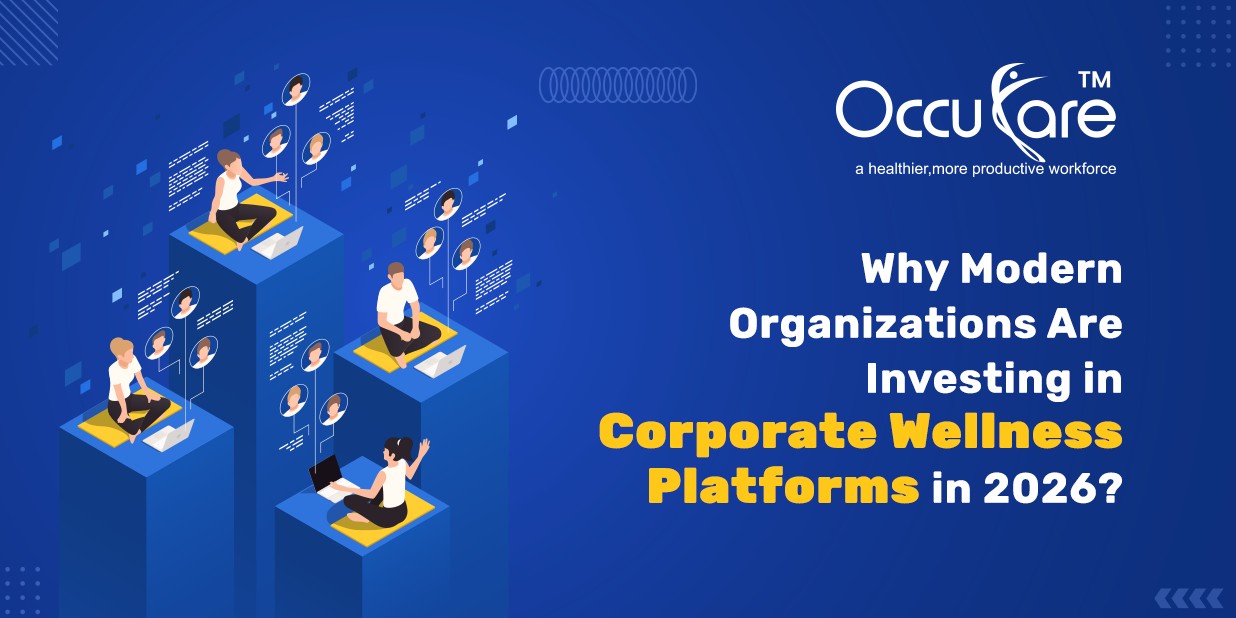
In 2026, the definition of a “good workplace” has changed completely. It is no longer just about salary, job title, or fancy offices. Employees today expect organizations to genuinely care about their physical health, mental well-being, emotional balance, and overall quality of life. This shift is the primary reason why modern organizations are increasingly investing in a Corporate Wellness Platform.
Corporate wellness is no longer a “nice-to-have” initiative—it has become a strategic business priority. Companies that ignore employee well-being are already seeing the consequences in the form of burnout, low productivity, high attrition, and disengaged teams.
Let’s explore why corporate wellness platforms are becoming essential in 2026 and how holistic corporate wellness is shaping the future of work.
Changing Reality of Work in 2026:
The modern workforce is dealing with challenges that were less visible a decade ago:
- High stress levels due to constant connectivity
- Remote and hybrid work fatigue
- Rising mental health concerns
- Sedentary lifestyles
- Poor work-life balance
Organizations have realized that traditional wellness initiatives like annual health checkups or gym discounts are no longer enough. Employees need continuous, personalized, and technology-driven support. This is where an employee wellness platform plays a critical role. A digital corporate wellness software allows companies to support employees every day—not just once a year.
What is a Corporate Wellness Platform?
It is a centralized digital solution designed to manage and deliver wellness initiatives for employees. It integrates physical, mental, emotional, and sometimes financial well-being into a single system.
Modern platforms typically include:
- Mental health support and counselling
- Fitness and activity tracking
- Nutrition guidance
- Stress management programs
- Preventive health assessments
- Engagement challenges and rewards
- Analytics and reporting for HR teams
In short, it transforms traditional corporate wellness programs into a scalable and measurable system.
Rise of Holistic Corporate Wellness:
One of the biggest trends driving adoption in 2026 is Holistic Corporate Wellness.
Unlike old-style wellness programs that focused only on physical health, holistic wellness addresses the complete well-being of an employee:
- Physical wellness – fitness, sleep, nutrition
- Mental wellness – stress, anxiety, emotional health
- Social wellness – workplace relationships and belonging
- Professional wellness – career growth and purpose
- Financial wellness – financial literacy and security
A Holistic Wellness Program recognizes that an employee’s performance at work is deeply connected to their overall life experience.
Organizations that implement holistic solutions see healthier, happier, and more motivated teams.
Why Organizations Are Investing More in Corporate Wellness Platforms?
1. Employee Burnout Is at an All-Time High:
Burnout is one of the biggest threats to productivity in 2026. Long working hours, blurred boundaries between work and personal life, and constant digital engagement have taken a toll on employees.
A well-designed employee wellness platform helps organizations:
- Identify stress patterns early
- Provide timely mental health support
- Encourage healthier routines
2. Wellness Drives Productivity and Performance:
Healthy employees perform better. This is no longer an assumption—it is backed by data.
Organizations using corporate wellness software report:
- Improved focus and energy levels
- Reduced absenteeism
- Higher engagement
- Better collaboration
3. Talent Attraction and Retention:
In 2026, top talent chooses employers based on culture and well-being, not just compensation.
Companies offering strong corporate wellness programs gain:
- Higher employee retention
- Stronger employer branding
- Increased loyalty and trust
4. Data-Driven Wellness Decisions:
Modern corporate wellness software provides actionable insights through dashboards and analytics.
HR and leadership teams can:
- Track participation and engagement
- Measure health risks across teams
- Evaluate ROI of wellness initiatives
- Customize programs based on real needs
5. Support for Remote and Hybrid Workforces:
With remote and hybrid work becoming permanent, organizations need digital solutions that work across locations.
An employee wellness platform allows:
- Equal access to wellness resources
- Consistent communication and engagement
- Virtual wellness challenges and sessions
Corporate Wellness as a Business Strategy:
Forward-thinking organizations no longer view wellness as an HR expense.
Benefits include:
- Reduced healthcare costs
- Improved organizational resilience
- Stronger workplace culture
- Higher employee satisfaction scores
Key Features Organizations Look for in 2026:
When investing in a Corporate Wellness Platform, modern organizations prioritize:
- Personalization using AI and analytics
- Mental health-first design
- Mobile-friendly experience
- Easy integration with HR systems
- Strong data security and privacy
Conclusion:
In 2026, employee well-being is no longer just an HR initiative—it’s a core business strategy. Organizations that invest in holistic corporate wellness platforms see tangible benefits, including higher productivity, lower burnout, improved engagement, and stronger talent retention. A modern wellness strategy addresses physical, mental, and emotional health, creating a workforce that is not only healthier but also more motivated and loyal.
At OccuCare, we help organizations implement comprehensive wellness solutions that integrate occupational health, safety, and employee well-being. From personalized wellness programs to preventive health assessments, our platform empowers your team to thrive while giving your business a competitive edge. Contact us today for a free demo and discover how OccuCare can transform your workplace wellness into measurable business results.