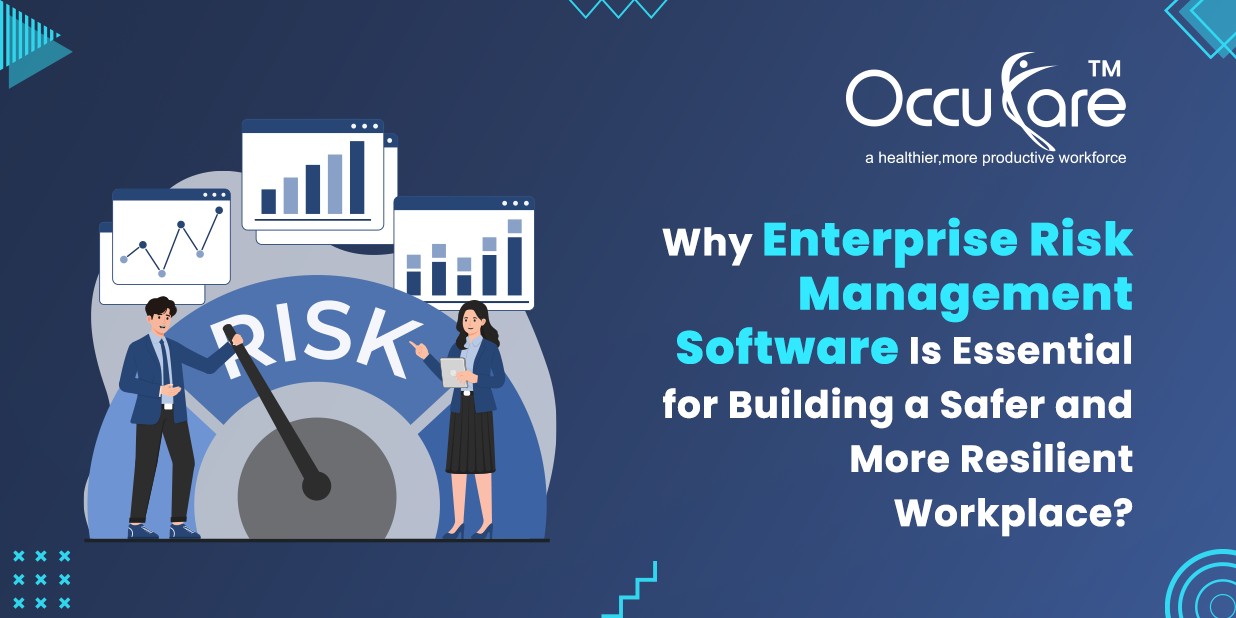
Modern organizations operate in an environment filled with evolving challenges, including workplace incidents, cyber threats, regulatory changes, supply chain disruptions, and operational uncertainties. Managing these risks through spreadsheets, manual processes, or disconnected systems often leads to limited visibility, slower response times, and compliance gaps. As businesses expand, adopting Enterprise Risk Management Software becomes a strategic investment that helps organizations strengthen governance, improve decision-making, and create a safer, more resilient workplace with an effective enterprise risk management solution.
A centralized risk management solution enables businesses to identify, assess, prioritize, and mitigate risks through real-time insights, automated workflows, and comprehensive reporting. This proactive approach supports regulatory compliance, enhances Occupational Health and Safety (OHS) performance, minimizes operational disruptions, and fosters a strong culture of safety across the organization. By implementing the right workplace safety management software, businesses can improve resilience, protect their workforce, and achieve sustainable long-term growth. In this article, we’ll explore why an Enterprise Risk Management System is essential for creating a safer and more resilient workplace.
Understanding Enterprise Risk Management:
It is a systematic way of identifying, assessing, monitoring, and managing the risks that could impact organizational objectives. In contrast to conventional risk management that typically concentrates on department-specific issues, ERM looks at risks across all business functions, including operations, finance, human resources, IT, legal, environment, health & safety, and compliance.
An enterprise risk management process will enable an organization to find answers to the following questions:
- What risks could have any effect on business activities?
- What is the probability of these risks of materializing?
- What is financial and operational risk management?
- What risks need urgent action?
- Are there adequate controls in place to minimize risks?
Using ERM tools, organizations can get answers to these questions based on data rather than assumptions.
The Need for a Modern Safety System
Workplaces in the modern era are more complex and challenging than ever. Employees may work at different sites, use dangerous machinery, deal with confidential information, and work remotely. Manual tracking of all these types of hazards tends to cause delays in reporting, inaccurate documentation, and a missed chance to stop any incidents.
The Enterprise Risk Management system consolidates information about all the risks, and organizations can identify potential problems at an early stage and take preventive actions.
For instance, when there is an accumulation of safety incidents at the same manufacturing unit, the software will indicate recurring trends and help managers analyze the situation and take actions to prevent the incidents.
Organizations can actively minimize risks before affecting their employees and operations.
Enhancing Compliance and Regulatory Preparedness
There are many compliance and regulatory standards that an organization needs to follow. In case of non-compliance, there are repercussions including fines, lawsuits, reputation risks, and other business interruptions.
The use of AI workplace risk assessment makes compliance easy through the creation of central records of:
- Risk assessment
- Inspections
- Audits
- Incident investigation
- Corrective actions
- Preventive actions
- Policy acknowledgement
- Compliance
This will minimize the effort of complying while improving preparedness for regulatory inspections.
Enhanced Risk Visibility for the Entire Organization
Another key benefit is the provision of visibility into organizational risks to the leaders of the company.
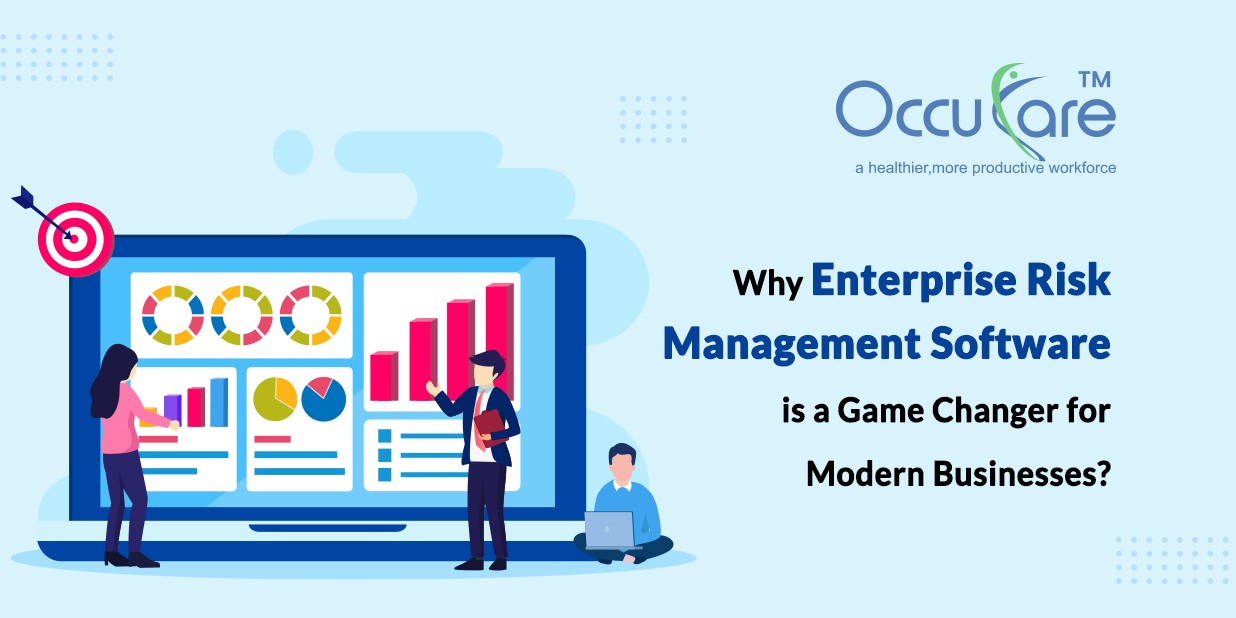
The ability of ERM software to offer interactive dashboards will make it easy for leaders to track:
Important risks
- Risk exposure by department
- Trends in incidents
- Compliance status
- Pending corrective actions
- Risk heat maps
- Key Risk Indicators (KRIs)
When everything is available in one place, it makes decision-making easier compared to receiving information from various departments through fragmented reports.
Fast Reporting and Investigation of Incidents
Time is critical when incidents happen at work.
Traditional reporting procedures take time, thus increasing the likelihood of reoccurrence of incidents.
The Operational Risk Management Software allows employees to report incidents immediately using either desktop or mobile programs. This may involve submitting pictures, witness accounts, location information, and other relevant documentation.
After submission, the program assigns the incident to relevant individuals to investigate and take the necessary corrective measures.
Other areas that can be tracked include:
- Severity of incidents
- Causes of incidents
- Status of corrective measures
- Reoccurrence of incidents
- Time taken to conduct investigations
Creating a Culture of Proactive Risk Management
Technology cannot make an organization a safe work environment. However, technology can foster proactive behavior.
Use of Enterprise Risk Management software enables workers to notify management about:
- Near miss incidents
- Unfavorable working conditions
- Unsafe acts by people
- Equipment malfunction
- Environment hazards
Employees get actively involved in safety practices at the workplace instead of remaining passive onlookers. The managers can then identify recurring problems before they turn into accidents.
Facilitating Business Continuity
Unforeseen occurrences like cyber-attacks, outages of electricity supply, pandemics, or supply chain failures could affect the conduct of business activities.
ERM software assists businesses in being prepared for emergencies through recording:
- Business continuity plans
- Disaster recovery plans
- Emergency response plans
- Critical business processes
- Risk mitigation strategies
Data-Driven Decision Making
Insights can be gleaned from modern ERM solutions through analytics and reports.
These include:
- Often repeated occurrences
- High-risk departments
- Seasonal risks
- Compliance levels
- Risk trends
Decisions can therefore be made not out of hunches but using tangible data for prioritizing investments and improving safety at the workplace.
Financial Advantages of Enterprise Risk Management
Most companies initially consider ERM applications as a cost incurred for compliance purposes. However, this software offers many tangible financial benefits.
Decreasing incidents in the workplace translates to reduced medical costs, worker compensation, legal fees, equipment damage, and disruption of operations.
Automation of the compliance process saves labor costs and expenses related to preparing audits.
Increased visibility of risks enables organizations to save money by avoiding business interruptions and reputational damage.
Features of ERM Software That You Need to Have
If you decide to choose ERM software, the following features should be considered:
- Risk register
- Risk assessment and rating
- Incident reporting and investigations
- Corrective and preventive action management
- Compliance management
- Internal audit management
- Heat map
- Dashboard and analytics
- Automation of notifications and reminders
- Mobility
- User roles and permissions
- Integration with other enterprise solutions
Conclusion:
As businesses continue to navigate evolving operational, compliance, and workplace safety challenges, adopting a modern risk management solution is no longer optional—it’s a strategic business decision. A centralized platform helps organizations strengthen governance, improve regulatory compliance, reduce operational disruptions, and make informed decisions using real-time data. Understanding the benefits of risk management software can help businesses proactively identify and mitigate risks, protect their workforce, safeguard their reputation, and build a resilient foundation for sustainable growth in an increasingly competitive environment.
If you’re looking to transform your organization’s approach to risk management and workplace safety, OccuCare is here to help. Our comprehensive solution is designed to streamline risk identification, incident management, compliance tracking, and business continuity planning—all from a single platform. Contact us today for a free demo and discover how OccuCare can help your organization improve safety, enhance operational efficiency, and confidently manage enterprise risks.