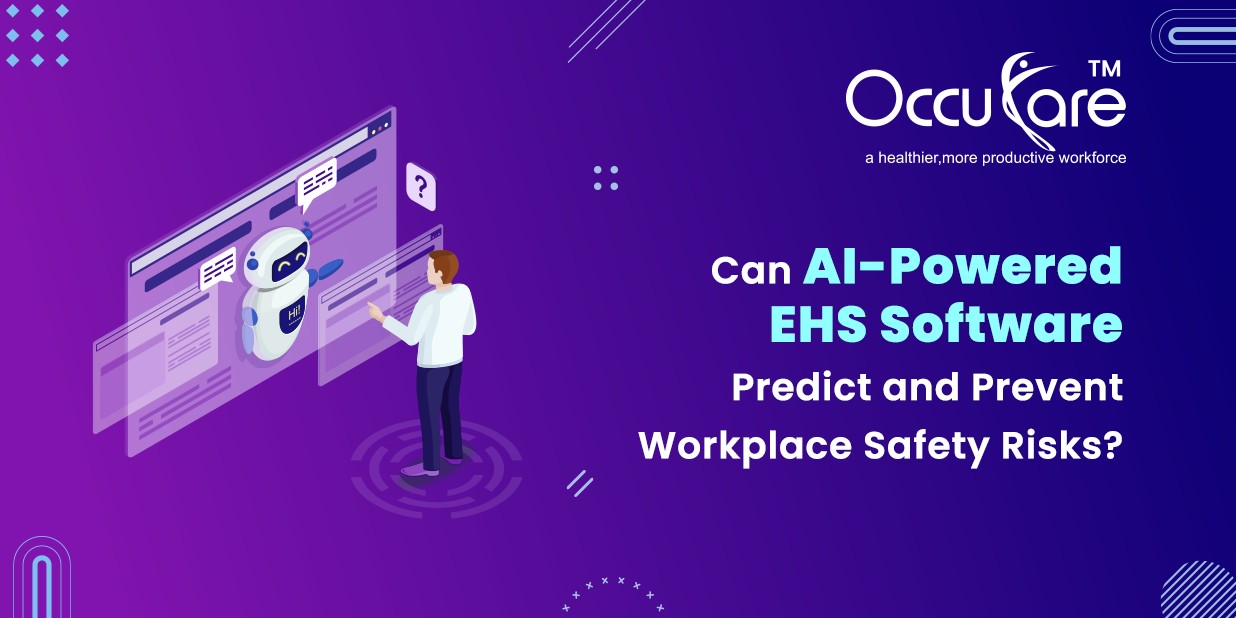
Workplace safety has evolved significantly, moving beyond reactive incident management, routine inspections, paperwork, and regulatory compliance. Today, organizations need a proactive approach that identifies potential hazards before they escalate into incidents, strengthens risk management, and continuously improves the protection of employees, assets, and the environment. With AI-Powered EHS Software, businesses can leverage data-driven insights to identify emerging safety risks, support faster decision-making, and build a more proactive safety culture.
As workplace risks become increasingly complex, organizations are also looking for smarter ways to monitor compliance, identify recurring issues, and streamline safety processes. EHS Audit Software can help organizations conduct systematic audits, track findings, and turn safety data into actionable improvements—enabling safety teams to move from simply responding to incidents toward preventing them before they occur.
EHS Software plays a key role in all these aspects.
Modern EHS Software assists organizations in replacing paper-based processes, spreadsheets, and other manual approaches with digitalization. However, what comes next is even more important. The integration of artificial intelligence into EHS Software can provide organizations with an additional opportunity to enhance their operations.
Can AI really predict an accident in the workplace?
Not in a Hollywood science fiction kind of way where an AI system will tell you that there will be an accident at 3:15 p.m. tomorrow. But what AI can do is to identify combinations of risk factors that have led to an incident in the past and alert you about them before things get out of hand.
It can dramatically change the way organizations manage their workplace safety programs.
From “What Happened?” to “What Could Happen Next?“
Traditionally, safety management relies on historical data.
How many incidents were there last month? How many injuries took place this year? How many audit findings have been identified? How many corrective actions are still open?
All good questions, but all of them tell you what has already happened.
How Does AI-Powered EHS Software Work?
AI-powered EHS software operates based on the information that the organizations already have.
This includes such things as:
- Safety observations
- Near misses
- Incidents
- Audit results
- Inspection results
- Risk assessment
- Corrective actions
- Training records
- Equipment issues
- Compliance
- Permits
- Environmental information
From Data to Early Warnings: How AI Identifies Emerging Risks
AI becomes truly valuable when the data collected across different EHS activities is transformed into meaningful safety intelligence. Instead of reviewing incidents, near misses, inspections, and audit findings individually, AI can analyze patterns and relationships across these data points to identify recurring risk factors and areas that may require immediate attention. For example, repeated equipment issues combined with similar safety observations or overdue corrective actions could indicate an emerging risk that may otherwise go unnoticed.
This predictive approach allows safety teams to move beyond simply documenting what happened and start understanding why risks are developing and where they may appear next. By highlighting patterns, trends, and potential risk indicators, AI can help organizations prioritize their safety efforts, focus resources on high-risk areas, and make more informed decisions before a minor issue develops into a serious incident.
Turning Predictions into Prevention: From Insight to Action
Identifying a potential risk is only the first step. The real value of AI-driven safety management comes from turning those insights into timely preventive action. When emerging risks are identified, EHS teams can prioritize corrective actions, strengthen controls, conduct targeted inspections, improve employee training, or address recurring hazards before they escalate. This creates a continuous cycle of identifying, predicting, acting, and improving.
With the right digital EHS ecosystem, organizations can connect predictive insights with everyday safety processes and create a more responsive safety management strategy. EHS Audit Software can further support this approach by helping teams track audit findings, prioritize corrective actions, and monitor recurring compliance gaps. Rather than waiting for incidents to reveal weaknesses, safety leaders can use technology and data to intervene earlier, strengthen operational resilience, and make prevention an ongoing part of workplace safety.
Conclusion
Workplace safety is no longer just about responding to incidents—it is about anticipating risks, acting on insights, and continuously improving safety performance. AI-powered EHS technology gives organizations the opportunity to move from reactive safety management to a more proactive and data-driven approach by identifying risk patterns, prioritizing critical issues, and supporting faster preventive action. For businesses looking for the Best EHS Software, this approach can deliver stronger compliance, better operational visibility, reduced exposure to workplace risks, and a safer environment for employees and assets.
At OccuCare, we help organizations strengthen their occupational health and safety processes with smarter, technology-driven EHS solutions designed to support efficient risk management and continuous improvement. If you are ready to transform your safety management from reactive to proactive, contact us today for a free demo and discover how OccuCare can help your organization build a safer, more efficient, and future-ready workplace.