default

Why Employer should worry about Employees’ Health Surveillance ?

occucare

Health surveillance at a workplace or occupational health monitoring is the periodic medical examination data collection and analysis of exposure and health effect on workers. Health inspection takes place in the form of either a periodic medical examination or a physiology assessment of workers or employees. The findings from health checks are used to identify the hazards exposure of the workers, individuals at increased risk.

Health surveillance allows companies to get information about their employee’s health and help them to protect from health risks at the workplace. Health control measures at the companies may not always be reliable, and health monitoring can help identify any potential ill effects on their employees proactively and improve their employee’s health after detecting the disease on time.
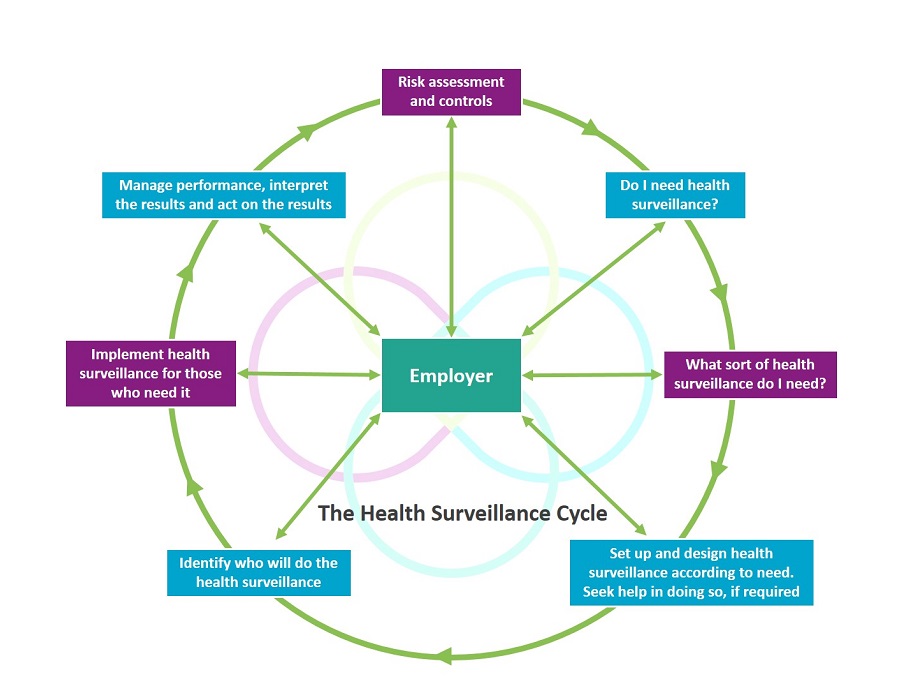
Health-Surveillance-image

The purpose of health surveillance at companies is to maintain the health and safety of their employees. Health monitoring is important in the workplace so that employers can detect ill-health effects at an early stage and start implementing better health control measures to prevent them from getting worse. It helps employers to provide medical data of their employee’s so that they can evaluate the health risk. Health inspection helps employee’s to know- how work affects their health and provide the training and education to the employees on the impact of health effects and the use of personnel protective equipment.

he health surveillance program aims to keep employees healthy and ensures that employers are meeting OSHA standards in the field of health and safety. Health monitoring has an importance on prevention: it is meant to identify all possible workplace hazards before invariable health effects can occur.

Health surveillance targets unfeigned health events. Health inspection is a secondary line of support after the control of direct hazards. NIOSH advises the health check-ups of employees when exposed to hazardous substances. The components of health surveillance plan generally include the following:-

  • 1. A primary medical examination and collection of medical and occupational records.
  • 2. Periodic medical examinations at frequently scheduled intervals, including specific medical screening for individual employees according to their work profile.
  • 3. Enhance and detailed medical examinations as indicated on the source of findings from periodic examinations data.
  • 4. Post-incident examinations and record of post-incident data.
  • 5. Employee’s training should be organized to recognize symptoms of exposure to a hazardous substance.
  • 6. A composed description of medical conclusions.
  • 7. Employer activities in reply to the classification of the potential hazard.

When the purpose of a health check-ups plan is to detect early signs of work-related illness and disease, medical screening should be done to discover preclinical developments in organ function or modifications before an employee would usually ask medical care. The medical screening program should follow the criteria, and specific disease must be determined by the selected test.

Medical examinations and tests are managed in several workplaces to determine whether an employee can deliver the essential functions of the job. Health inspection of workers is also expected by the law when there is a danger to a specific workplace hazard and has defined various standards that ask health monitoring of workers in addition to substance-specific standards.

Exposure monitoring should always be conducted by companies from time to time to analyze workplace health and safety standards are been maintained or not. Health inspection is not important for those companies whose workers are not at risk while operating but companies whose worker at risk while on duty they should surely practice health checks.

Health surveillance cycle
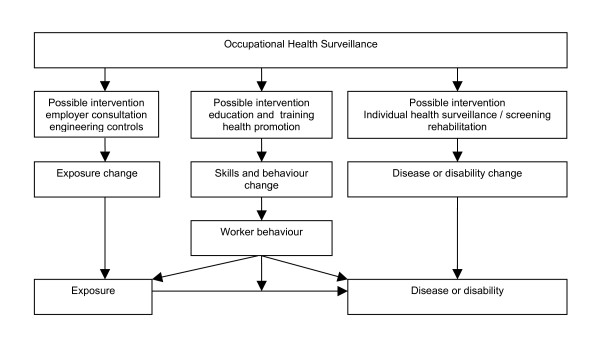
Health-Surveillance-cycle


Frequently Asked Questions

1. Why is employee health surveillance important for workplace safety?

Employee health surveillance helps employers identify early signs of work-related illnesses, monitor occupational health risks, and take preventive action. It also supports a healthier workforce and safer working environment.

2. How often should employers conduct employee health surveillance?

The frequency depends on workplace hazards, employee exposure levels, job responsibilities, and applicable regulations. Organizations should establish periodic medical examinations based on occupational risk assessments and medical recommendations.

3. Why should companies conduct periodic medical examinations for employees?

Periodic medical examinations help identify potential health complications caused by workplace exposure and detect illnesses at an early stage. They also help employers evaluate employee fitness and plan appropriate preventive measures.

4. How does health surveillance help organizations reduce workplace health risks?

Health surveillance helps organizations identify patterns of occupational illness, evaluate exposure-related health effects, and implement corrective measures. This proactive approach can reduce health-related disruptions and improve employee well-being.

5. Why is digital health monitoring beneficial for industrial organizations?

Digital health monitoring helps industrial organizations maintain employee medical records, track periodic health examinations, monitor medical findings, and generate reports. It reduces manual documentation and improves access to important workforce health information.

6. Why should employers monitor workplace exposure alongside employee health conditions?

Monitoring workplace exposure alongside employee health helps employers understand how environmental and occupational hazards may affect workers. Combining these insights supports better risk assessments and more effective preventive health measures.

7. How can OccuCare help employers manage employee health surveillance programs?

OccuCare helps organizations digitize medical surveillance activities, manage employee health records, schedule periodic examinations, and analyze workforce health information through a centralized occupational health management platform.

8. How can OccuCare help organizations identify potential occupational health risks?

OccuCare helps organizations organize employee medical data, monitor health examination findings, and analyze workforce health trends. These insights support early identification of potential occupational health concerns and better preventive healthcare planning.


author

The Author

Kumaril Patel

CEO & Co-Founder

LinkedIn Icon

Kumaril Patel is the CEO & Co-Founder of Sapphire Software Solutions, a global technology company specializing in software, mobile app, and web development. With over 20 years of diverse IT leadership, he has built international business operations from the ground up and led the leading flagship digital platforms such as Vidyalaya School Management System and OccuCare Occupational Health Management System.

Kumaril is known for transforming ideas into high-impact technology solutions—leading cross-functional global teams and building innovation-driven ecosystems. His strategic vision has enabled long-standing collaborations with global enterprises including American Express, Bayer, TATA Group, Adani Group, Larsen & Toubro, Honda, Toyota and Vedanta Limited.

Passionate about innovation, AI, and cloud technologies, Kumaril focuses on empowering organizations to scale globally while solving real-world challenges through transformative digital solutions.

Success Icon