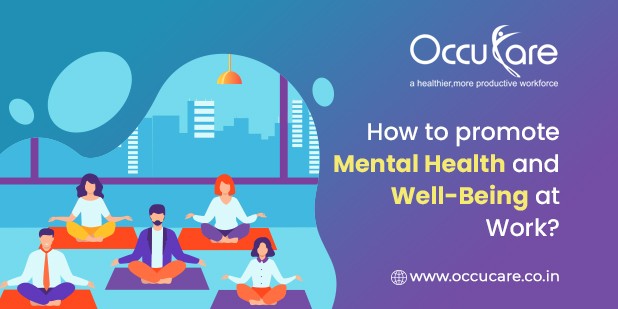
The value of mental wellbeing is understood more than ever today, with research showing that welfare interventions can increase efficiency, strengthen the atmosphere of the workplace and even have a positive effect on physical health. However, this need not be a daunting job, since not all projects need to be time-consuming and resource-consuming. These mental health initiatives in the workplace can support a healthier and more productive environment.
According to worksite health research by the CDC, forty percent of workers say that their careers are extremely stressful, while a fifth of employees describe their career as the highest stressor in their lives. Since work stress is a greater indicator of health concerns than personal, financial, or family problems, these figures are cause for concern: stressful employment can cause high healthcare costs, lost productivity, and unwanted staff turnover in addition to affecting the well-being of workers. High work stress is often triggered by temporary circumstances, such as new management, open enrollment, conversion of systems, or busy seasons. But if a highly stressful work climate is a persistent issue, it may cause the company to have enduring fiscal and personnel issues related to employment mental health.
All facets of our lives are influenced by mental health, including our work life. As such, it makes good sense for companies to think about their workers’ psychological well-being and to take constructive action to help them generally improve their psychological health. Understanding how to promote mental health in the workplace can help organizations take constructive action to support their employees.
Fortunately, companies can do so many things, both large and small, to have a positive effect on the mental health of workers. Some examples of ways employers can assist are here:
-
- 1. Establish transparent health and safety workplace guidelines: Start building a healthy working atmosphere by developing, implementing and enforcing consistent policies and procedures for health and safety. The safety and health guidelines of your organisation will help establish processes to resolve depression, burnout, drug abuse and other mental health problems for prevention, early detection, support and recovery. The establishment of rules prohibiting harassment and bullying, a method for investigating complaints and the consequences of violations is also relevant.
- 2. Establish and regularly talk about an employee assistance programme: Employee assistance programmes (EAPs) are employer-sponsored benefit programmes intended to help workers deal with personal challenges that can impair their work performance, physical health or mental and emotional well-being and overcome them. These services can help workers work through a number of mental health issues, including work-related stress, anxiety, depression, emotional distress, concerns about marital and family relationships, drug abuse, problems with child or elder care, financial problems, and more.
- 3. Reduce the stigma associated with problems or issues about mental health: The best way to reduce the stigma frequently associated with mental health topics is to normalise discussions around mental health within the workforce. In developing work environments where workers feel encouraged and comfortable to share their own experiences, organisations whose leaders have been freely able to address their own mental health issues and experiences with their teams have succeeded.
b. Isolation – move the work process where there is minimal density of workers to reduce the no. of workers exposed to Hazard.
c. Ventilation – helps to prevent environment to be extreme, and help the to diffuse the hazards in air.
- 4. Provide mental health instruction to supervisors and administrators: Including mental health training in the management training curriculum of your organisation offers the leadership team the tools, resources, expertise and skills they need to promote a mentally stable workforce effectively. Management Mental Health Preparation will cover subjects such as:
To consider and respond to warning signs:
• Creating a work environment that promotes transparent and frank contact
• Understanding how to avoid and recognise possible emotional stimuli associated with the workplace
• Ensure that there is as much natural light as possible in the work room. - 5. Build a safe job atmosphere: It is recognised that the work climate has a direct influence on the mental well-being of workers, efficiency, job turnover and net income. By maintaining an appropriate policy, keeping staff aware of trends, departmental changes, company priorities, and strategies, leaders will affect a safe working climate. These provide guidance, create morale, and decrease stress on employees. There are also top-down policy improvements that can help the workers, including flexible schedules so that staff can get workouts and take care of personal needs while also completing a full day of work and work-from-home choices, whether it’s a full transfer to a home office or one or two days a week.
- 6. Convey that you value: Care is an integral component of an organisation when individuals and groups of like-minded people recognise and care about the beliefs and circumstances of other individuals and groups. It is illustrated every day in our personal and professional relationships by sharing and embracing treatment. For those of us in the fields of fitness, wellness, and well-being, we interact everyday with concern, according to Dee Edington, a renowned worksite wellness specialist.
Mental health matters in the workplace. It can influence the lives of workers and their families, the organization’s productivity, income, and overall success. It’s easy to get started with accessible mental health resources and research-backed reasons to encourage it.