Strong lifting, standard electrical systems, machinery, toxic materials, and continuous operations all pose serious occupational risks in manufacturing and industrial sites. In addition to being required by law, maintaining a safe workplace is a strategic corporate responsibility. Businesses that put safety first lower workplace accidents, boost employee morale, boost output, and strengthen operational effectiveness.
An organized Health and Safety Audit is one of the best strategies to keep the workplace safe. Organizations may detect hazards, confirm compliance, and continuously enhance workplace safety standards with the aid of audits. Having a thorough checklist guarantees that no important safety area is missed, whether it is a huge manufacturing facility, warehouse, construction-related industrial site, or production unit.
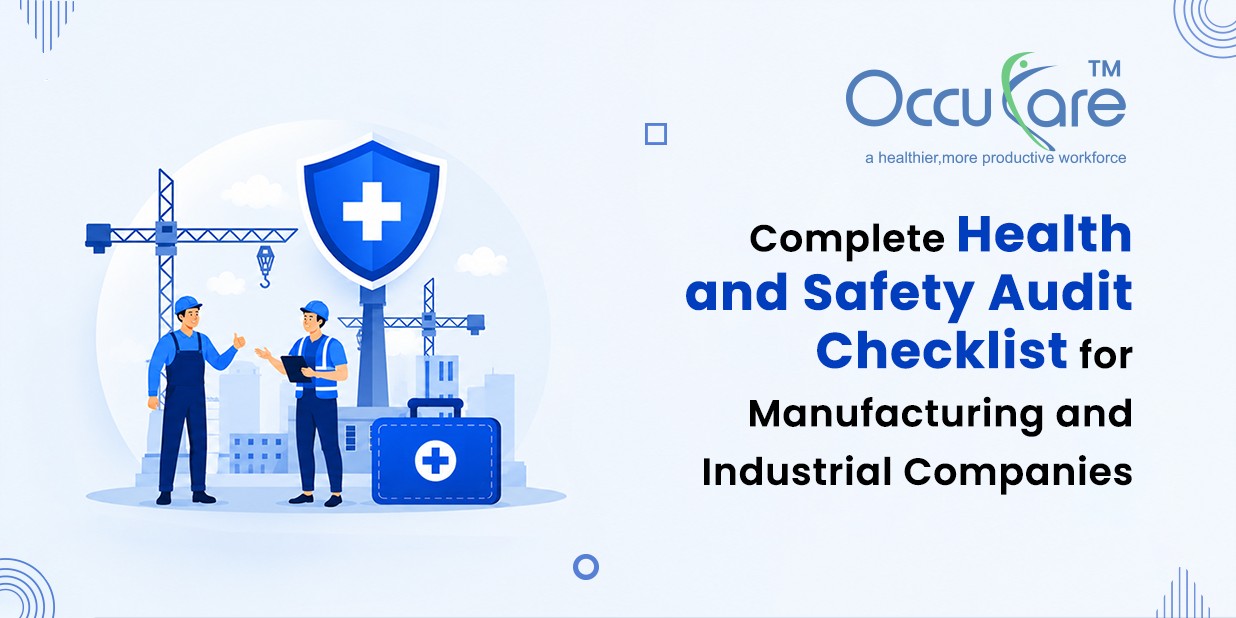
For manufacturing and industrial businesses, this site offers a comprehensive Health and Safety Audit Checklist. Essential inspection areas, compliance standards, risk management techniques, and the ways in which digital tools can expedite the process are all covered.
What is a Health and Safety Audit?
To ascertain if a business complies with internal standards and health and safety legislation, a health and safety audit is a methodical examination of workplace processes, safety practices, policies, and operational procedures. Audits assess the overall efficacy of a company’s safety management system, in contrast to routine inspections.
The primary goal of a safety audit includes:
- Identifying workplace hazards and operational risks
- Evaluating compliance with safety regulations
- Reviewing emergency preparedness measures
- Assessing employee awareness and training effectiveness
- Improving incident prevention strategies
- Reducing operational downtime and liabilities
Complex processes requiring machinery, chemicals, restricted areas, and high-risk jobs are common in manufacturing and industrial businesses. Frequent audits guarantee the safe and effective execution of these procedures.
Why Do Manufacturing and Industrial Companies Need Safety Audits?
Numerous safety issues arise in industrial settings. Even small mistakes can have serious repercussions, from equipment failures to chemical spills and ergonomic hazards.
A comprehensive audit helps organizations:
- Ensure Regulatory Compliance: Local labor laws, environmental rules, fire safety standards, and occupational safety requirements must all be adhered to by industrial firms. Before regulatory inspections, audits assist in identifying deficiencies.
- Prevent Workplace Accidents: Before incidents occur, audits find dangerous situations, faulty machinery, and dangerous employee behaviors.
- Improve Employee Safety Culture: Employees are encouraged to adhere to safety procedures and take part in workplace safety initiatives through regular reviews.
- Reduce Financial Losses: Accidents result in damaged equipment, production delays, legal penalties, and compensation claims. These expenses are greatly decreased by preventive audits.
- Enhance Operational Efficiency: Safe workplaces are more productive and well-organized. Audits reduce interruptions and optimize operations.
Complete Health and Safety Audit Checklist for Manufacturing and Industrial Companies:
Below is a detailed checklist covering the most important areas that manufacturing and industrial companies should evaluate.
1. Workplace Environment and Housekeeping:
A clean and organized workplace reduces accidents and improves efficiency.
Checklist:
- Floors are clean, dry, and free from obstructions
- Emergency exits are clearly marked and accessible
- Walkways and aisles are unobstructed
- Waste disposal systems are properly managed
- Spill containment procedures are in place
- Adequate lighting is available in all operational areas
- Ventilation systems are functioning effectively
- Noise levels are monitored and controlled
- Storage areas are properly labeled and organized
Slips, trips, and falls are among the most frequent workplace accidents in industrial settings, and they are frequently caused by poor housekeeping.
2. Machinery and Equipment Safety:
Industrial machinery can pose serious risks if not maintained or operated properly.
Checklist:
- Machinery guards are installed and functional
- Emergency stop buttons are accessible
- Equipment maintenance records are updated
- Lockout/tagout procedures are implemented
- Operators are properly trained
- Equipment inspections are conducted regularly
- Defective machinery is removed from service immediately
- Safety signage is clearly visible near hazardous equipment
- Power tools are inspected before use
Routine inspections play a vital role in ensuring machinery reliability and preventing accidents.
3. Fire Safety and Emergency Preparedness:
Manufacturing plants often handle flammable materials and high-temperature processes, making fire safety essential.
Checklist:
- Fire extinguishers are available and inspected regularly
- Fire alarms and detection systems are operational
- Emergency evacuation plans are displayed
- Employees are trained in fire response procedures
- Emergency exits are always accessible
- Sprinkler systems are maintained and tested
- Flammable substances are stored safely
- Emergency contact information is clearly displayed
- Mock drills are conducted periodically
An effective emergency preparedness plan can significantly reduce damage during critical situations.
4. Electrical Safety:
Electrical hazards are a major concern in industrial facilities.
Checklist:
- Electrical panels are properly labeled
- Exposed wires and damaged cables are repaired immediately
- Circuit breakers function correctly
- Electrical equipment is grounded properly
- Temporary wiring is minimized
- Lockout procedures are followed during maintenance
- Employees handling electrical systems are qualified
- Portable electrical equipment is inspected regularly
- Electrical rooms remain clean and accessible
Electrical audits help prevent shocks, burns, equipment damage, and fires.
5. Chemical Safety and Hazardous Materials Management:
Industrial companies frequently work with chemicals that require proper handling and storage.
Checklist:
- Safety Data Sheets (SDS) are accessible
- Hazardous chemicals are labeled correctly
- Employees are trained in chemical handling
- Spill kits are readily available
- Chemical storage areas are ventilated
- Personal protective equipment is provided
- Hazardous waste disposal follows regulations
- Chemical exposure monitoring is conducted
- Secondary containment systems are available
Proper chemical management protects workers and the environment.
Importance of Workplace Safety Inspection in Industrial Operations:
An essential component of any industrial safety plan is a workplace safety inspection. Inspections, as opposed to audits, are typically more regular and concentrate on locating current risks in particular locations.
Organizations benefit from routine inspections:
- Quickly identify dangerous situations
- Avoid equipment malfunctions
- Make sure workers adhere to safety protocols.
- Boost departmental accountability
- Decrease occurrences at work
Depending on operational risk levels, manufacturing businesses should plan inspections on a daily, weekly, monthly, or quarterly basis.
Common Challenges During Safety Audits:
Despite the importance of safety audits, many firms find it difficult to implement them.
- Incomplete Documentation: Audits are challenging due to missing records, out-of-date processes, and inconsistent reporting.
- Lack of Employee Participation: If workers don’t realize how important safety programs are, they might not report hazards.
- Manual Processes: Paper-based systems are time-consuming and prone to errors.
- Inconsistent Inspections: Without standardized checklists, inspections may overlook critical risks.
- Delayed Corrective Actions: Organizations sometimes identify issues but fail to resolve them quickly.
Addressing these challenges requires strong leadership, clear communication, and technology-driven solutions.
How Audit Management Software Improves Safety Audits?
Industrial safety management has greatly improved because of the digital revolution. Organizations may track compliance, automate inspections, and increase reporting accuracy by using audit management software.
Key Benefits include:
- Centralized Documentation: One system is used to hold all audit reports, inspection of data, permits, and remedial actions.
- Real-Time Reporting: Safety teams can instantly record observations, incidents, and compliance gaps.
- Automated Workflows: Tasks, reminders, and approvals are automatically assigned to responsible personnel.
- Data Analytics and Insights: Software solutions provide dashboards and trend analysis for better decision-making.
- Improved Compliance Tracking: Organizations can monitor regulatory requirements and avoid penalties.
Industrial businesses can improve operational control and visibility by digitizing safety procedures.
Benefits of a Strong Safety Audit Program:
Organizations that implement comprehensive audit programs experience multiple long-term benefits.
- Reduced Workplace Injuries
- Improved Employee Confidence
- Better Compliance Performance
- Lower Operational Costs
- Enhanced Productivity
- Stronger Business Reputation
Conclusion:
A structured health and safety audit system is essential for manufacturing and industrial organizations to proactively identify hazards, ensure regulatory compliance, and maintain a safe and productive work environment. By following a comprehensive checklist approach, companies can reduce workplace incidents, improve operational efficiency, strengthen safety culture, and avoid financial and legal risks associated with accidents and non-compliance.
With the growing complexity of industrial operations, adopting Health and Safety Software has become a key advantage for managing audits, inspections, documentation, and corrective actions more efficiently and transparently. OccuCare helps organizations streamline their occupational health and safety processes with digital solutions designed to improve compliance and workplace safety performance. Contact us for a free demo to see how you can transform your safety management system.