


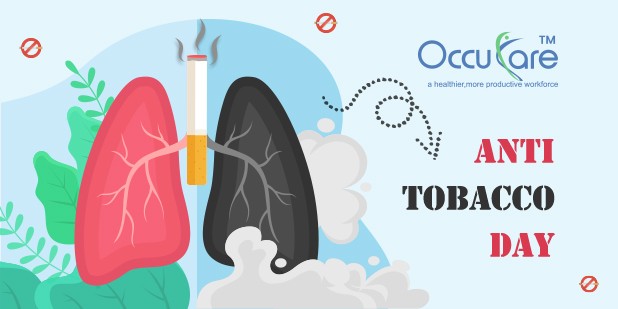
World no tobacco day is organized by the world health organization to raise awareness of the harmful effects of tobacco on health and advocate the implementation of policies to reduce tobacco consumption. Health Each year on May 31st, World No Tobacco Day is held to raise awareness of the harmful effects of smoking and to discourage tobacco use. One of the 2019 goals focuses on raising awareness of the “feasible actions and measures that key audiences, including the public and governments, can take to reduce the risks to lung health posed by tobacco”.
Tobacco use ranks among the world’s leading causes of death. Despite progress in reducing tobacco use, notably in high-income countries just as U. S., the worldwide price continues to be immense. the world Health Organization (WHO) estimates that quite eight million deaths p.a. Unit attributed to tobacco use, furthermore as quite one.2 million deaths among non-smokers exposed to second-hand smoke. As a results tobacco might be the number one reason for cancer mortality, and the strong implementation of effective tobacco management measures is important to reducing the worldwide cancer burden. The WHO established Day Exit, celebrated each year on May 31, to raise awareness of the extraordinary health hazards of tobacco.
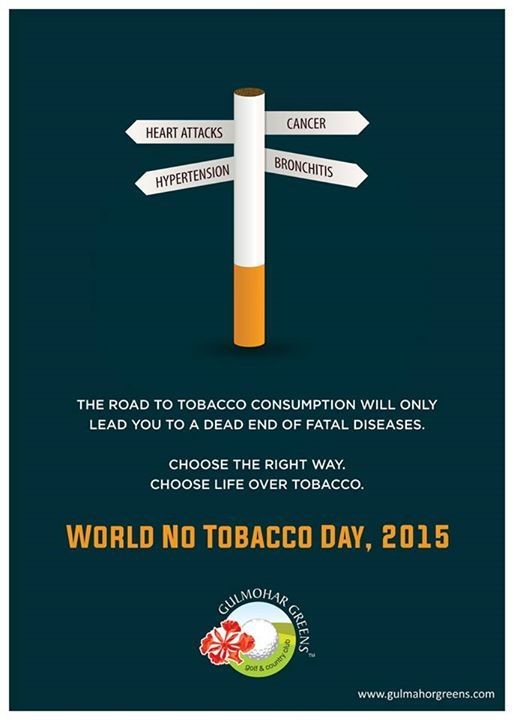
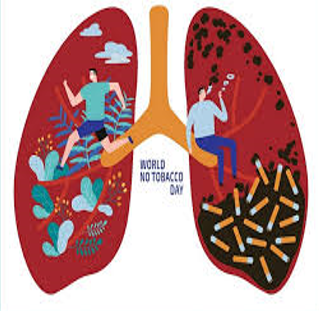
This yearly celebration informs the general public on the risks of the exploitation of tobacco, the business practices of tobacco firms, what WHO is doing to fight the tobacco epidemic, and what individuals around the world will do to say their right to health and healthy living and to shield future generations.
The Member States of the planet Health Organization created World No Tobacco Day in 1987 to draw world attention to the tobacco epidemic and also the preventable death and sickness it causes. In 1987, the planet Health Assembly passed Resolution WHA40.38, occupation for seven April 1988 to be “a world no-smoking day.” In 1988, Resolution WHA42.19 was passed, occupation for the globe No Tobacco Day celebration, each year on thirty-one might.
World No Tobacco Day: Protect Our Youth
Using any kind of tobacco product is unsafe, especially for kids, teens, and young adults. But worldwide, at least 14 million young people aged 13 to 15 currently use tobacco products, according to CDC’s 2006-2017 Global Youth Tobacco Survey. Tobacco companies, meanwhile, spend billions of dollars every year on marketing tobacco products, including cigarettes, cigars, e-cigarettes, and others. Since 1988, the World Health
Organization (WHO) has used the World No Tobacco Day external icon to focus on the harmful effects of cigarettes and alternative tobacco products on a person’s overall health. This year, the UN agency specializes in preventing youth tobacco product use and therefore the tobacco industry makes an attempt to draw in youth.
This World No Tobacco Day, learn what people and communities will do to assist keep tykes tobacco-free, or facilitate them quitting permanently. U.S. Youth and Tobacco: The Numbers In 2019, four-hundredth of U.S. Middle and high schoolers rumored ever victimization of any reasonable tobacco product—including e-cigarettes—and twenty-third aforesaid, that they had used a tobacco product within the past thirty days.
Studies show that the majority of adults within u. s. World Health Organization often use tobacco product started before the age of eighteen. Victimization of any tobacco product, together with e-cigarettes, is unsafe for youth. Tobacco products—including cigarettes, smoke-free tobacco, and most e-cigarettes—contain an alkaloid, that is associated with the degree of the habit-forming drug. Being exposed to alkaloids may also damage brain development, which continues through the teenage years and up to age twenty-five. Exposure to alkaloids throughout these vital years will damage the components of the brain that manage attention, learning, mood, and impulse management.
Secondhand Smoke—A Danger reception and Abroad
- At least five hundred million folks younger than fifteen in twenty-one countries are exposed to secondhand smoke.
- It’s a retardant within the United States: o 1 in four Americans, or concerning fifty-eight million folks, are exposed to secondhand smoke.
- Children (age 3–11) have the best exposure to secondhand smoke compared to other people.
- African Yankee kids are additional seemingly to be exposed to secondhand smoke than kids of alternative racial/ethnic teams.
- Quitting smoking and adopting smokeless policies help shield the health of individuals WHO don’t smoke. Targeting Young People.
The younger a person starts using tobacco products, the more likely they are to become dependent on nicotine. The tobacco industry uses this information to attract youth and young people to their products through ads and sponsorships in stores, online, in media, and at cultural events.
Studies within the U.S. and alternative countries have shown that a lot of ads for tobacco merchandise a juvenile person sees, a lot of seemingly they’re to use tobacco merchandise. The U.S. Sawbones General has additionally aforesaid, that seeing individuals smoke in movies makes youth a lot of probably to smoke. Though the amount of films rated PG-13 or lower that feature smoking has gone down within the past fifteen years, the films that do show smoking show it a lot of usually.
The flavors in tobacco merchandise, together with e-cigarettes, create these merchandise appealing to youngsters and youths. Since 2009, tobacco firms haven’t been allowed to sell cigarettes in flavors aside from application within the U.S. Still, youth area unit additional seemingly than adults to smoke ar cigarettes. Flavoring is additionally a significant driver of e-cigarette use among youngsters. Quite a pair of out of three youth UN agencies presently uses e-cigarettes use tasteful e-cigarettes and flavors are a serious reason they report beginning to use e-cigarettes. Check out the best Occupational Health and Safety Software, EHS Software.
The Danger of E-Cigarettes for Youth
Since 2014, most U.S. Youth United Nations agencies aforesaid, that they had ever used tobacco products reportable victimization e-cigarettes, and also the proportion has grown up over time. E-cigarettes generally contain phytotoxin, and newer e-cigarettes use a replacement sort of it known as phytotoxin salts, which build it easier to inhale higher levels of phytotoxin. Because of the recent rise in e-cigarette use by U.S. Middle and high school students, government agency offers resources for fogeys and teachers, and to assist them to talk over with youngsters regarding e-cigarettes.
What You Can Do?
Everyone—from those who influence youth directly to whole communities—can help prevent children, teenagers, and young adults from trying and using tobacco products.
Parents and other caregivers can:
- Set a good example by being tobacco-free (call 1-800-QUIT-NOW or visit smokefree grow external environment for help with quitting)
- Talk to kids about the harms of tobacco products, including e-cigarettes
- Know what children watch, and talk about tobacco use on-screen
- Tell kids you expect them not to use tobacco products or to stop using them
- Refuse to give tobacco products to kids, teens, or young adults.

