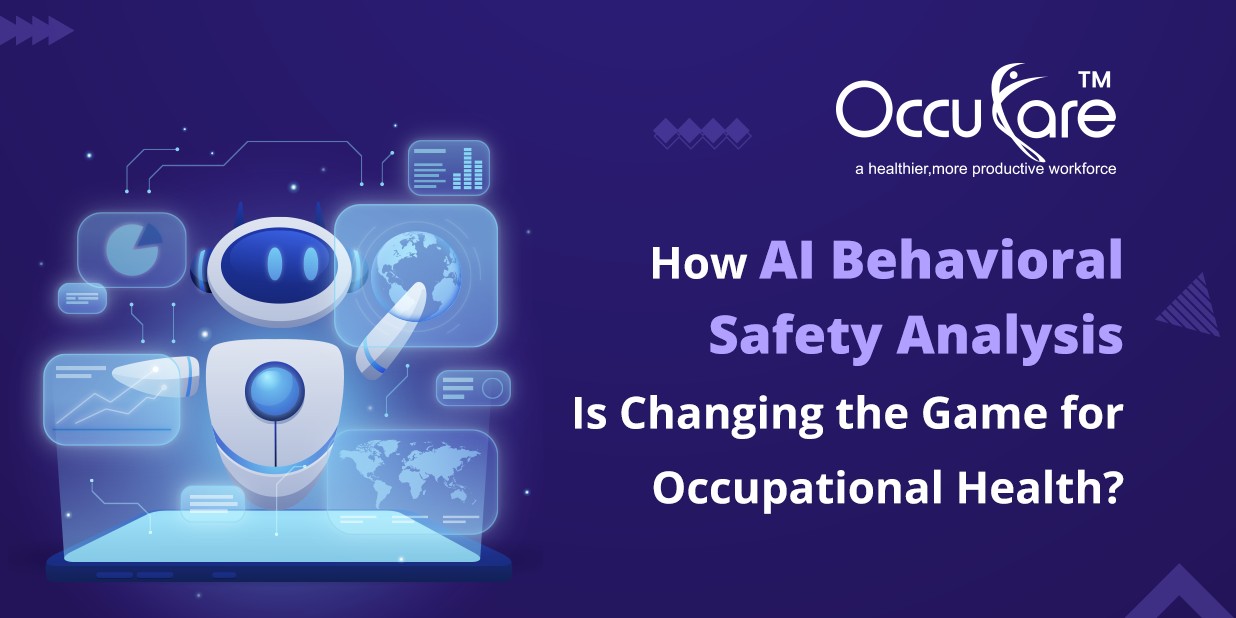
Safety in the workplace has never been only about helmets, alerts, and compliance checklists. It’s a dynamic process that is reliant on people’s routines. Although engineering controls, regulations, and technology are vital, how people act is ultimately what makes or breaks safety. Safety programs used to mostly rely on investigation of incidents, training sessions, paper-based observations, and supervisors pacing the floor. Although these techniques are effective, their scope is constrained, and they are reactive. A new era is now beginning. Organizations can now continually and extensively analyze, understand, and influence workplace behavior in order to prevent problems before they happen thanks to artificial intelligence, particularly in the form of AI Behavioral Safety Analysis.
Human behavior is the last stage before risk turns into harm, which is why it is so important to Occupational Health. Numerous events that occur at work are not random; rather, they are the consequence of repeated risky behaviors that are frequently made worse by operational or environmental factors. Historically, identifying these behaviors required a human observer, and as no one can constantly monitor everything, many dangerous activities and near-misses remained unreported. This equation is altered by AI. By monitoring continuous streams of data from ambient sensors, gadgets with cameras, and machine data collection, AI-BSA system can offer an unbiased perspective of workplace activity, highlighting issues and patterns that would otherwise go unnoticed.
Real-World Applications of AI in Occupational Safety Across Industries:
There are many different applications. Artificial intelligence (AI) technologies are already being used in construction to detect when workers are in the blind spot of large machinery, monitor ladder use for risky posture, and identify personnel working too close to edges without harnesses. Similar technologies are used in manufacturing and warehousing to identify recurrent difficult postures, twisting during lifts, and transporting loads that are too heavy for ergonomics. By identifying inappropriate patient transfers, guaranteeing PPE compliance, and even tracking workload trends to identify burnout concerns, artificial intelligence is assisting the healthcare industry in reducing nursing injuries. AI has been utilized by logistics and transportation companies to identify driver fatigue, identify hazardous routes, and provide safer driving instruction. AI-driven posture detection even helps office settings by reminding desk workers to take breaks or reposition their chairs to avoid putting undue pressure on their musculoskeletal systems.
How AI Behavioral Safety Systems Work?
AI Behavioral Safety Systems technically use a range of sophisticated AI techniques. Real-time body posture and movement estimation is possible with computer vision models, which are frequently trained on hundreds of annotated photos. Models for temporal action recognition can then recognize a series of motions, such as lifting, bending, reaching, and twisting, and determine if they are safe or dangerous. Camera data can be supplied by wearable devices equipped with gyroscopes and accelerometers, improving the system even in situations where the image is partially obscured. By analyzing previous data, observed behaviors, and factors like weather, production load, or time of day, machine learning can predict the chance of an event during an exact shift or location.
Key Benefits of AI-Driven Safety Analysis:
When carefully applied, the advantages can be significant. Organizations adopting AI-BSA generally report considerable decreases in injury frequency and severity. This is because of the reality that hazardous behaviors are identified sooner and that safety discussions are based on verified information. Instead of sending out general reminders, coaching may be more immediate and customized to the specific harmful behaviors that are being noticed. The same information can guide smarter scheduling, workflow adjustments, and environmental redesigns—all of which help to lessen the true causes of risky behavior. AI-BSA has the chance to slowly transform the safety culture from a position of reactive blame to one of proactive problem-solving.
The human aspect must therefore continue to be crucial. Employees should be made aware of what is being watched, why, and the intended use of the data. They need to be involved in the development and testing of these technologies, ideally.
How to Implement AI-BSA: A Step-by-Step Guide for Organizations?
It is best for businesses thinking about AI-BSA to take a staged approach. Choose a pilot location where conditions are ideal and begin with a clear safety goal, such as reducing back injuries in a particular department. Involve stakeholders early on, such as worker groups or unions, and deal with legal compliance right away. Set up the technical infrastructure, start with advising feedback instead of punitive measures, and evaluate AI models in restricted environments. Get input, improve the system, and then progressively grow. Incorporating technology into a living safety process that changes with the workplace is the aim, not merely installing it.
Conclusion:
As workplace risks evolve, so must our strategies to manage them. AI Behavioral Safety Analysis isn’t just a technological upgrade—it’s a strategic investment in workforce health, operational efficiency, and long-term cost reduction. By proactively identifying unsafe behaviors before they lead to incidents, organizations can significantly reduce injuries, minimize downtime, and build a culture rooted in prevention and accountability.
At OccuCare, our AI-powered health and safety platform enables businesses across industries to turn workplace data into actionable insights. Whether you’re in construction, healthcare, logistics, or manufacturing, our customizable solutions are designed to align with your safety goals, compliance needs, and workforce dynamics.
Contact us today to schedule a free demo and see how AI can transform your occupational health strategy.