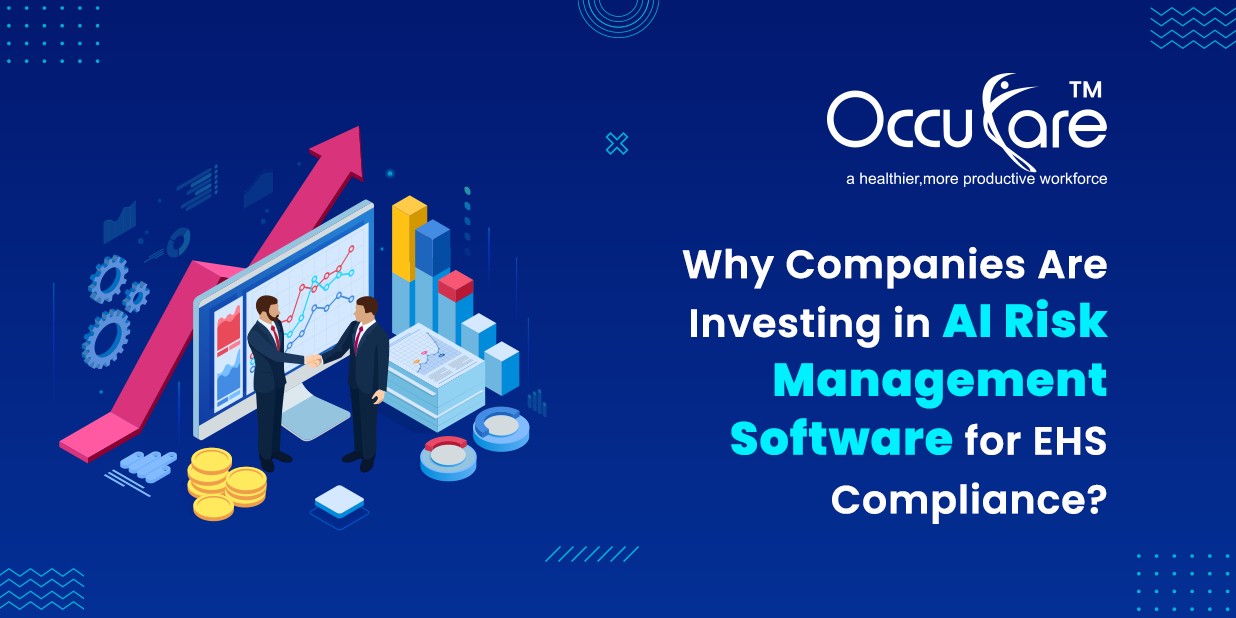
In the current environment, with a strong emphasis on regulation and risk assessment, businesses face immense pressure to comply with all necessary EHS requirements. Conventional methods of risk management, such as auditing, the use of spreadsheets, and reporting, are not enough. In this regard, the need for AI Risk Management Software is becoming evident.
It’s important to note that using the AI Risk Management System is not only about embracing a new technology but also about changing the paradigm of risk management itself. Let’s take a closer look at why businesses are spending millions of dollars on AI solutions for EHS compliance.
Increasing EHS Compliance Complexity:
There is an increasing trend towards stricter regulatory frameworks in manufacturing, construction, oil & gas, and pharmaceutical industries. Organizations must navigate through multiple standards while guaranteeing their employees’ well-being and minimizing their environmental impact.
Difficulties arise from:
- Data analysis on a large scale
- Finding hidden threats
- Maintaining compliance in real-time across all locations
- Human errors during risk assessment
Conventional solutions are unable to cope with this level of complexity. Here comes the role of AI-based Risk Assessment Tools.
What is AI Risk Management Software?
AI-based Risk Management Software relies on machine learning and data analysis to facilitate risk management procedures. Such applications can process historical information, find correlations, and identify potential risks in advance.
Main modules of AI Risk Management Systems:
- AI Risk Assessment Software
- Risk Control Matrix Software
- EHS Software platforms for real-time monitoring
Primary Motivations for Firms Adopting AI Risk Management Software:
1. Proactive Identification of Risks Using AI-based Risk Assessments:
The most significant benefit of AI systems is their predictive capability, which traditional approaches do not have. As opposed to conventional practices that focus on past events, AI-based Risk Assessment Tools can detect any future risks based on patterns and trends.
For example, AI can:
- Predict unsafe working environments
- Detect equipment malfunctions based on sensor readings
- Identify compliance violations in real time
This preventive measure will lower the number of workplace accidents significantly.
2. Increased Accuracy and Reduction in Human Error:
Conventional risk assessments can be inaccurate, inconsistent, and subject to error due to human mistakes. However, AI will eliminate all those flaws through standardization and data-driven decision-making.
The primary benefits are:
- Consistency in risk evaluation scores
- Automation of the verification process
- Decreased reliance on inspections
It ensures that organizations get accurate and consistent risk evaluations.
3. Continuous Monitoring and Quick Response Times:
Contemporary EHS software, integrated with AI technology, supports the real-time monitoring of safety metrics and environmental factors.
These features enable firms to:
- Act immediately to address safety incidents
- Monitor compliance levels in real time
- Make timely decisions based on data
For example, if a risk factor is identified, the software may issue alerts and propose a solution.
4. Seamless Integration with Enterprise Risk Management Software:
EHS risks do not exist in isolation but are part of an enterprise-wide risk environment. The integration of AI technology with Enterprise Risk Management Software gives organizations an opportunity to analyze and manage all their risks.
This integration will enable:
- Alignment of EHS with business objectives
- Cross-departmental collaboration
- Corporate governance
By linking EHS risks with financial, operational, and strategic risks, organizations get a more comprehensive risk picture.
5. Better Risk Control through Risk Control Matrix Software:
It is indispensable when it comes to linking risks with appropriate control measures. AI takes this concept one step further by suggesting appropriate controls based on past performance and industry best practices.
Some benefits include:
- Automatic suggestion of appropriate controls
- Continuous monitoring of control effectiveness
- Updating of risk-control linkage
This ensures that not only are risks identified, but also mitigated.
6. Cost Saving and Increased Operational Efficiency:
The use of AI requires upfront investment but will eventually result in cost reductions.
Specific cost savings include:
- Reduced employee accidents and associated compensation costs
- Avoiding costly fines and penalties
- Minimized downtime caused by equipment failures
Also, automation increases operational efficiency.
7. Regulatory Compliance and Audit Preparedness:
Regulatory compliance is a key issue for organizations. The EHS software powered by AI makes it easy to maintain regulatory compliance by storing relevant information up to date.
Key features:
- Automatic compliance monitoring
- Digitized audit trail
- Instantaneous report generation
The process becomes more efficient and minimizes possible fines resulting from non-compliance issues.
8. Data Analytics and Report Generation:
AI solutions deliver high-level capabilities in data analytics and reporting, helping businesses generate valuable insights from their raw data.
Specific benefits:
- High-risk area identification
- Safety performance trends identification
- Predictive reports
Such information is vital to making strategic decisions that promote safety improvement.
Examples of Implementing AI for EHS Risk Management:
Today, organizations use AI in various industries to ensure EHS compliance:
- Manufacturing companies benefit from predictive maintenance and reduced risk of machine-related dangers
- In construction, AI analyzes the workplace environment and helps prevent accidents
- AI monitors environmental risks for oil & gas companies
- AI ensures compliance with safety regulations for pharmaceutical manufacturers
Challenges to Consider:
Although there are plenty of benefits to consider, companies should think about the following obstacles:
- High implementation costs;
- Data quality and integration issues;
- Requirement for skilled personnel capable of operating AI solutions;
- Organizational resistance to change
But all those difficulties can be easily overcome if adequate preparations and necessary training are conducted.
Future of AI in EHS Risk Management:
In terms of EHS risk management, the future is AI-based. We can expect to see even more:
- Advanced data prediction capabilities;
- IoT device integration for real-time data collection;
- Process automation;
- Adaptive AI Risk Assessment Tool
Companies willing to implement such technological advancements into their risk management strategy will certainly have a competitive advantage due to better workplace safety and efficient compliance processes.
Conclusion:
As workplace safety regulations become more complex and industries continue to prioritize compliance, investing in AI Risk Management Software is now essential for organizations aiming to build safer and more efficient work environments. AI-powered EHS solutions enable businesses to proactively identify risks, automate compliance monitoring, reduce human error, and improve operational efficiency through real-time insights and predictive analytics.
At OccuCare, we empower organizations with intelligent Occupational Health and Safety solutions tailored to modern business challenges. Our AI-driven EHS platform helps businesses streamline compliance processes, enhance workplace safety, and make data-driven decisions with confidence. Contact us today for a free demo and discover how our smart EHS solutions can help your organization achieve better compliance, reduced risks, and long-term operational excellence.