Businesses that want to preserve compliance and enforce safety standards must keep ahead of legislative developments in the dynamic field of ecological, Wellness, and Safety (EHS) management. As the digital era progresses, mobile technology has emerged as a revolutionary tool that gives enterprises the adaptability and agility they require to adjust to changing regulatory landscapes. An important turning point for the industry has been reached with the recent adoption of a rule that highlights the need for mobile-enabled EHS software.
Advancement of Ecological Safety and Health Services:
The Environment, Health, and Management have traditionally relied on on-premise software programs, copious amounts of paperwork, and manual processes. These antiquated techniques are frequently proven to be laborious, error-prone, and time-consuming. Technology advancements led to the emergence of cloud-based EHS Management Software, which improved accessibility and streamlined procedures. But what has really changed is how companies handle EHS management thanks to the incorporation of mobile capabilities.
Ascent of Mobile-Enabled:
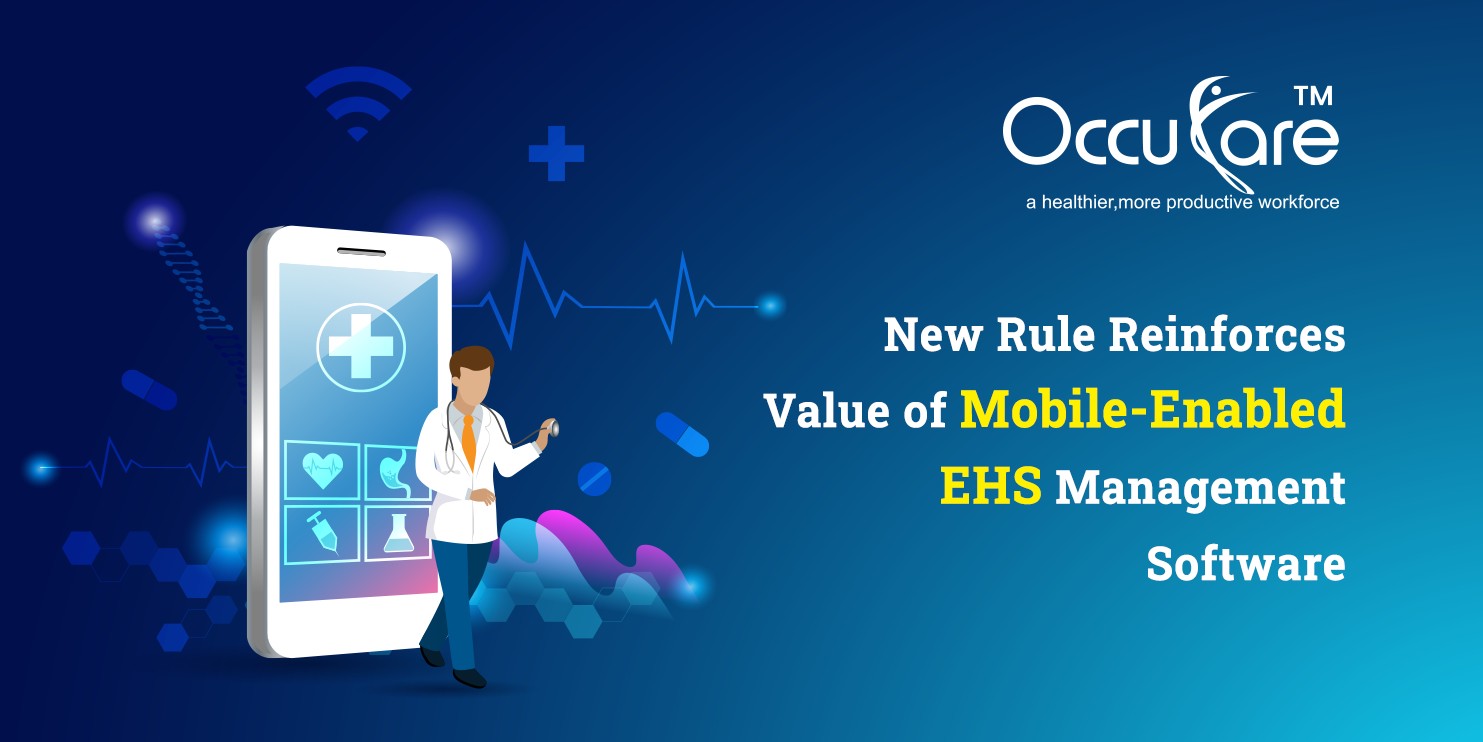
Occupational Health and Safety Software. With the help of mobile-enabled EHS software, businesses can expand their safety initiatives outside of the workplace. With the use of this technology, staff members may do inspections, report issues, and get vital information whenever and wherever they are. The flexibility provided by mobile solutions increases overall workplace safety as well as the effectiveness of EHS procedures.
Recognizing the New Regulation:
The new rule’s introduction highlights how crucial mobile technology is becoming to EHS compliance. The rule’s specifications highlight how enterprises must implement mobile-enabled EHS software in order to improve their capacity to adhere to rules, track safety metrics, and react quickly to occurrences. Let’s examine the main features of the regulation that highlight the benefits of EHS software that is mobile-enabled.
Reporting in real time and handling incidents:
The new rule places a strong emphasis on the necessity of real-time incident reporting. Conventional reporting techniques can result in gathering information and submission delays, making it more difficult to react quickly. Employees may report events instantly using mobile-enabled EHS software, giving employers real-time visibility into possible risks and empowering them to act quickly to address them.
Mobile Compliance Observing:
EHS regulatory compliance is a continual process that needs constant observation. Real-time compliance tracking is crucial, and mobile-enabled solutions shine in this area, as the new rule highlights. When it comes to carrying out inspections, keeping track of training materials, or keeping an eye on the upkeep of equipment, mobile EHS software makes sure that businesses always have the most recent information available, which makes proactive compliance management easier.
Improved Interaction and Instruction:
Fostering an atmosphere of safety in a business requires effective communication. Mobile-friendly EHS management software makes it easier for individuals, groups, and management to communicate with each other. It also offers a platform for distributing training modules while on the road, making sure staff members are up to date on safety procedures and recommended practices. This proactive strategy complies with the new rule’s criteria and promotes a safer work environment.
Improved Interaction and Education:
In a company, creating a culture that is secure culture requires effective communication. EHS software with mobile functionality makes it easier for individuals, groups, and management to communicate with each other. Furthermore, it offers a platform for distributing training modules while on the go, guaranteeing that staff members remain knowledgeable about safety procedures and optimal practices. In addition to complying with the new rule’s requirements, this proactive strategy makes the workplace safer.
Commercial Case for EHS Management Software With Mobile Capability:-
Organizations are prompted to reassess their EHS management strategy in light of the new rule, which provides strong support for the use of mobile-enabled software. Adopting this cutting-edge technology has many business advantages in addition to regulatory compliance.
1. Financial Savings:
EHS software with mobile functionality eliminates the need for manual data entry, paper-based procedures, and on-site inspections. Time, materials, and resource costs are significantly reduced as a result. Furthermore, being able to respond quickly to issues might help reduce the possibility of future expenses from mishaps or fines for non-compliance.
2. Enhanced Output:
Productivity can significantly improve with the use of EHS software, particularly through its mobile accessibility. Employees can complete tasks, submit reports, and access essential information while on the go, reducing downtime and improving workflow efficiency. When integrated with an EHR System, EHS processes become more streamlined, flexible, and efficient, enabling organizations to manage safety and health-related activities with greater ease.
3. Increased Workplace Morale:
Employee engagement increases the likelihood that they will follow safety procedures and take an active part in EHS programs. Employees may now actively report events, participate in training, and foster a culture of safety thanks to mobile-enabled solutions. An atmosphere of safety is fostered by this increased engagement.
4. An edge over competitors:
Companies that show a dedication to Environmental excellence have an advantage in a market where ecology and social responsibility are becoming more and more important. Using mobile-enabled EHS software puts companies in a leadership position when it comes to encouraging responsibility for the environment and worker safety. It also assures compliance.
Future Prospects for Mobile-Enabled EHS Management:
With its emphasis on the critical role that mobile technology plays in attaining and upholding compliance, the new rule represents a paradigm change in EHS management. Organizations that adopt mobile-enabled EHS software put themselves in a position to prosper in a regulatory environment that is always changing. Future developments in mobile technology are anticipated, along with the incorporation of IoT devices, augmented reality, and artificial intelligence. EHS management will be able to take advantage of even more information, technology, and predictive capabilities thanks to these advancements.
In summary, a good development in the industry is being sparked by the new rule that emphasizes the importance of a mobile-enabled EHS system. Enterprises that grasp this chance to welcome innovation will guarantee adherence while also opening up a plethora of advantages that support a more secure, environmentally friendly, and competitive future. The path towards excellence in mobile-enabled EHS is already underway, and those who choose to travel this path now will have a lasting impact on compliance and safety in the future.