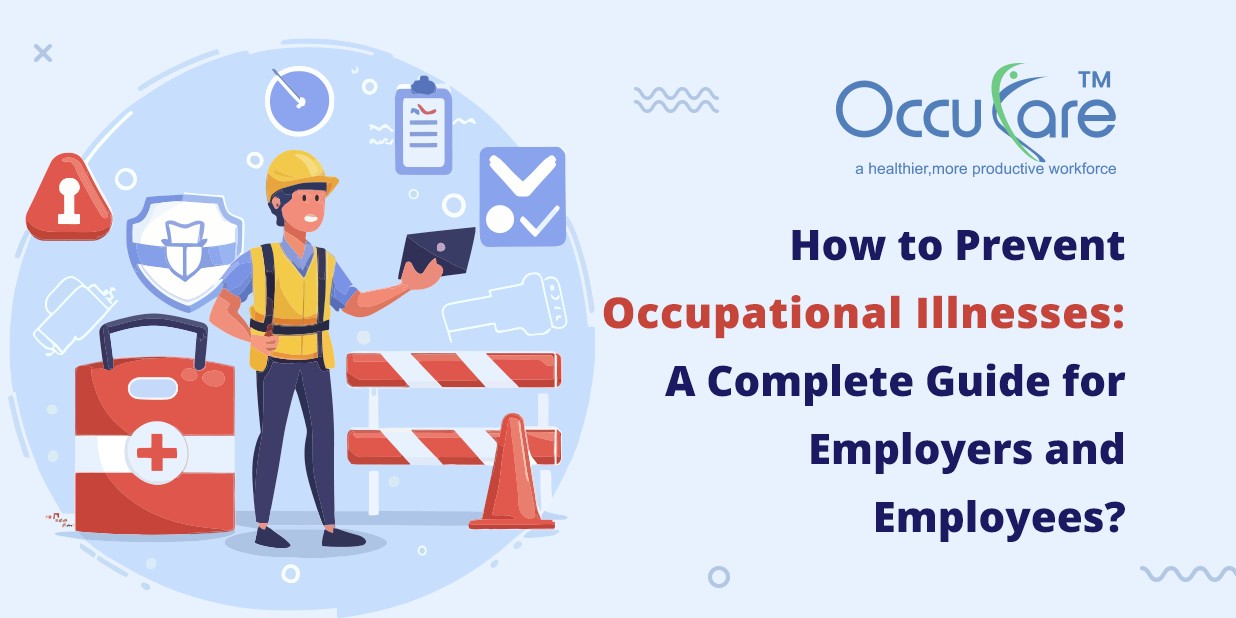
Occupational illnesses and trauma are significant concerns for employers and employees alike. They not solely affect the health and well-existence of workers, but they can as well direct to increased health care costs, lose productivity, and possible legal outcome. Both employer and employee have a role to play in preventing occupational disease and harm. In this comprehensive guide, we will explore practical direction to prevent occupational sickness, provide sixth sense into occupational health and guard software, and foreground the importance of a strong work safety culture.
Understanding Occupational Illnesses and Injuries:
Before delving into bar strategies, it is of import to empathize what occupational wellness and trauma are.
Occupational Illnesses:
Refer to conditions caused or aggravated by exposure to harmful substances or nerve-wracking work surroundings. These conditions typically develop over meter due to long-condition exposure and can lead in inveterate health problems. Examples of occupational illnesses include respiratory diseases (e. g., asthma attack and silicosis), skin upset (e. g., dermatitis), and musculoskeletal disorderliness (for instance, carpal burrow syndrome).
Occupational Diseases:
Are disease that are straight off link up to work, such as lung disease in mineworker due to exposure to detritus or discover departure in actor due to invariant brassy stochasticity exposure. The chief agent distinguishing occupational illnesses and disease is the type of stipulation and the environs that make it.
Occupational Illnesses and Injuries:
Combine both the disease and physical injuries that may occur in the workplace. Combat Injury can find now due to stroke (e. g., falls, cuts, and fractures), while illnesses may have longer to evidence, making it unmanageable to diagnose the cause of the problem.
Impact of Occupational Illnesses and Injuries:-
Occupational sickness and injuries give birth far-reaching result. They can lead to:
Health Consequences for Employees:
Longsighted-term exposure to hazardous status can stimulate serious illness or permanent disabilities, affecting proletarian’ quality of life.
Financial Strain on Employers:
Employer may face compensation claim, increased policy exchange premium, legal fee, and the costs of lost productivity. Decreased Productivity: Employee who are sick or offend may miss work or be less effectual while working, guide to decreased output and performance. In many causa, these events can be mitigated with proactive bar scheme and a focusing on workplace safety.
Key Causes of Occupational Illnesses and Injuries:-
Empathize the root effort of occupational illnesses and wound can help employer and employees convey the necessary steps to reduce danger. Plebeian do include:
1. Exposure to Hazardous Chemicals:
Employee in industriousness such as expression, manufacturing, and agribusiness may come into liaison with harmful chemicals, smoke, or dust that can lead to respiratory disease, skin consideration, and cancers.
2. Insistent Motion:
Jobs that require insistent social movement, such as typing, assembly lineage work, or fleshy lifting, can head to musculoskeletal injuries such as carpal tunnel syndrome, hind painful sensation, or joint issues.
3. Slips, Trips, and Falls:
Wet floors, cluttered walkway, and uneven surfaces contribute to slip, trip, and fall accidents, which are among the leading causes of workplace injuries.
4. Workplace Stress:
Chronic stress due to problem need and poor piece of work-sprightliness balance can lead to genial wellness egress such as anxiety, depression, and burnout.
5. Poor Ergonomics:
Lack of ergonomic equipment, such as properly conform president or workstations, can contribute to strong-arm variant and injuries.
6. Inadequate Training:
Doer who are not adequately trained in safety procedures or the proper exercise of equipment are at an eminent risk of accidents and injuries.
7. Noise and Vibration:
Prolonged vulnerability to loud noise or vibration in industries such as construction or manufacture can have seen loss and other wellness problems.
Empathize the root effort of occupational illnesses and wound can help employer and employees convey the necessary steps to reduce danger.
Impact of Occupational Illnesses and Injuries:-
The import of occupational illnesses and injuries are far-reaching. Not only do they affect the strong-arm and mental health of employees, but they also create a financial burden on both prole and employers.
Health Consequences for Employees:
For employees, the effects of occupational illnesses and combat injury can range from meek to severe. In some character, employees may face permanent disability, long-term wellness status, or yet expiry. Continuing illnesses like silicosis or carpal tunnel syndrome can pass to a diminish quality of life, while mental health conditions such as natural depression can lead to excited and psychological tolls.
Fiscal Consequences for Employers:
For employers, occupational malady and injuries leave in significant financial costs. This includes:
- Healthcare Costs: Employer may face high medical expenses for Plow injured or ill employees.
- Compensation Claims: Proletarian’ compensation claim are common in industries with mellow occupational health risks.
- Lost Productivity: Employee who are sick or injured may miss work, resulting in a loss of productivity.
- Legal Costs: Employer who does not follow with rubber regulations may face up legal natural action, admit fines and lawsuits.
- Legal Responsibilities and Regulations: Employers have a legal obligation to ensure the condom and fountainhead-existence of their employee. Several governmental offices, let in the Occupational Safety and Health Administration (OSHA) in the U.S enforce workplace health and refuge regulations. These regulation outline employers’ tariff to extenuate endangerment and forbid damage to employees.
To Boot, doer let right wing under these rules, such as the right to cover unsafe working conditions without fear of retaliation. It is crucial for employers to read this legal duty and for employees to be cognizant of their right wing in the workplace.
Incorporating Occupational Health and Safety Software into workplace safety management is essential for streamlining processes and ensuring compliance. These software systems can help employers track incidents, manage risks, monitor compliance, and keep detailed records of safety training. This software often includes:
- Incident Reporting Tools: Allowing employees to report safety hazards or accidents in real time.
- Risk Assessment Capabilities: Identifying potential hazards in the workplace and suggesting preventive measures.
- Compliance Tracking: Ensuring that all safety regulations are being met, reducing the risk of legal issues.
- Training Management: Tracking the completion of safety training by employees and ensuring certifications are up to date.
Popular software platforms like Gensuite, Safety Culture, and Intelex provide these capabilities, helping employers stay organized and proactive in maintaining a safe workplace.
Conclusion:
Preventing occupational illnesses and injuries requires a comprehensive approach that combines safety protocols, risk management, employee training, and wellness programs. Employers and employees must work together to create a safe and healthy work environment. By implementing effective prevention strategies and leveraging Occupational Health & Safety Software and Employee Wellness Software, workplaces can reduce the risk of occupational diseases, improve employee health, and boost overall productivity.
By fostering a culture of safety and well-being, employers not only protect their employees but also ensure the long-term success of their organization. Prioritizing occupational health and safety is an investment in both the workforce and the bottom line.