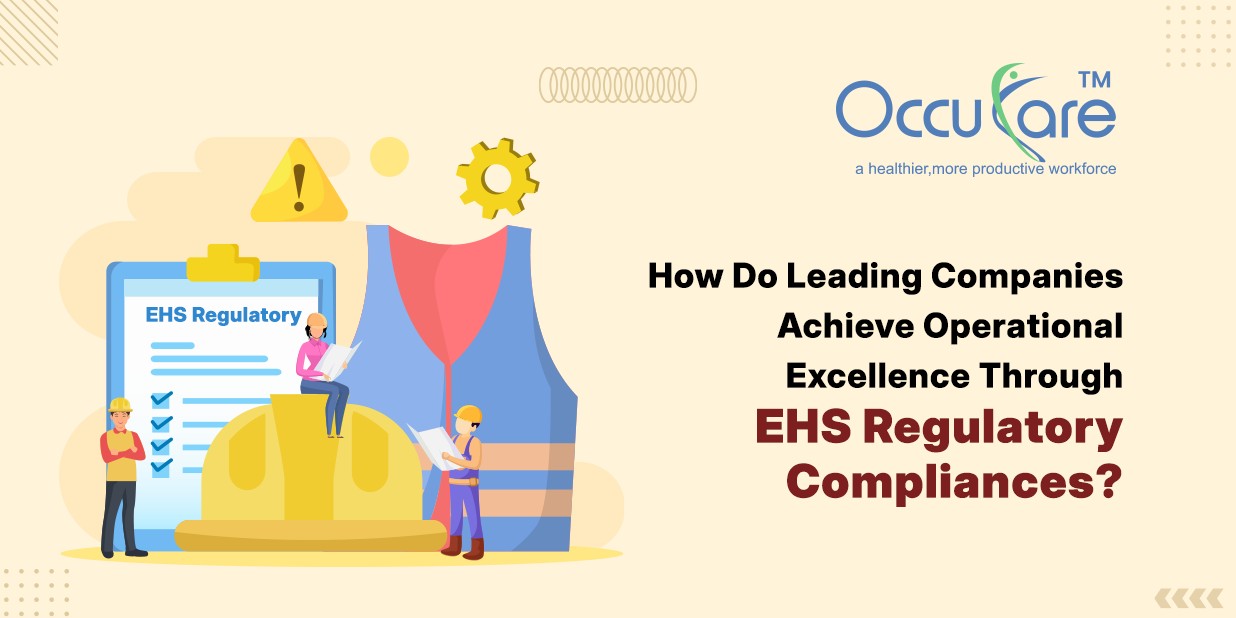
Operational excellence in the fast-paced business environment of today involves flexibility, safety, and sustainability along with efficiency. Compliance with environmental, health, and safety (EHS) regulations is essential to this change. It becomes the foundation of corporate efficiency rather than a burden. Organizations lower risks, create safer environments, save money, and improve overall performance through bringing EHS Software into core operations.
What Do Operational Excellence Mean in the Modern World?
Operational excellence is basically about continuously carrying out business plans more successfully and efficiently than the competition. However, lean manufacturing, Compliance Audit Management, and productivity increases are not the only factors in today’s corporate environment. The following are integrated by true operational excellence:
- Safety of workers
- Stewardship of the environment
- Adherence to regulations
- Controlling risks
- Participation in culture
- Functional EHS framework
When a business operates with zero harm, zero infractions, minimal disruptions, and maximum stakeholder trust, it has achieved operational excellence. To achieve this, EHS compliance must be ingrained in operations, going beyond the fundamentals.
How Top Businesses Combine Operational Excellence with EHS Compliance?
Let’s examine the main ways that top-performing companies incorporate EHS compliance into their quest for operational excellence.
1. Culture and Leadership Commitment:
Without leadership, nothing significant occurs. The tone is set at the top of major organizations. A safety officer is not given EHS authority by executives and then leaves. Rather, they
- Promote environmental and safety objectives in public
- Provide sufficient funds and resources
- Include EHS data in executive dashboards
2. Active Risk Control:
Successful companies view risk management as an ongoing, structured approach. Instead of simply waiting for audits or accidents to highlight weaknesses, they constantly identify and evaluate risks associated with:
- Risks at work
- Effects on the Environment
- Failure of the Equipment
- Managing chemicals
- Strain from ergonomics
3. Systems of Integrated Management:
Industry leaders create integrated management systems that connect EHS with the following instead of considering it as a silo:
- Management of quality
- Controls of operations
- Supply chain procedures
- Systems for maintenance
- Human resources
- Governance of corporations
4. Education and Employee Involvement:
The strength of compliance depends on who is putting it into practice. Operational excellence leaders make significant investments in:
- Frequent, position-specific EHS instruction
- Refresher courses and competency evaluations
- Programs for onboarding new employees and contractors
- Drills, scenario-based learning, and simulations
- Microlearning for remote or dynamic groups
5. Operational discipline and standardization:
Operational excellence is characterized by consistency. Prominent businesses create and implement standard operating procedures that:
- Include the requirements of the law and regulations
- Add environmental and safety safeguards
- Clearly define your roles
- Are routinely checked and updated
6. Management of Regulatory Change:
Both regulations and adherence to them are dynamic. International leaders keep a close eye on regulatory trends by:
- Legal database subscriptions
- Interaction with trade associations
- Working together with legal and compliance professionals
- Automated alerts and regulatory watchlists
7. Compliance with the Supply Chain and Contractors:
A business’s operations are only as good as its weakest link, and suppliers and contractors are no exception. Leading companies make sure that:
- Prior to onboarding, vendors fulfill EHS requirements
- Safety training is given to contractors
- Activities that are outsourced are checked for compliance
- EHS requirements are incorporated into SLAs and contracts
- Regular supplier audits and evaluations are carried out
This all-encompassing strategy stops third parties from introducing compliance violations, which can be expensive and harm a company’s brand.
Conclusions:
In today’s complex and high-stakes business environment, operational excellence is no longer just about efficiency—it’s about resilience, sustainability, and proactive risk management. Industry leaders understand that integrating EHS compliance into their core strategy isn’t just about avoiding penalties—it’s about building safer workplaces, reducing operational disruptions, and enhancing long-term business performance.
At OccuCare, we empower organizations to make this transformation by offering advanced Audit Management Software that streamlines compliance, improves visibility, and fosters a strong safety culture across the enterprise. Whether you’re navigating global regulations or aiming to elevate your safety standards, our tools help you stay compliant, proactive, and ahead of the curve.
Ready to turn EHS compliance into a driver of operational excellence? Contact OccuCare today to discover how our solutions can help your organization unlock its full potential.