The importance of preserving the well-being, security, and health of employees in the quickly changing business environment of today cannot be underlined. To manage their Environmental, Health, and Safety (EHS) responsibilities, organizations must implement effective approaches, whether it be by understanding possible risks, preserving regulatory compliance, or cultivating a culture of safety. EHS software has become a vital tool as businesses attempt to improve worker safety while adhering to a growing number of complicated requirements. In addition to ensuring employee safety, companies can increase operational effectiveness and continuously enhance their health and safety initiatives by utilizing technology.
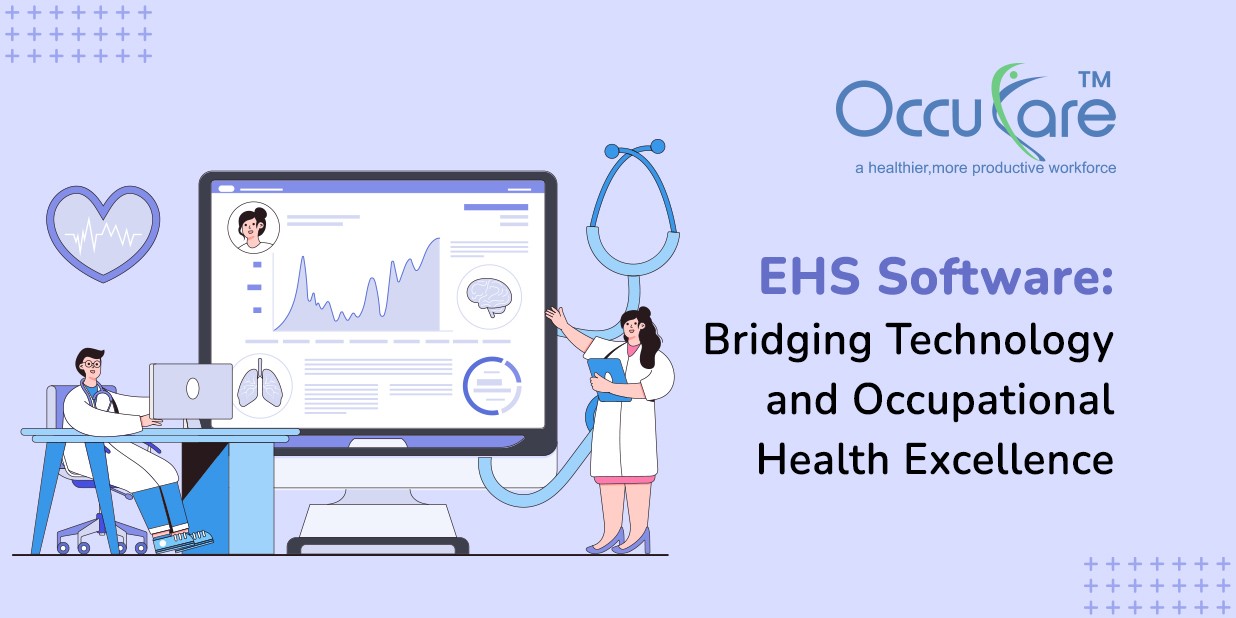
We will examine in this blog post how EHS software connects technology and excellence in occupational health, how it improves safety management, and the significant benefits it offers to businesses.
Need for EHS Software: An Evolving Landscape:
In recent years, occupational health and safety have grown more vital. Workplace safety has become more difficult as a result of the growth in industrial activity, the introduction of new information technology, and the growing focus on employee well-being. Organizations have to conform to an array of rules, including the Job-related Safety and Health Administration, and numerous other global safety guidelines. Today’s fast-paced, data-driven environment makes the old ways of handling EHS responsibilities—manual reporting, paper-based paperwork, and divided communication—inadequate.
Way EHS Software Promotes Excellence in Occupational Health:-
1. Data Management in One Place:
The centralization of all safety-related data is one of the main purposes of EHS System. Records of staff safety training, regulatory compliance paperwork, audits, and incident reports are all included in this. Businesses may get a thorough picture of their health and safety performance in real time by storing and managing this data on a single platform.
Centralization guarantees that all stakeholders have access to the most up-to-date and correct information while lowering the possibility of errors related to manual data entry. Having everything in one location improves decision-making and guarantees accountability, whether a safety manager is examining accident data or a compliance officer monitoring regulatory compliance.
2. Risk Assessment and Hazard Identification:
Being proactive in detecting workplace hazards is essential to averting mishaps and guaranteeing worker safety. Tools for conducting thorough risk assessments and hazard analyses are provided by OccuCare Health and Safety Software. Organizations can use these tools to record possible risks, review risks slowly, and put control measures in place to lessen them.
Standardized and automated risk evaluations enable more efficient mitigation strategies and speedier identification of high-risk regions. Businesses may make data-driven decisions on where to concentrate their resources for the greatest impact on employee health and safety by using Safety software, which tracks patterns in safety data to assist spot reoccurring issues.
3. Reporting and Investigating Incidents:
The ability to report, analyze, and look into workplace situations, events, and near misses is an essential part of any EHS program. Incident management modules allow personnel to quickly and easily report incidents in real time, such as accidents, equipment failures, or hazardous working conditions.
The program facilitates the investigative process once an incident is reported, enabling safety teams to record findings, underlying causes, and remedial measures.
Management of Regulatory Compliance Any firm has a crucial obligation to adhere to government safety requirements and industry laws. By automating compliance management chores, EHS software assists firms in staying abreast of ever evolving requirements. To guarantee conformity to national and international safety standards, this entails keeping track of regulatory submission deadlines, tracking compliance status, and producing reports.
Benefits of EHS Software:-
Improved Security and Decreased Hazard EHS software’s capacity to increase worker safety and lower accident risk is its main advantage. Organizations can take a proactive stance in reducing diseases and injuries by optimizing procedures including hazard identification, incident reporting, and compliance management.
Adherence to Regulations Costly fines, legal problems, and reputational harm can arise from breaking safety standards. It reduces the risk of non-compliance and the fines that come with it by helping companies maintain compliance with all applicable standards.
Efficiency in Organizations The efficiency of operations improves by automating EHS processes like reporting, incident management, and risk assessments. This software frees up safety teams to concentrate on more strategic efforts to enhance workplace safety by lessening their administrative workload.
Organizations may better manage resources and maximize their safety programs by tracking KPIs and forecasting safety trends. Employee Contentment and Engagement Higher job satisfaction is a result of giving workers the resources and instruction they need to operate safely.
Conclusion:
Occupational health and safety are essential elements of total organizational performance in today’s corporate environment. Because it gives companies the means to simplify safety management, guarantee regulatory compliance, and promote a continuous improvement culture, it plays a critical role in bridging the gap between technology and occupational health excellence. Organizations can improve employee well-being, lower risks, and improve safety performance by embracing technology—all of which support long-term commercial success.
EHS software will continue to be essential to efficient occupational health management as companies change and adjust to new difficulties. Purchasing the appropriate software is not only a compliance issue for businesses looking to keep ahead of the curve; it is also a crucial tactic for protecting workers, protecting the environment, and driving operational excellence.