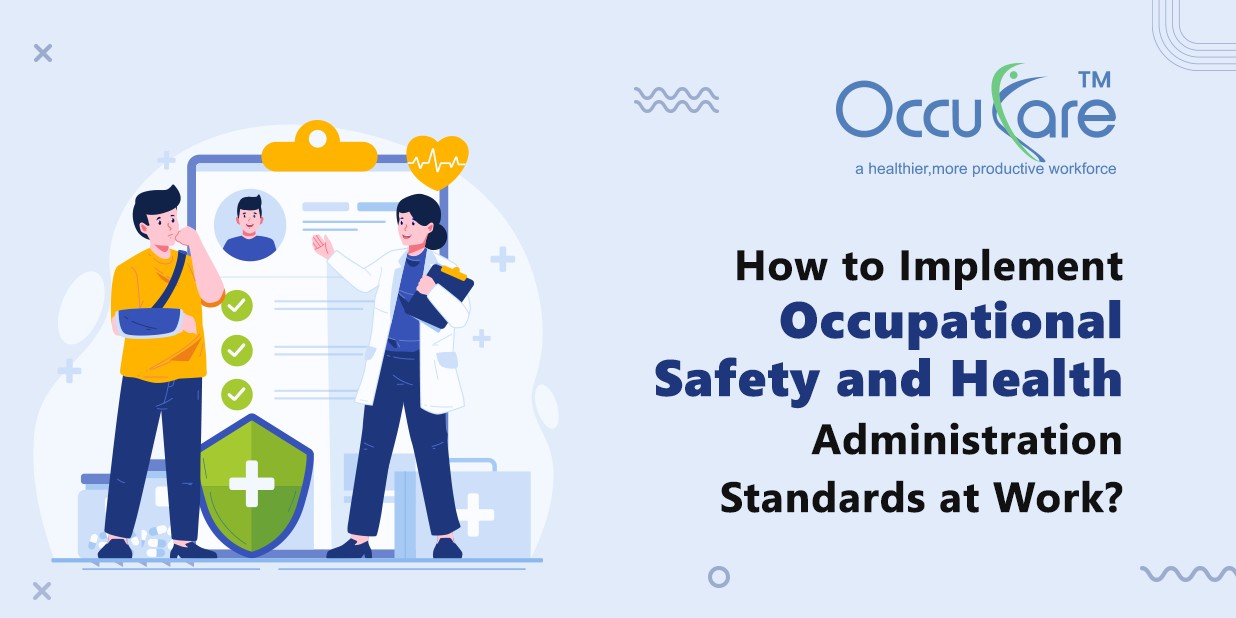
Ensuring workplace safety is not only a legal requirement but also a critical business priority and ethical responsibility. The Occupational Safety and Health Administration (OSHA) was established to protect employees by setting and enforcing standards, providing training, outreach, and guidance to create safe and healthy work environments.
For many organizations, translating OSHA regulations into practical, day-to-day workplace practices can be a challenging task. Successfully implementing OSHA standards goes beyond simple compliance—it requires proactive hazard management, continuous improvement, active employee engagement, and strong leadership commitment. Leveraging modern OHS Software can streamline this process by helping businesses track safety metrics, manage risks, and maintain compliance efficiently.
This article provides a comprehensive, step-by-step guide for businesses seeking to implement OSHA standards effectively, helping you foster a safer workplace while maintaining full compliance with these standards.
Recognizing OSHA and Its Objectives:
OSHA was established by the Occupational Safety and Health Act of 1970 with the goal of preventing illnesses, injuries, and deaths related to the workplace. Most companies and workers in the private sector are subject to OSHA regulations, as are certain employees in the public sector, contingent on state policies.
These guidelines address several different types of workplace dangers, such as:
- Physical risks, such as machinery, falls, and noise
- Chemical risks (flammable materials, poisonous compounds)
- Bloodborne infections and other biological dangers
- Ergonomic hazards, such as repeated movements and poorly designed workstations
- Hazards from electrical and fire
Employers must be aware of which OSHA regulations are relevant to their sector and business operations before implementation can start.
Secure Leadership Commitment as the First Step:
Effective OSHA implementation begins at the highest level. Workplace safety programs frequently fail when there is no clear and sincere commitment from the leadership.
Step 1: Importance of Leadership
When Occupational Health and Safety System is given top priority by management, workers are more likely to take it seriously.
Realistic Steps for Leadership:
- Sign a documented safety and health policy with senior management’s signature.
- Set aside money for safety gear, instruction, and examinations.
- Managers and supervisors should be given explicit safety duties.
- Set a good example by always adhering to safety procedures.
Strong leadership communicates that worker safety will never be sacrificed for production.
Step 2: Determine Which OSHA Standards Apply
OSHA’s rules are categorized into standards for general industry, construction, maritime, and agriculture. Not all workplaces are subject to all standards.
- How to Determine Applicable Standards
- Find out what industry you are in.
- Examine the applicable industry-specific rules or OSHA’s General Industry rules (29 CFR 1910).
- Consult industry associations, compliance aid resources, or OSHA literature.
- If necessary, get expert advice from safety professionals.
Step 3: Perform an Extensive Hazard Analysis
The cornerstone of OSHA implementation is a danger assessment. Prior to controlling prospective and current hazards, employers must identify them.
Hazard Assessment Types:
- Workplace inspections: Take a tour of the building to look at the equipment, tasks, and surroundings.
- Job hazard analysis (JHA): Divide each task into phases and pinpoint risks at each one.
- Review of incidents: Examine previous accidents, near-misses, and workers’ compensation claims.
- Employee input: Employees are frequently the ones who are most aware of the risks.
Step 4: Create and Put into Practice Safety Policies and Procedures
Employers must create documented policies and procedures to control dangers after they are discovered.
- Important OSHA-Related Regulations
- Program for Hazard Communication
- Procedures for Lockout/Tagout
- Plans for Emergency Response and Fire Prevention
- Program for Personal Protective Equipment
Step 5: Keep Correct OSHA Documents
Many employers are required by law to maintain records, which is also a useful safety management tool.
Important OSHA Documents:
- OSHA Incident Report Form 301
- OSHA Annual Summary Form 300A
Employers benefit from records:
- Determine patterns and recurring risks.
- Evaluate the success of safety initiatives.
- Throughout inspections, exhibit compliance.
Make sure all records are current, correct, and kept in accordance with OSHA regulations.
Step 6: Get Ready for OSHA Exams
Complaints, mishaps, recommendations, or scheduled inspections can all result in OSHA inspections.
Tips for Inspection Readiness:
- Choose a qualified coordinator for OSHA inspections.
- Keep the necessary documentation close at hand.
- Keep work areas tidy, well-organized, and secure.
Professionalism and collaboration are very important during an examination. Immediate hazard correction can lower fines and show good faith.
Step 7: Quickly Address Risks and Correct Violations
If OSHA finds breaches, employers must take immediate action.
- Reacting to Citations from OSHA
- Carefully go over the citation.
- Adjust risks by the due date.
- Keep track of remedial measures.
- Add citations where necessary.
If applicable, include contest citations within the allotted time.
Step 8: Constantly Assess and Enhance the Safety Program
The process of implementing OSHA is continuous rather than a one-time event.
- Strategies for Constant Improvement
- Do routine safety audits.
- Examine annual injury and illness data.
- Update policies whenever operations or rules change.
- Obtain employee opinions on safety-related projects.
- Compare to industry best practices.
New dangers, technological advancements, and personnel shifts are all accommodated by a dynamic safety program.
Advantages of Successfully Applying OSHA Standards:
Even while compliance is required, there are several advantages beyond avoiding penalties.
Advantages for the Organization:
- Decreased occupational diseases and injuries
- Reduced expenses for workers’ compensation
- Increased retention and morale among employees
- Increased output and improved quality of work
- Increased trust and reputation of the business
- Instead of being a burden, a safe workplace is a competitive advantage.
Typical Obstacles and How to Get Past Them: Insufficient Knowledge
Conclusion:
Successfully implementing OSHA standards goes beyond compliance—it builds a safer, more productive workplace. Utilizing a robust OHS System helps businesses manage hazards, track safety performance, and maintain regulatory compliance efficiently. Coupled with professional Occupational Health Services, organizations can ensure employees receive the necessary support and guidance to stay healthy and safe.
A strong safety program reduces risks, lowers costs, and enhances employee morale and trust in your company. Contact us for a free demo to see how our OHS solutions can transform your workplace safety management.