Organizations including transportation, public transit, mining, and manufacturing rely significantly on car fleets to maintain productive operations in the frantic environment of nowadays. However, unavailability and catastrophes constitute some of the biggest problems motorists confront. These problems not only affect safety but also result in lost production, monetary losses, and reputational hazards. Fleet monitoring software helps organizations keep track of vehicles and operations while supporting better visibility into fleet performance.
Here’s where the game is changing thanks to AI Driven Vehicle Control Software is assisting businesses in lowering accident rates, minimizing downtime, and increasing operational efficiency by fusing cutting-edge intelligent technology with real-time monitoring. With fleet safety management software, businesses can further strengthen vehicle safety and improve the overall management of their fleet.
Increasing Demand for Intelligent Car Safety:
Conventional car safety precautions like daily surveillance, recurring assessments, and education for drivers are still crucial. They are constrained, though. Unexpected malfunctions or avoidable catastrophes are frequently caused by error by humans, slow reactions, and the absence of forecasting knowledge.
Human negligence is a contributing factor in more than 90% of traffic accidents, according to international transport safety assessments. Unanticipated outages are made worse by breakdowns, postponed upkeep, and ineffective organizing of routes. Even a brief outage might result in large losses in dangerous industries like excavation or trucking.
Businesses are adopting powered by AI vehicle management applications in response to the pressing requirement of proactive measures to ensure the safety of drivers, vehicles, and operations.
AI Automobile Management Technology: What Is It?
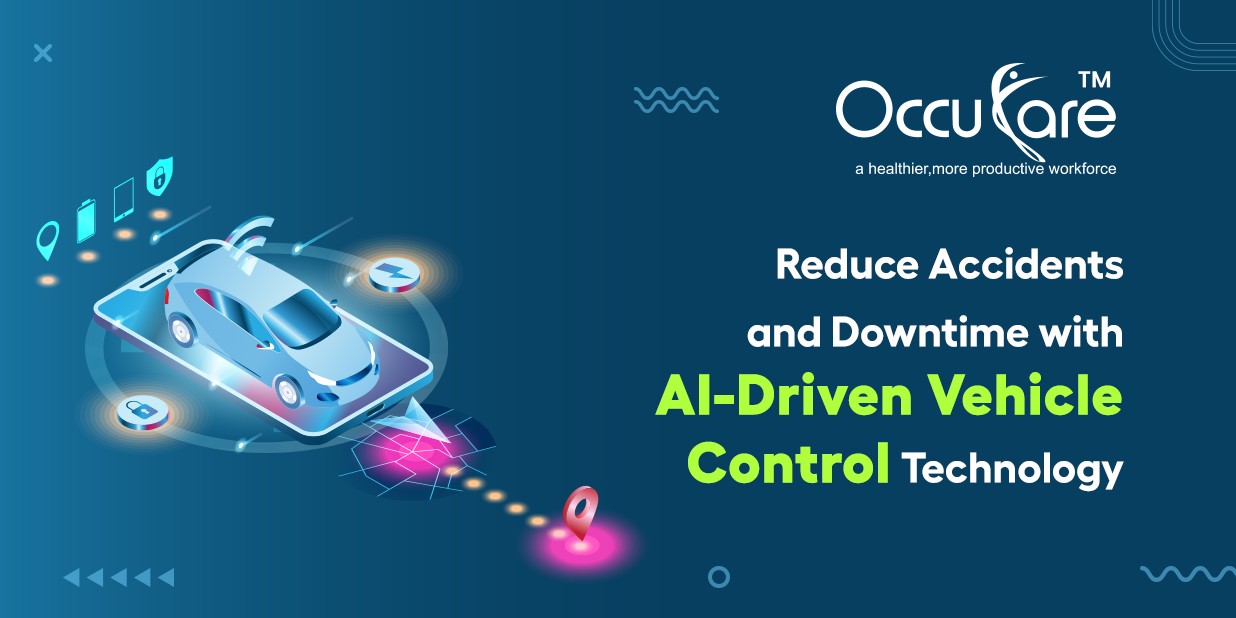
A cutting-edge technology called AI Vehicle Control combines machine learning with hardware and software elements in cars to track, evaluate, and manage processes instantaneously.
Typical components of an AI vehicle management system include:
Cameras and sensors to collect operating and environmental information using techniques for artificial intelligence that examine trends in automobile efficiency, roadway circumstances, and behavior of drivers.
Computerized systems that make decisions that, without human assistance, can issue warnings to drivers, modify how a vehicle operates, or possibly take action to fix the problem.
Integrating these components enables AI Driven Vehicle Control Software to identify possible hazards when they become serious and act quickly to stop collisions or lessen their impact.
How AI-Powered Car Management Lowers Accidents Rates?
The potential of AI Automobile Management to significantly reduce incidents is among its most significant advantages. This is how it operates:
1. Instantaneous Operator Support:
AI automobile monitoring systems are able to keep an eye on driver behavior, identify indicators of inattention or drowsiness, and send out alerts. For instance, the safety system can instantly alert the driver or initiate action by modifying acceleration or handling if it notices channel drifting, which are harsh braking, or excessive speeding.
2. Hazards Prediction Identification:
AI Driven Automobile Management Technology can anticipate possible risks, with the value slick roads, rush hour traffic, or equipment breakdowns, before they happen by using previous data and AI techniques. Instead of responding following something happens, this enables vehicles to take preventative action.
3. Avoiding Collisions:
AI Automobile Management can recognize nearby objects, people on foot, or other vehicles using 360-degree detectors, radar systems and machine vision. To prevent collisions, the machine can automatically shift lanes, apply brakes, and modify acceleration.
4. Increased Exposure:
One of the main causes of disasters is poor visibility. Powered by AI photographic equipment, operators can see the road and surroundings more clearly in darkness or mist.
How AI-Powered Vehicle Management Reduces Downtime?
AI Vehicle Control technologies are essential for minimizing unscheduled downtime, because it can be as expensive as accidents, even though safety is the top priority.
1. Preventive upkeep:
The AI Powered Vehicle Control System regularly monitors consumption of gasoline, tire condition, engine efficiency, and other important factors. It can plan repairs whenever an incident happens by identifying early wear and tear indicators.
2. Better Travel Scheduling:
Instantaneous artificial intelligence systems are able to determine the most effective directions, eliminating hazardous locations, traffic, and blockages. In addition to saving time, this lessens the needless stress on cars.
3. Troubleshooting via Online:
Managers of fleets can use an AI Automobile Management System interface to remotely check each vehicle’s condition. This reduces the amount of time a car is off the road by enabling quicker investigation and repair.
4. Emergency Response Automation:
AI Automobile Management can reduce prolonged outages by automatically alerting emergency agencies, sharing location information, and facilitating a speedy recovery in the aftermath of an incident.
AI Automobile Control’s Main Advantages for Organizations:
There are actually several benefits of using AI-driven automobile management software.
- Decreased Incident Charges: Coverage rates, maintenance costs, or responsibility fees all go down when there are fewer accidents.
- Increased Efficiency: Programs stay on budget when there are fewer interruptions.
- Increased Driving Protection: Understanding that the system is keeping an eye on them and supporting them makes drivers feel safer.
- Data-Driven Decision Making: Managers may spot trends and improve fleet performance with the use of comprehensive analytics through AI Transportation Control System reports.
- Laws & Enforcement: AI can guarantee that safety rules are followed, lowering the possibility of penalties and legal problems.
- Programs in the Real-Life Setting in Various Industries: Logistics and Supply Chain AI Transportation Control-equipped shipping containers can keep to regular schedules, prevent delays, and lower the danger of accidents.
- Engineering & Development: In real time hazard alerts help heavy machinery operators avoid mishaps in dangerous situations.
- Urban Transportation: AI-driven vehicle management software can guarantee both operational dependability and safety for travelers on buses and trains.
- Rescue Assistance: AI route optimization can help fire vehicles and ambulances get to their destinations more quickly while lowering danger.
AI Vehicle Control Technology’s Future:
AI Automobile management innovation has a bright future. The upcoming version of based on artificial intelligence vehicle software for controlling vehicles will provide even faster reaction times and higher predictive accuracy by combining 5G connection, the World of Information (IoT), and fully autonomous driving abilities.
We can anticipate characteristics such as:
- Completely automatic collision avoidance in intricate traffic scenarios.
- AI-powered communication between automobiles to stop collisions between many vehicles.
- Sophisticated environmental monitoring for severe weather and off-road conditions.
To put it simply, future vehicle control will not only help drivers but may even function without them, greatly lowering human error.
AI Automobile Control is a game-changing solution in an environment where effectiveness, quickness, and safety are unavoidable. Modern machine learning and strong vehicle control systems can be combined by companies to reduce expensive downtime and prevent accidents.
Investment in an AI Transportation Management System is now an important move forward towards a healthier, smarter, and more lucrative future, regardless of how many vehicles you manage or how many hundreds you operate across multiple areas.
Conclusion:
Adopting AI-driven vehicle control technology is no longer a futuristic concept—it’s a strategic business move. By leveraging intelligent systems to monitor, predict, and prevent risky driving behaviors, companies can significantly reduce workplace accidents, operational downtime, and liability costs. This translates directly into improved employee safety, increased equipment lifespan, and stronger compliance with regulatory standards. A smart fleet management system can further support these goals by providing intelligent monitoring and better control over fleet operations.
At OccuCare, we integrate such cutting-edge solutions into our comprehensive Health and Safety software, helping businesses not only protect their workforce but also drive measurable ROI through smarter, safer operations. Investing in AI today means fewer disruptions and a more resilient tomorrow.