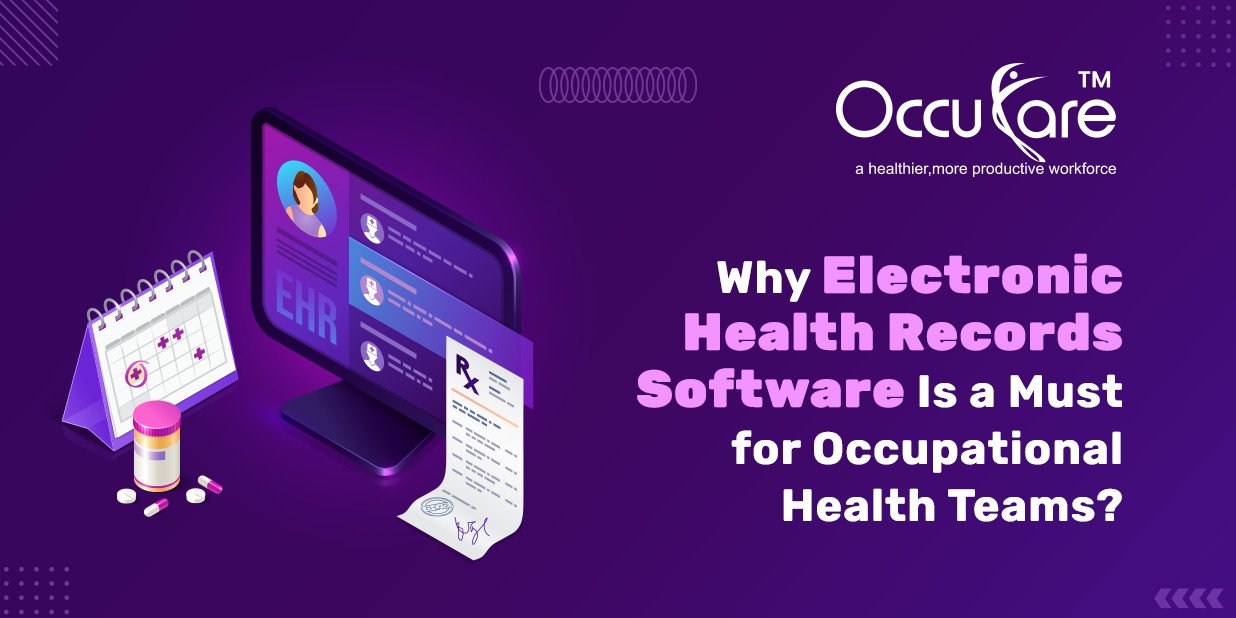
Occupational health teams are responsible for managing sensitive employee medical data, compliance documentation, exposure records, and wellness outcomes. Relying on manual processes or disconnected tools often leads to inefficiencies, errors, and compliance risks. This is why Electronic Health Records Software has become an essential solution for modern occupational health and safety operations.
In fast-paced work environments, delayed access to accurate health information can impact employee safety and decision-making. Digital systems help eliminate duplication, improve record accuracy, and support consistent health monitoring. This creates a more reliable foundation for occupational health programs.
For organizations like OccuCare, adopting a secure and structured digital health platform is a strategic move that improves workforce safety, enhances productivity, and ensures regulatory compliance. It also enables organizations to scale health services efficiently as their workforce grows. A well-implemented system supports long-term health planning rather than reactive care. This proactive approach strengthens both employee well-being and organizational resilience.
Centralized Access to Employee Health Information:-
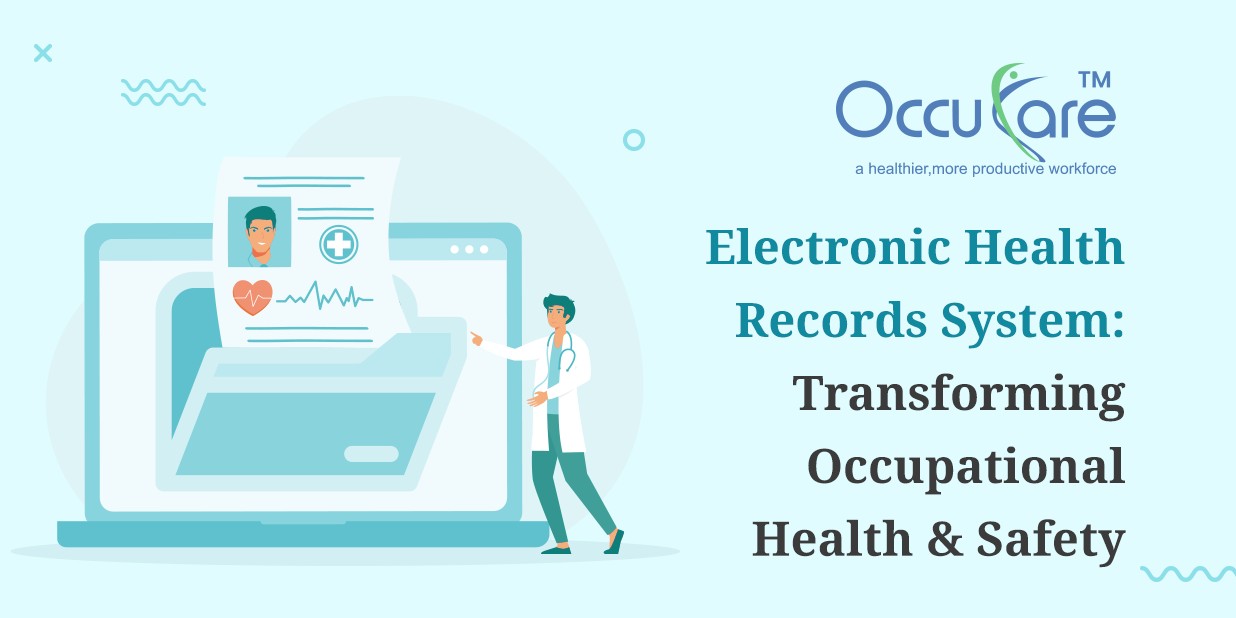
Centralized data management is a core benefit of digital transformation in occupational health. Secure access to Digital Health Records allows clinicians to quickly review employee medical histories, fitness assessments, and health surveillance data from a single system. This eliminates time spent searching through physical files or multiple platforms. Consistent access to updated records improves coordination between healthcare professionals. It also ensures that critical health information is always available when needed.
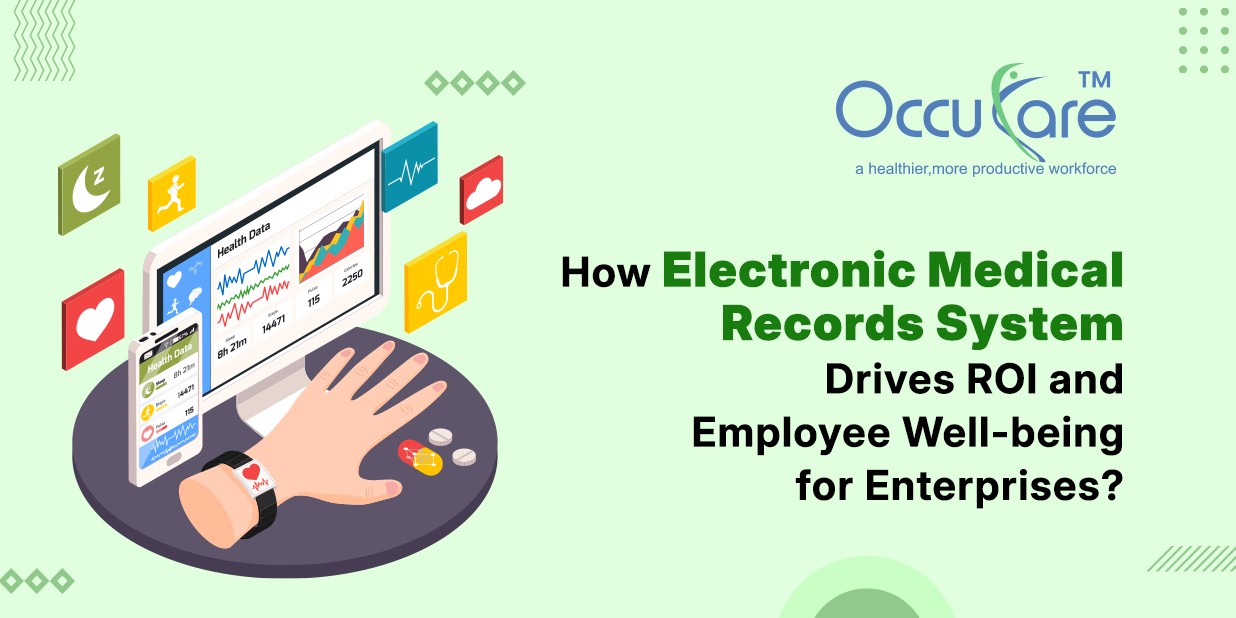
An advanced Electronic Medical Records System provides real-time insights into employee health trends, helping organizations identify workplace risks early. This centralized approach improves data accuracy, continuity, and accessibility across multiple departments and locations. Standardized records reduce inconsistencies and errors caused by manual entry. As a result, occupational health teams can respond more effectively to emerging health concerns.
Regulatory Compliance and Audit Readiness:
Maintaining compliance with occupational health regulations is a critical responsibility. A modern EMR System supports structured documentation, audit trails, and automated reporting, reducing the risk of regulatory gaps. Clear documentation ensures that health records meet legal and industry standards. Automated processes also reduce the administrative burden associated with compliance tasks. This helps organizations stay prepared for inspections without last-minute efforts.
By implementing Electronic Health Records Software, occupational health teams can standardize workflows and maintain accurate records aligned with legal requirements. This minimizes compliance risks while ensuring readiness for audits and inspections. Consistent recordkeeping improves transparency across the organization. It also supports accountability at both clinical and administrative levels.
Improved Clinical Decision-Making:
Effective clinical decisions rely on timely access to complete health data. A robust Electronic Medical Records System enables occupational health physicians to review diagnostic details, exposure history, and treatment outcomes in one place. Having a comprehensive view of employee health supports more accurate assessments. It also reduces the likelihood of missed information during evaluations. Clinicians can make informed decisions with greater confidence.
With reliable access to Digital Health Records, clinicians can detect patterns related to work-related illnesses and injuries, supporting early intervention and preventive care strategies that improve employee health outcomes. Early identification of trends helps reduce long-term health risks. This approach supports safer workplaces and lowers absenteeism over time.
Streamlined Operations and Productivity:
Administrative tasks often reduce the time available for employee care. OccuCare Software streamlines daily operations by automating appointment scheduling, medical surveillance tracking, and documentation. Automation reduces repetitive manual work and minimizes human error. Occupational health staff can manage higher workloads without compromising service quality. This leads to smoother day-to-day operations.
When supported by efficient EMR Software, occupational health teams can reduce paperwork, eliminate manual errors, and focus on preventive health initiatives. This results in faster processes, improved efficiency, and lower operational costs. Better resource utilization allows teams to prioritize employee engagement. Overall productivity improves across health services.
Seamless Integration with Safety Systems
Strong collaboration between medical and safety teams is essential for effective occupational health management. A Cloud-Based EMR System enables seamless integration with occupational health and safety platforms, allowing organizations to monitor exposure to incidents, medical evaluations, and workplace risks within a unified environment. This shared visibility enhances coordination between departments. Safety incidents can be addressed with accurate medical context. It also supports timely corrective actions.
This integration strengthens communication, enhances risk management, and supports proactive safety strategies across the organization. Unified data improves incident analysis and prevention planning. Organizations benefit from a more cohesive approach to employee health and safety management.
Conclusion:
Managing employee health in a complex work environment requires more than manual records and fragmented systems. A structured digital approach enables occupational health teams to work with greater accuracy, consistency, and confidence while supporting safer workplaces and better health outcomes.
For organizations working with OccuCare, adopting the right health record solution means gaining clearer visibility into employee health, reducing administrative burden, and strengthening compliance processes. Contact today for a free demo and see how our occupational health solutions can simplify health data management and support smarter decision-making across your organization.