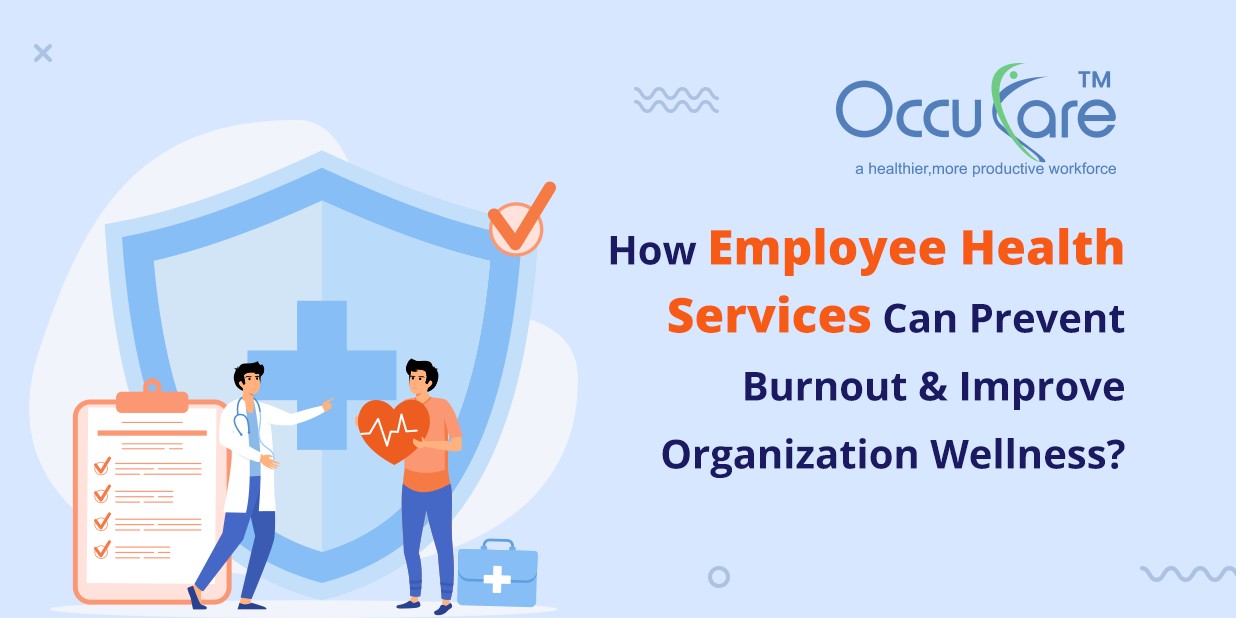
Pressure and obligations at work have turned the satisfaction of staff from an indulgence to a need. Prioritizing health and wellness helps a business retain employees, increase productivity, and foster an enjoyable place to work. Employee Health Services (EHS) is one of the many alternatives available to support staff health, reduce burnout, and enhance organizational well-being.
Recognizing Workplace Fatigue:
Burning is a feeling of persistent fatigue, both mental and physical, that is often accompanied by decreased productivity, skepticism, and estrangement from the workplace. It is a sophisticated behavioral response to ongoing stress, usually brought on by stressful circumstances, a lack of assistance, or an inadequate balance between work and life.
Typical signs of burnout included:
- Chronic exhaustion
- Reduced drive
- Sensations of inefficiency
- A rise in absenteeism
- Mood fluctuations and irritability
Burnout has an impact on team morale, corporate culture, and the bottom line of the company, in addition to individual personnel.
Employee Wellness Software: Who Are They?
Organizations offer a wide range of initiatives and resources known as employee health services to protect and advance the psychological, emotional, and physical wellness of their employees. The services in question could consist of:
- Exams for workplace safety and health
- Access to mental health treatment and therapy
- Ergonomic evaluations
- Programs for wellness and fitness
- Workshops on stress management
- Preventive care and vaccinations
- Evaluations and screenings of health risks
Usually, the HR division or a special Wellness and Health Department oversees these services, perhaps in collaboration with outside healthcare providers.
How Medical Facilities for Employees Address Burnout?
1. Preventive care and early detection:
Annual medical exams, evaluations, and risk evaluations are frequently part of the Employee Health Software. These facilities enable early identification of chronic illnesses that can be made worse by anxiety and unhealthy employment behaviors, such as obesity, type 2 diabetes, and high blood pressure. In addition to lowering prospective medical expenses, early intervention makes workers feel valued.
2. Assistance for psychological wellness:
More and more, contemporary Employee Health Services programs include behavioral healthcare resources like:
- Resources for psychotherapy
- Organizations for Worker Support (EAPs)
- Seminars on handling stressful situations
- Availability of mental health professionals
Corporations create an atmosphere where workers feel comfortable speaking up and asking for assistance by neutralizing psychological wellness and offering private support.
3. Initiatives for Work-Life Balance:
HR departments can establish policies that support improved work-life balance with the help of health services. These could consist of:
- Adjustable working hours
- Opportunities for remote work
- Required vacation days
- Mental health days or wellness leaves
One of the main causes of burnout is the pressure to be available all the time, which such programs help staff recharge.
4. Safety at Work and Ergonomics:
Stress and exhaustion can be considerably increased by physical discomfort and injury brought on by inadequate ergonomics. Employee Wellness Software can assist by:
- Making environmental evaluations
- Making suggestions for workstation enhancements
- Setting up sessions for postural awareness
EHS guarantees adherence to safety procedures, offers preventative education, and expedites rehabilitation for manufacturing or field-based personnel, guaranteeing that they continue to work in peak form.
5. Exercises and Organizations for Wellbeing:
Exciting health initiatives may revitalize staff members, from classes in yoga and exercise competitions to health bulletins and nutritional guidance. These initiatives foster a feeling of belonging and feeling like you belong, in addition to lowering tension if they are a part of a regular health culture.
Wholesome cooking matches, awareness classes, and step-count disagreements are examples of incentive health initiatives that boost enthusiasm and promote involvement.
Advantages of Worker Medical Services for Organizations:-
In addition to being the moral thing to do, putting effort into staff health is a wise business move. Here are several advantages for organizations:
1. Enhanced Efficiency:
Workers who are both mentally and physically capable are more likely to concentrate, make fewer mistakes, and finish jobs faster. Quantifiable gains in efficiency can result from an active OHS strategy.
2. Improved Retention and Engagement of Employees:
Worker trust and devotion are increased when they believe that their welfare is a top focus. Employee satisfaction and turnover are decreased by a supporting wellness infrastructure, both of which strengthen company culture.
3. Health Care Cost Reductions:
Continued medical expenses are significantly decreased by preventative care, along with early treatments. This results in immediate cost reductions for self-insured enterprises.
4. Employer Image that is Positive:
The best talent is drawn to organizations that promote wellness among workers. Employer marketing and hiring strategies may benefit greatly from a robust EHS program. By providing teleconferences, progress monitoring tools, and customized programs, electronic health platforms and applications can also improve participation.
Conclusion:-
While organizations adjust to the following epidemic surroundings, it is more crucial than ever to prioritize the health of their employees. Insomnia is not only a personal issue; it is a structural one that requires an intentional response.
By implementing comprehensive human medical policies, businesses may reduce employee tiredness, reduce medical costs, and cultivate an even more engaged, committed, and productive staff. Even if it needs time to establish a sense of health, every step in taking the right path eventually helps the business and its employees.