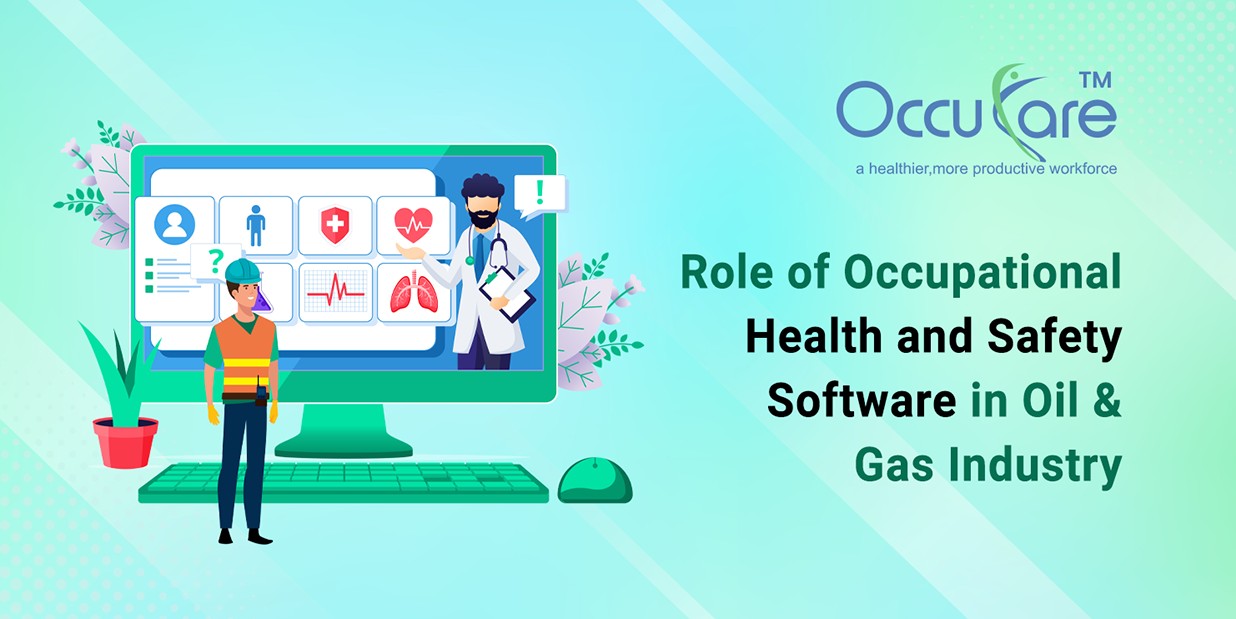
The petroleum and natural gas sector, which is well-known for playing a crucial part in the production of energy worldwide, has inherent difficulties with risk control and safety. Because activities are dangerous and complicated, Operational safety and health (OHS) needs a strong foundation. The use of cutting-edge technology, especially Occupational Health and Safety software, stands out as a game-changer in this dynamic context.
To understand the vital links that support a culture of protection, compliance with regulations, risk reduction, and continuous improvement. This paper examines the mutually beneficial relationship in the oil and gas sector. As we navigate this industry’s complex ecosystem. It becomes clear that Othe HS system serves as a proactive defence against potential hazards in addition to streamlining operations.
In the oil and gas sector, OHS software is essential because it helps companies manage and improve safety procedures and adhere to legal requirements. And reduce hazards related to intricate and dangerous activities. The following are some significant links between occupational health and safety technology and the energy sector:
Adherence to Regulations:
Safety standards are very strict for the petroleum and gas sector. It gives businesses the means to track, analyse, and report on safety procedures, assisting them in adhering to national and international requirements.
Handling Incidents:
Operations involving oil and gas have inherent dangers, and mishaps can happen. By making reporting accidents, tracking, and analysis easier, OccuCare software helps businesses spot trends, put remedial measures in place, and stop similar incidents from happening in the future.
Evaluation of Risk:
Identifying, evaluating, and managing hazards related to certain operations, processes, or equipment are made easier with the use of OHS software. This aids businesses in setting safety priorities and distributing resources wisely to reduce potential risks.
Management of Training and Certification:
The petroleum and natural gas sector needs workers with advanced skills. By managing employee training initiatives, occupational software guarantees that staff members have the necessary training and certifications to carry out their jobs safely.
Monitoring in real time:
The integration of sensors and IoT (or Internet of Things) devices into software allows for real-time monitoring of worker health, equipment status, and working conditions. This guarantees an anticipatory approach to safety and enables quick reaction to possible threats.
Emergency Reaction Scheduling:
Comprehensive plans for responding to emergencies can be created and maintained. To lessen the effects of unanticipated incidents, this involves communication plans, evacuation procedures, and coordinating with emergency services.
Using Data Analytics to Promote Continuous Improvement:
Data about near-misses, mishaps, and safety performance are gathered and analyzed by the programmer. Organizations can pinpoint areas for improvement, put preventative measures in place, and continually improve their safety programs thanks to this data-driven approach.
Chain of Supply Safety:
By guaranteeing that safety requirements are upheld not just within the company but also amongst freelancers and providers. And all of the players who participate in the petroleum and natural gas operations, Occupational Health and Safety software expands its reach across the whole supply chain.
Record-keeping and Reporting:
Appropriate documentation is essential for regulatory and legal requirements. By automating the documentation process, Occupational Health and Safety systems facilitate the creation of precise reports and the upkeep of an extensive log of safety-related activities.
Audits and Inspections:
Simplifying Assurance: It is essential to conduct routine audits and inspections to spot possible risks and make sure safety precautions are taken.
Data-Driven Greatness:
Analytical Tools for Ongoing Enhancement: Data is crucial in the pursuit of operational excellence. Organizations are able to pinpoint areas for improvement. Put preventative measures in place and continually improve their safety programs thanks to this data-driven approach.
Check Out – Occupational Health and Safety Software in Oil & Gas Industry
It is clear from delving into the complex network of safety and health software utilized by the energy industry that technology is a trigger for change rather than merely a tool. It cultivates an environment in which safety is viewed as an ongoing pursuit of excellence rather than as a checkbox. OHS software becomes the protector in the petroleum and gas industry. Where every safety measure counts and every vital link is strengthened for a more secure and resilient future.
It becomes clear as we dig deeper into the complex network of safety and health software used in the energy industry that this equipment is more than simply a tool; it’s a force for transformation. It creates a culture in which achieving excellence in safety is a constant journey rather than a checkbox. Every safety measure counts in the petroleum and gas business. And Occupational Health and Safety software stands out as the protector. Making sure that every vital link is strengthened for a more secure and robust future.